

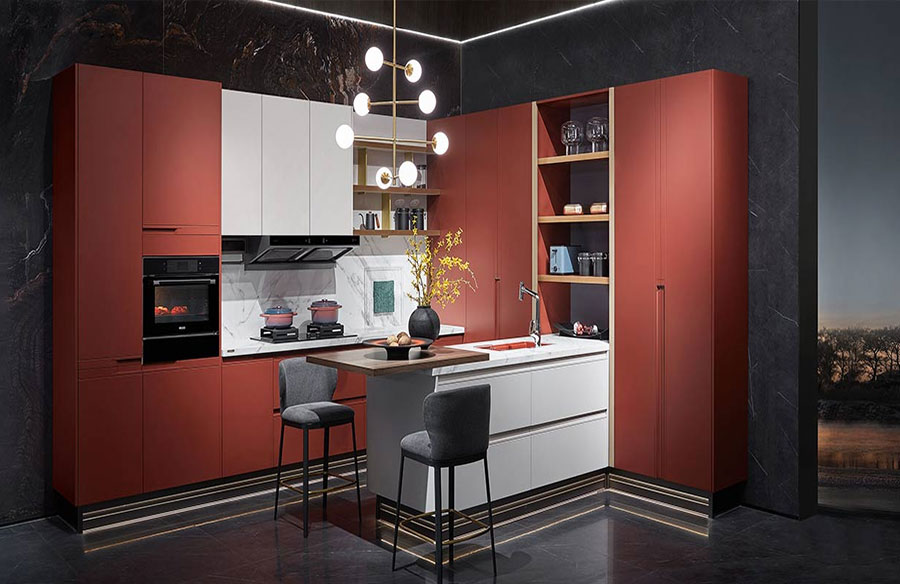
The importance of kitchen design
The kitchen is the pulsing heart of any home. It’s where meals are prepared and memories are made. It’s where form marries function for what may be the most critical space when you’re renovating your home or building new. A great kitchen will not only enhance the overall beauty of your home, it will make it more enjoyable to cook, entertain and live in.
However, in the fast-paced present, we are more likely to use the kitchen as a multitask space for cooking, gathering, working remotely, learning and so on. Because of this, designing a kitchen for this new lifestyle is of the utmost importance for homeowners and designers.
It’s this balance that is the holy grail of kitchen design, and requires as much expertise in practical as in aesthetic matters. For when we finally get it right, we will have a kitchen that not only has a good outlook, but functions well and makes us feel good there, too.
Understanding functionality in kitchen design
Functionality is the essence of a good kitchen design. It refers to the way in which the kitchen layout is shaped, the workflow it facilitates, and the way it stores equipment. A proper functioning kitchen should include the following:
- Workflow Triangle: The workflow triangle is the relationship between the three primary kitchen workspaces: the sink, refrigerator and stove. The triangle should be constructed in a manner whereby the movement between these three workspaces is kept to a minimum, and the cook can move more smoothly and effectively between them during meal prep.
- Storage: Storage space is important in the kitchen and shouldn’t be neglected. It should be plentiful and ideally well organised with good-sized and really practical cabinets, drawers and pantries, built to the homeowner’s exact requirements so that everything is to hand and there is no wasted space at all.
- Countertop Space: Sufficient countertop space for meal prepping, appliance placement, and eating areas is key. The countertops should be located in a way that promotes a good workflow and caters to the way the homeowner cooks.
- Lighting: A good place to start, but light can be one of the most overlooked aspects of design. Make sure you have task lighting over your work areas, and light fixtures that set the mood and provide ambience.
- Appliance Integration: Selecting the right appliances, and fitting them to the kitchen, makes a huge difference to function. Appliances should be chosen to fit the cooking patterns of the homeowner and his or her family, the available space and the ease of use.
These functional elements are important because, by focusing on them, homeowners can create a kitchen that works well and is less likely to frustrate them. A beautiful kitchen is not only pleasing to look at, but it also facilitates good cooking.
Incorporating style in kitchen design
Style should never be ignored. A kitchen should function well, yes, but it should also be beautiful. Kitchen design should be an expression of the homeowner’s personal taste and style, and this can be achieved by taking the following into consideration:
- Cabinetry: These are the workhorses of kitchen design. You can take your pick of purely functional cabinetry styles, ranging from sleek and modern to classic and traditional.
- Countertops: Aside from being the place where you prepare and eat your food, countertops can also be a significant design element in the kitchen. Granite, quartz, or marble can be luxurious and classic, while butcher block or concrete can lend a rustic or industrial edge.
- Backsplash: This unobtrusive zone may not be a kitchen’s largest component by any means, but a unique, eye-catching tile design or even an elegant glass or stone surface can be the perfect finishing touch to create a beautifully cohesive overall style.
- Flooring: From flooring to cabinets to appliances and decorations, there are various ways that homeowners can personalise their space. For example, hardwood floors can make kitchens feel cozy and inviting, while tile or stone floors can make them feel more modern and contemporary.
- Light Fixtures: Lighting fixtures are functional as well as stylistic elements that can complement the overall design of the kitchen. Pendant lights, chandeliers, or recessed lighting can add an element of elegance and personality to the kitchen.
- Accessories and Décor: Hardware, window treatments and decorative accents are the finishing touches for personalising the kitchen and expressing the homeowner’s individual style.
By judiciously mixing and matching these stylistic elements, homeowners can fashion a kitchen that serves both as a physical space and as an aesthetic statement of personal taste.
Finding the balance between functionality and style
Designing a kitchen that works well and looks good is an artful pursuit – one that can be achieved only when one has a deep understanding of functional and aesthetic considerations and an ability to blend them into a coherent design. Here are some tips to help achieve that balance.
- Function before Form: Although kitchens should be aesthetically pleasing, the most important design element is that it functions well. Make sure that the layout, traffic flow, and storage work well before adding the beautiful touches.
- Use Multifunctional Elements: Look for design features that have more than one use, such as a kitchen island that serves as a room focal point, a gathering place, and as an extra bit of counter space.
- Mix Styles: If you’re more of a modern or rustic style aficionado, make sure you weave functional elements into that style of decor. For example, sleek, handleless cabinets can provide a modern feel while offering plenty of storage.
- Timeless Design: Trends come and go, and elements of design that are trending today might be out of style in a few years. The most timeless design elements tend to live up to their name, withstanding the test of time. Choose classic materials, colours and styles that will be stylish and functional for a long time.
- Hire a Professional Designer: Perhaps you just don’t know how to find the right balance. Get a kitchen designer to help.
These tips will help to ensure that the kitchen becomes the beautiful, functioning centre of the home that it is intended to be, and is a place where family life is enjoyed and made more pleasant and efficient.
Hiring a professional kitchen designer
It may be tempting for a homeowner to attempt kitchen design, but considering the intricacies involved in the design process, hiring a professional designer from kitchen design companies who has the knowledge, experience and resources to create a kitchen that suits the homeowner’s needs and preferences is worth a few dollars.
Professional kitchen designers are trained to understand the complexities of kitchen design: ergonomics, workflow, material selection, space planning. They can assist design-starved homeowners to avoid the pitfalls of kitchen design and serve as a guide to help them design the kitchen of their dreams.
Another great advantage of working with a professional kitchen designer is that they can help to create a unified, stylish design that provides functionality while also being aesthetically pleasing: A designer can open up the homeowner’s eyes to a variety of design possibilities, materials, and layouts, so that the result is one that suits both practical needs and personal style.
Beyond the designer’s technical knowledge, a professional kitchen designer has vast resources and access to the industry. She can get materials, appliances and fixtures at wholesale prices through top-notch suppliers and get the homeowner the most reliable products and services for his money.
Another reason to hire a pro kitchen designer is that it could save money over the long term. A designer can take a homeowner’s vision and translate it into a detailed, workable plan that minimises the chances of costly mistakes – from the faucet to the floors. A good designer will also make sure that, once the decision is made, the plan comes to fruition exactly as expected.
While the cost of the designer might seem prohibitive at first, the long-term value for the project should be kept in mind. A good designer will create a kitchen that both enhances the look and feel of the house, and increases its re-sale value. This makes a good kitchen a good investment for any homeowner.
Conclusion
The kitchen is arguably the most important space to get right when working on any sort of home design project. One golden rule of kitchen design is to achieve the good balance between form and function: get this right, and the kitchen will look as good as it performs, which is key to improving your cooking experience and daily life.
This is a balancing act between the practical and the aesthetic – between the functionality of the space and the beauty of the design – and the ability to reconcile those two things in an organised, harmonious way. The kitchen should have efficient layouts, enough storage, beautiful cabinetry and countertops to really make an impact.
Even if the homeowners decide to design the kitchen themselves, hiring a professional kitchen designer could still be money well spent, because the designer can bring to the table expertise, experience and resources that may not be readily available to a nonprofessional homeowner.
In the end, a functional kitchen is one that is aesthetically pleasing and works for family gatherings, entertaining and creating memories. Achieving this delicate balance creates a masterpiece that is both beautiful to look at and practical for years to come.







