

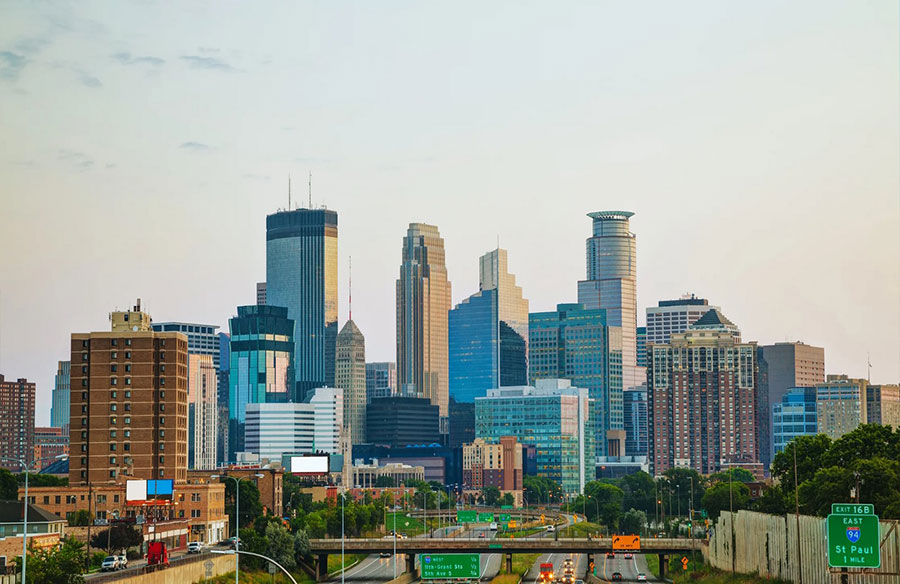
The Minneapolis real estate market has seen notable shifts in recent years, making it an exciting yet challenging environment for both buyers and sellers. With diverse neighborhoods, a strong local economy, and an evolving housing landscape, now is a prime time to understand what’s happening in the Minneapolis market. Whether you’re looking to purchase a home or sell your property, staying informed on market trends and strategies will help you make the best decisions.
The Current Minneapolis Real Estate Market in 2024
The Minneapolis real estate market, like many across the U.S., has been shaped by economic changes, interest rate adjustments, and a shifting demographic. Here’s what buyers and sellers can expect in 2024:
- Moderate Price Growth: Home prices in Minneapolis have continued to grow, but at a more moderate pace compared to the post-pandemic boom years. The average home price has risen by 4-6% over the past year, with some neighborhoods experiencing higher growth due to increased demand. Despite rising prices, Minneapolis remains more affordable compared to many major U.S. cities.
- Limited Inventory: One of the key challenges facing homebuyers in Minneapolis is a shortage of available properties. Like many urban areas, Minneapolis is experiencing a low inventory of homes, particularly in the mid-range market. This has created a competitive atmosphere for buyers, especially for single-family homes in desirable neighborhoods.
- Impact of Interest Rates: Higher interest rates have affected buyers’ purchasing power, making it more difficult for some to enter the market. This has slowed demand slightly, particularly for higher-priced homes, but properties in more affordable ranges are still seeing strong competition.
- Neighborhood Differences: The real estate market in Minneapolis is diverse, with some neighborhoods seeing much higher demand than others. Areas like Uptown, Northeast, and parts of Southwest Minneapolis remain highly competitive, while outer suburbs are seeing increased interest as buyers search for more space and affordability.
Buying a Home in Minneapolis
For homebuyers in Minneapolis, the current market presents both opportunities and challenges. Here are some key tips to help you navigate the process:
- Get Pre-Approved Early: In a market with limited inventory and competitive bidding, securing your financing early is essential. A mortgage pre-approval not only shows sellers that you’re a serious buyer, but it also helps you understand your budget and potential buying power.
- Act Fast in Competitive Areas: With demand high in certain neighborhoods, homes can receive multiple offers within days of listing. Be prepared to act quickly when you find a home you love. A good real estate agent with local market knowledge can help you craft a strong offer and navigate potential bidding wars.
- Explore Surrounding Areas: With inventory tight in central Minneapolis, many buyers are exploring surrounding suburbs such as St. Louis Park, Edina, and Richfield. These areas offer more affordable options while still providing easy access to downtown Minneapolis. First-time buyers and families may find larger homes and more yard space in these suburbs without sacrificing proximity to the city.
- Factor in Property Taxes and Maintenance Costs: While Minneapolis home prices may seem manageable, don’t forget to account for property taxes and other long-term costs such as home maintenance and repairs. Different areas of the Twin Cities can have varying property tax rates, so ensure you’re factoring this into your overall budget.
Selling a Home in Minneapolis
The current seller’s market in Minneapolis offers an excellent opportunity to capitalize on rising home values, but you still need the right strategies to ensure a smooth sale. Here’s what to consider when selling your home:
- Price Your Home Correctly: Pricing remains one of the most important factors in successfully selling your home. While home prices are rising, overpricing your property can lead to it sitting on the market for too long, which may result in price reductions. A knowledgeable real estate agent can help you price your home competitively based on local market trends and recent comparable sales.
- Maximize Curb Appeal: In Minneapolis, where winters are long and cold, first impressions matter more than ever. Improving your home’s curb appeal can make a significant difference in attracting buyers. Simple updates like fresh landscaping, painting, and exterior repairs can boost your home’s perceived value.
- Prepare for Multiple Offers: In a market with low inventory, well-priced homes often receive multiple offers. This gives sellers leverage to negotiate terms, whether that’s a higher price, waived contingencies, or faster closing dates. However, it’s important to assess all aspects of the offers, including the buyer’s financing and contingencies.
- Consider Selling to Cash Buyers: If you’re looking for a quick sale or don’t want to deal with the complexities of the traditional market, selling to a cash buyer might be a good option. Home sellers in St. Paul Minneapolis offer cash for homes, providing a fast and hassle-free transaction. This can be especially useful for homeowners looking to sell properties that need repairs or for those who want to avoid the lengthy process of showings and negotiations.
Minneapolis Neighborhoods to Watch
The Minneapolis real estate market offers a wide range of neighborhood options, each with its own unique vibe and market conditions. Here are a few areas to keep an eye on:
- Uptown: Known for its trendy vibe, dining, and entertainment options, Uptown remains one of the most desirable areas for young professionals. The housing stock here is a mix of condos, apartments, and older homes, making it competitive for both renters and buyers.
- Northeast Minneapolis: As one of the city’s hottest up-and-coming areas, Northeast has become a hub for artists, breweries, and small businesses. The demand for homes here continues to grow, with many properties receiving multiple offers quickly after listing.
- Southwest Minneapolis: This area is known for its family-friendly atmosphere, good schools, and proximity to parks. With larger homes and quieter streets, Southwest Minneapolis is popular with families looking to settle down in the city.
- Suburbs like Edina and Maple Grove: The suburbs around Minneapolis continue to attract homebuyers looking for more space and affordability. These areas offer great schools, larger homes, and more green spaces, making them ideal for families and those seeking a suburban lifestyle.
Conclusion
The Minneapolis real estate market in 2024 presents both challenges and opportunities for buyers and sellers. Buyers need to act quickly and strategically in a competitive market, while sellers can benefit from high demand and rising home values. Whether you’re buying or selling, working with an experienced local real estate agent can make a significant difference in navigating the market successfully.
For those seeking a fast and easy sale, cash buyers offer a streamlined option, allowing homeowners to sell quickly without the hassle of repairs or lengthy negotiations. As Minneapolis continues to grow and evolve, staying informed and adaptable will be key to achieving your real estate goals.







