

At some point, you’ve likely marveled at a stunning architectural piece, perhaps a striking building that took your breath away. Yet, the true impact of a space goes beyond its visual appeal, and the future of architecture isn’t just about what you see—it’s about what you hear.
Acoustic architecture, the art and science of designing buildings with sound in mind, can transform everyday experiences in places like parks, libraries, or cafes by offering more comfortable and immersive soundscapes.
Done right, sound can be just as captivating as any visual feature. Here are five ways you can design spaces for sound and how these ideas shape the future of acoustic architecture.
Material Selection: Optimizing for Sound Absorption and Reflection
The first step in acoustic design is choosing materials that control sound movement. Hard surfaces like concrete and glass reflect sound and cause it to echo, while soft materials such as carpets and acoustic tiles absorb sound. Balancing these materials is the ultimate solution to effective acoustic management.
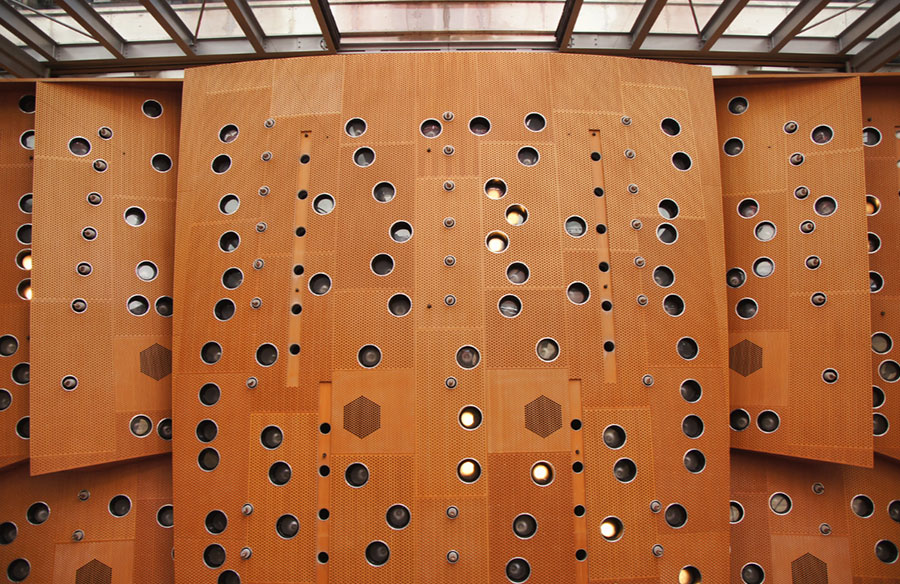
For example, modern concert halls like the Elbphilharmonie in Hamburg, Germany, use specialized wall panels made from plaster and cellulose to optimize sound reflection. The texture of these panels helps distribute sound evenly to ensure every seat in the hall experiences the same high-quality acoustics.
In public areas like restaurants or shopping malls, you can use sound-absorbing materials like wood panels, fabric-wrapped walls, or ceiling baffles to reduce the overall noise level and create a more intimate, pleasant sound environment.
Acoustic Software: Using Technology to Predict Sound Behavior
Today, advanced software allows architects to predict how sound will behave in a space before they build it. Acoustic modeling software uses complex algorithms to simulate how sound waves interact with different materials, shapes, and layouts.
For instance, architects can employ quick music mastering technologies that instantly refine and perfect audio tracks. These innovations help architects fine-tune the soundscape of a space in the design phase.
A perfect example is the Sydney Opera House, which used acoustic modeling to predict how the concert hall’s design would interact with sound waves to ensure that sound clarity and quality were part of the architectural design process.
Soundscaping: Curating the Sound Environment
Soundscaping is the intentional design and manipulation of a space’s auditory environment— it’s a lot like landscaping but for the visual environment.
Designers use soundscaping to create immersive audio experiences that add desired sounds (e.g., music and nature sounds) while minimizing unwanted noise. Urban parks often feature soundscaping by integrating small water features or wind chimes to mask urban noise with more tranquil, natural sounds.
Designers can also embed speakers in hidden spots to play curated soundtracks that enhance the experience of being in a public space. A successful example of soundscaping is in office spaces that utilize white noise machines to mask conversations to boost concentration and productivity.
Strategic Spatial Layouts: Creating Acoustic Zones
The layout of a space significantly determines how sound behaves within it. By designing strategic layouts, architects can create acoustic zones—areas within a space separated by different noise levels—to make controlling how sound moves within a space easier.
For instance, libraries often use physical barriers like bookshelves or walls made from soundproof materials to separate quiet study areas from communal spaces. Similarly, using partitions or acoustic panels between desks in open-plan offices reduces sound transfer and creates a calmer working environment.
Urban planners can design city squares featuring strategically placed sculptures or water fountains that reflect or absorb sound and reduce the impact of noise pollution on nearby areas.
Responsive Acoustic Systems: Adapting Sound Environments in Real-Time
One of the most exciting innovations in acoustic architecture is the development of responsive acoustic systems that use sensors to monitor sound levels in a space and adjust the acoustic environment in real time. For instance, a room’s ceiling panels or wall coverings can change their sound absorption properties based on the noise level or type of sound detected.
In airports or transit hubs, responsive acoustic systems can adjust sound settings to manage the noise from large crowds during peak travel times. In restaurants, these systems can help maintain a comfortable noise level by adapting to the number of patrons in the space.
Conclusion
Integrating acoustic design into our architectural projects can help create spaces that enhance our auditory environment, thus making cities more comfortable, inviting, and enriching for all who live, work, and visit them.







