

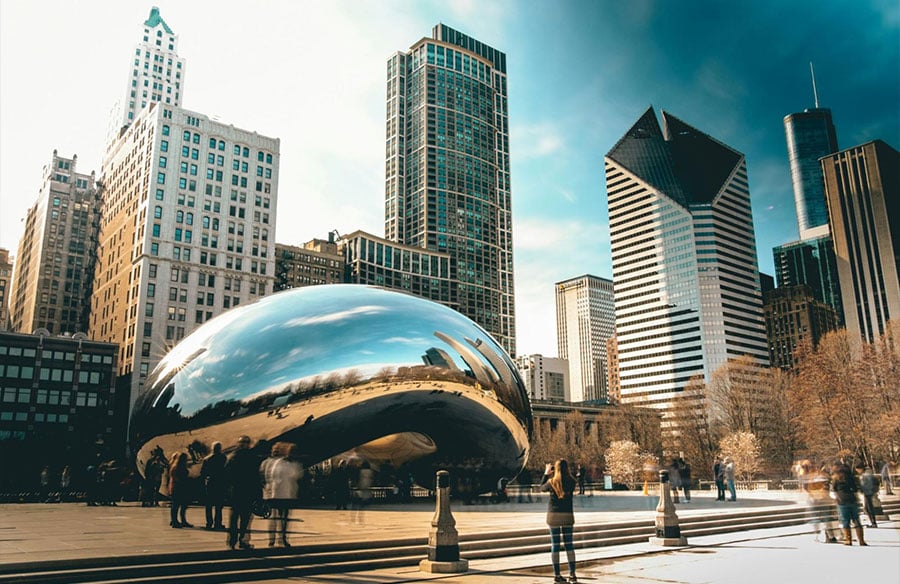
There’s a big difference between sound and noise. Noise is something often associated with cities, and in a negative way. Music, on the other hand, makes us feel things.
In today’s rapidly evolving urban environments, sound plays a more crucial role than you might think. From the hustle and bustle of city streets to the serene ambiance of public parks, soundscapes shape our experiences and perceptions of urban areas.
But what if the very concept of urban soundscapes was undergoing a revolution? Welcome to the new realms of urban soundscapes, where digital music distribution and innovative architectural design converge to create immersive auditory experiences that redefine how we interact with our cities.
The Digital Revolution of Urban Soundscapes
The advent of digital music distribution has significantly impacted our auditory experiences in urban settings. Gone are the days when music was confined to physical formats or limited broadcast ranges.
Today, streaming services, an app for tracks release, and digital downloads make a vast array of sounds and genres accessible at our fingertips. The democratization of music has allowed urban planners and architects to incorporate diverse soundscapes into their designs, enhancing the overall ambiance of cities.
The Role of Digital Platforms
Platforms like Spotify, Apple Music, and SoundCloud have made it easier for local artists to contribute to their city’s soundscape.
These platforms can create location-based playlists that can be accessed by anyone within the vicinity, providing a unique auditory experience tailored to the specific urban environment. This integration supports local artists and enriches the city’s cultural fabric.
Architecture and Acoustics
Architectural design plays a pivotal role in shaping urban soundscapes. Elements like building materials, structural layouts, and spatial arrangements can either enhance or diminish acoustic experiences.
For example, glass facades can amplify noise pollution by reflecting sound waves, while green roofs and walls can absorb and dampen unwanted noise, creating more pleasant auditory environments.
Trends in Designing for Optimal Acoustics
Modern architecture is increasingly prioritizing acoustics in the design process. One notable trend is the use of acoustic panels and sound-absorbing materials within buildings to minimize noise pollution and create more serene indoor environments.
Additionally, outdoor public spaces are being designed with soundscapes in mind. For instance, amphitheaters and concert venues are now incorporating advanced acoustic technologies to ensure optimal sound quality for audiences.
The Science Behind Acoustic Design
The science of acoustics involves understanding how sound waves interact with various surfaces and materials. Architects and urban planners are collaborating with acousticians to design spaces that optimize sound distribution.
It’s a collab leading to innovative solutions like sound baffles, which control and direct sound waves in open spaces, ensuring that the desired auditory experience is achieved.
Community Engagement and Public Spaces
Community involvement is what truly shapes urban soundscapes. Residents and local organizations can provide valuable insights into the auditory needs and preferences of their communities.
Urban planners can create soundscapes that resonate with the local culture and enhance the overall quality of life by actively engaging with the community.
Initiatives Transforming Public Areas
Numerous initiatives have successfully transformed public areas into vibrant, musical spaces. For example, the “Play Me, I’m Yours” project places pianos in public spaces, inviting passersby to play and share their music with the community.
These interactive installations not only foster a sense of community but also enrich the urban soundscape with spontaneous, live music.
The Role of Public Art in Soundscapes
Public art installations often incorporate sound elements to create immersive experiences. Sound sculptures use wind or water to produce natural melodies that enhance the ambiance of public spaces. They beautify the urban environment and provide unique auditory experiences that can evoke emotions and memories.
The Wrap Up
The evolution of urban soundscapes signifies a pivotal shift in how we experience and interact with city environments. By integrating digital music platforms, innovative architectural designs, and active community involvement, cities are transforming into dynamic, auditory landscapes where sound is not merely background noise but a vital component of urban life.
Embracing new tech and creativity allows urban planners and communities to collaboratively craft soundscapes that reflect their city’s cultural essence and enhance their livability.
This harmonious blending of sound and space enriches individual experiences and establishes a greater sense of connection and belonging, making cities resonate with life, vibrancy, and diversity.







