

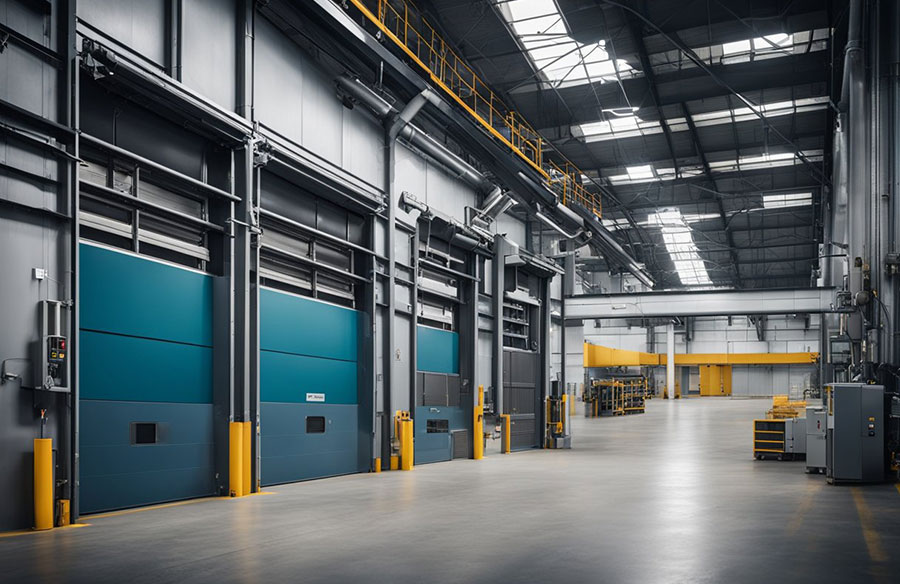
Selecting the right industrial door is crucial for maintaining efficiency and security in any commercial or industrial setting. The most important factor to consider is durability, ensuring the door withstands constant use and external elements. Different environments demand different levels of robustness, with some needing protection against harsh weather or heavy machinery impact.
Industrial doors come in various materials like steel, aluminum, or wood, each offering distinct advantages. Depending on specific needs, the material choice can affect the door’s longevity and maintenance requirements. Security features should not be overlooked, particularly for facilities requiring tight access control.
Lastly, ease of operation is a key consideration. Whether automation or manual functionality suits a facility better can depend on the frequency of use and the nature of goods or personnel traffic. Choosing a door that blends durability with operational efficiency can ensure seamless daily operations.
Assessing Your Industrial Environment
Selecting an industrial door requires an understanding of the specific environment it will serve. Key considerations include load capacity, frequency of use, environmental factors such as temperature and moisture, and compliance with safety standards.
Understanding Load and Frequency
Industrial doors must handle varying loads and frequencies. Heavy equipment traffic necessitates robust doors with high load capacities. Doors in a warehouse with constant movement differ from those in a storage facility with occasional access.
Ensuring the door can withstand repeated use without compromising performance is crucial. Duty cycle ratings indicate how often a door can operate efficiently within a given time. High-frequency environments benefit from doors with rapid opening and closing mechanisms, reducing wait times and improving efficiency.
Evaluating Environmental Conditions
Environmental factors significantly impact door selection. Factors like humidity, temperature fluctuations, and exposure to elements dictate material choice. For environments with harsh weather, insulated doors provide thermal efficiency and durability.
In coastal regions, corrosion-resistant materials like aluminum or stainless steel protect against salt exposure. Seals and gaskets play vital roles in minimizing air leakage, maintaining internal conditions, and enhancing energy efficiency. Customized solutions can adapt doors to specific environmental needs, ensuring longevity and optimal performance.
Safety and Compliance Standards
Adhering to safety and compliance standards is non-negotiable. Industrial doors must meet regulations set by governing bodies such as OSHA. Safety features like automatic reverse mechanisms and emergency exit functions are essential.
Fire-rated doors, important in certain industries, provide additional safety by containing potential fires. Regular maintenance and safety inspections ensure ongoing compliance. Investing in compliance today prevents costly legal issues and enhances workplace safety, making it a critical aspect of door selection.
Selecting the Appropriate Door Type
Choosing the right industrial door involves considering several critical factors, including the door type, material durability, and energy efficiency. These key elements can significantly impact a door’s performance and longevity in various industrial settings.
Roll-Up Doors Versus Sliding Doors
Roll-up doors are popular for their space-saving design. They coil neatly above the opening, making them ideal for areas with limited space. This design enables them to operate smoothly, even in high-traffic areas. Durability is a key advantage, as these doors are often made from robust materials like galvanized steel.
Sliding doors, on the other hand, offer easy accessibility. They glide horizontally and can cover wider openings effectively. They work best in environments where headroom is not restricted. Sliding doors are also valued for their aesthetic appeal and can be constructed from various materials to suit different industrial requirements.
Material Considerations for Durability
Materials used in industrial doors directly affect their durability and performance. Galvanized steel is a top choice due to its strength and resistance to corrosion, which is essential in demanding conditions. Aluminum is another option, providing lightweight versatility with moderate strength and corrosion resistance.
Fiberglass and polyurethane are alternatives that offer unique properties. Fiberglass is resilient and has a long lifespan, while polyurethane provides impact resistance. For businesses prioritizing Material Durability, selecting the right material is crucial for minimizing repair costs and ensuring long-term functionality.
Insulation and Energy Efficiency
Insulation is crucial for maintaining energy efficiency. Insulated doors are designed to minimize heat transfer, reducing energy costs for industrial facilities. Polyurethane and polystyrene are common insulating materials used within industrial doors due to their superior thermal properties.
Energy-efficient doors are essential for industries looking to reduce their carbon footprint. By selecting doors with high insulation value, facilities can ensure better temperature control and lower HVAC expenses.
Industrial facilities can benefit from doors that are specifically designed to meet their energy needs, balancing upfront costs with potential savings on energy bills. The choice of an energy-efficient door also supports sustainability goals.







