

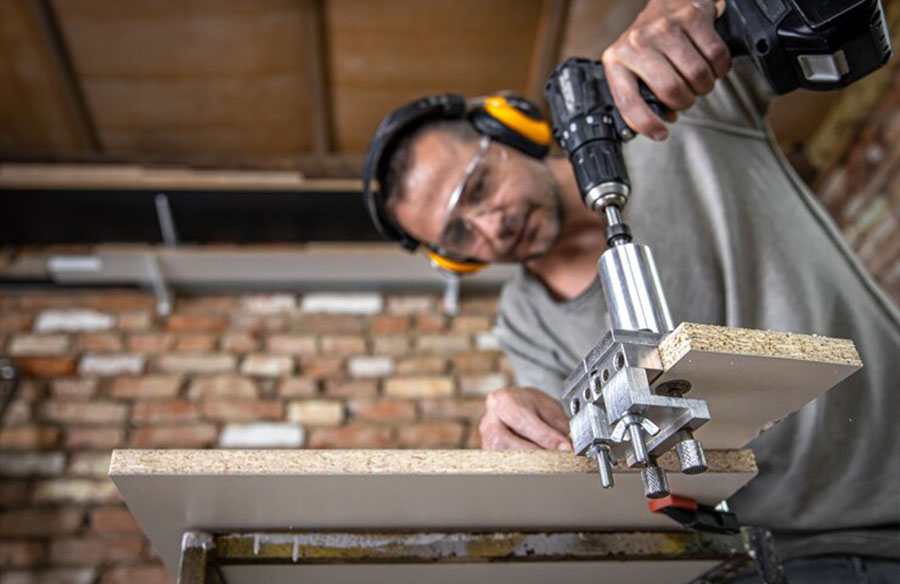
Outsourcing custom carpentry is becoming increasingly popular for many businesses and homeowners. This approach allows you to experience the expertise of skilled carpenters worldwide, often resulting in significant cost savings and improved project efficiency. By outsourcing custom carpentry, you can access a broader range of materials, styles, and craftsmanship that might not be locally available.
Did you know that businesses that outsource custom carpentry can save a lot on project costs compared to those that rely solely on in-house teams? This cost efficiency, along with the ability to meet tight deadlines and achieve high-quality finishes, makes outsourcing an attractive option. But how does one ensure that the quality and standards meet expectations when the work is done remotely?
Understanding the Costs of In-House Carpentry
Maintaining an in-house carpentry team involves several hidden costs that can significantly impact a business’s bottom line. Beyond the apparent salaries and benefits expenses, companies must invest in high-quality equipment and maintain a dedicated workspace. These costs add up quickly, with the need for continuous maintenance, tool updates, and adherence to safety regulations further driving up expenses. Additionally, providing training and development opportunities for the in-house team is essential to keep their skills up-to-date, adding another cost layer.
Labour shortages and skill gaps present additional challenges for in-house carpentry operations. The construction and carpentry industries have faced increasing difficulty in attracting and retaining skilled workers. This shortage leads to higher wage demands and increased competition for talent. Consequently, businesses may struggle to maintain consistent quality and efficiency in carpentry projects. Moreover, gaps in expertise can result in longer project timelines and higher error rates, further inflating costs.
When comparing the total cost of ownership for in-house versus outsourced carpentry, outsourcing often emerges as the more cost-effective option. While the upfront costs of outsourcing may seem higher, the long-term savings are substantial. Outsourcing removes the need for ongoing salaries, benefits, equipment, and workspace investment. Instead, businesses pay for the specific services they need when they need them, ensuring more predictable budgeting and financial planning. Additionally, outsourcing provides access to a broader pool of skilled professionals, reducing the risks associated with labour shortages and skill gaps.
Quality Assurance in Outsourced Carpentry
Outsourcing custom carpentry can raise concerns about maintaining quality, but these can be effectively addressed through thorough research and vetting of potential partners. To ensure high standards, it is crucial to assess the outsourcing company’s track record, client testimonials, and portfolio of past projects. Checking for industry-specific certifications and affiliations with professional organisations can also ensure their commitment to quality. By taking these steps, businesses can confidently select partners who meet their quality expectations.
Factors should be reviewed when choosing a potential outsourcing partner’s quality standards. First, inquire about their quality control processes and how they ensure consistency across projects. Request information on their training programs and how they update their team’s skills. Certifications for quality management systems can strongly indicate a commitment to maintaining high standards. Additionally, visiting their facilities, if possible, can provide firsthand insight into their operations and attention to detail.
Several examples of successful outsourcing partnerships highlight the importance of prioritising quality. For instance, a high-end furniture retailer partnered with a specialised carpentry firm renowned for its craftsmanship and adherence to strict quality controls. This collaboration resulted in custom furniture pieces that met the retailer’s exacting standards and delighted customers.
The Benefits of Outsourcing Beyond Cost

Another significant advantage of outsourcing is the access to specialised skills and expertise. External carpentry firms often have teams of professionals with diverse experience and advanced training in specific areas of woodworking. This depth of knowledge ensures high-quality workmanship and innovative solutions that might be challenging to achieve with a generalist in-house team.
Outsourcing also enables companies to free up internal resources for other critical tasks. Businesses can focus their internal teams on core competencies and strategic initiatives by delegating carpentry work to external specialists. This reallocation of resources can result to improved productivity and efficiency across the organisation. For example, project managers can devote more time to planning and execution, while marketing teams can concentrate on promoting the business and attracting new clients. Outsourcing allows companies to optimise their operations and drive growth by focusing on what they do best.
Building Strong Partnerships with Outsourcing Providers
Choosing the right partner is vital for the success of your projects. Start by conducting thorough research for potential partners. Look for the ones with a consistent track record in custom carpentry, strong client testimonials, and a robust portfolio of completed projects. Verify their certifications and affiliations with professional organisations to ensure they meet industry standards. Request references and speak directly with former clients to gain insights into their experiences. Additionally, consider the partner’s capacity to handle your project size and complexity and assess their ability to scale up or down based on your needs.
Clear Communication and Expectations
Clear communication and precise expectations are essential for a successful outsourcing partnership. Begin by defining the scope of work, project timelines, and quality standards. Ensure that both sides understand and agree on the project objectives and deliverables. Regularly scheduled meetings and updates can help maintain alignment and address any issues promptly. Utilising project management tools can also facilitate seamless communication and tracking of progress. Be transparent about your expectations regarding timelines, budgets, and quality to avoid misunderstandings and ensure both parties are on the same page.
Building Long-Term Relationships
Investing in long-term relationships with outsourcing providers can yield significant benefits over time. A long-term partnership fosters trust, reliability, and a deeper understanding of each other’s working styles and expectations. By building a solid relationship, your outsourcing partner becomes more attuned to your business needs and can provide more tailored solutions. Additionally, long-term partners are more likely to prioritise your projects and offer competitive pricing and better service. To cultivate a long-term relationship, prioritise consistent communication, provide constructive feedback, and recognise and appreciate their contributions.
Conclusion
Outsourcing custom carpentry offers numerous advantages that extend beyond mere cost savings. It provides increased flexibility and scalability, allowing businesses to adapt to varying project demands without the constraints of maintaining an in-house team. Access to specialised skills and expertise ensures high-quality workmanship and innovative solutions while freeing up internal resources for other critical tasks, which enhances overall productivity and efficiency.







