

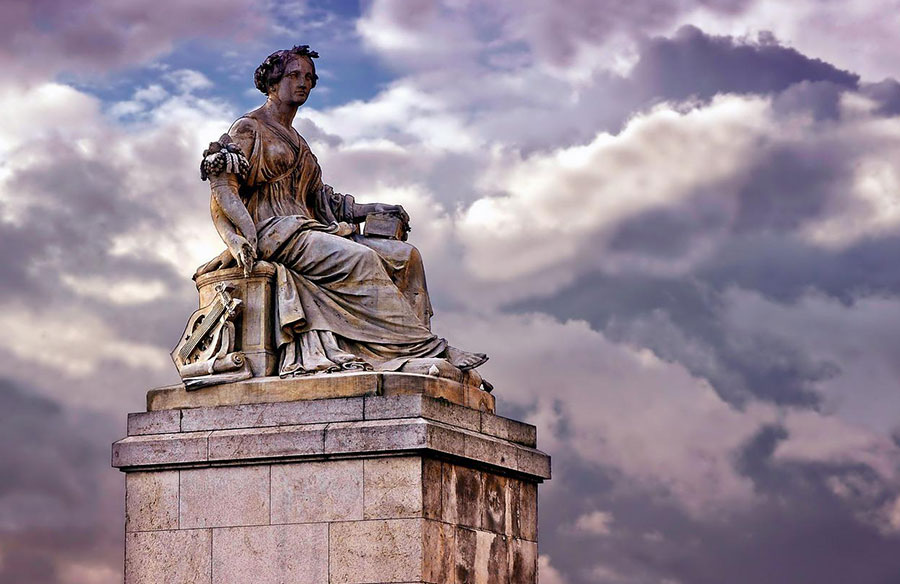
Public art can transform a city, inspire imagination, and bring communities together. Sculptures and statues in parks, town squares, and other public spaces serve many purposes – they can commemorate history, pay tribute to influential figures, provoke debate, and beautify an area. When thoughtfully designed and integrated into a location, public art has the power to rejuvenate neighborhoods, spark conversation, and enhance local pride and identity. Today, we will explore the multifaceted impact of public sculptures and statues on communities, creativity, and beyond.
Commemorating History and Culture
One of the most common functions of public art is to memorialize important historical events, cultural heritage, and significant people. Statues honoring influential leaders like Martin Luther King Jr. and Abraham Lincoln can strengthen community identity and remind citizens of important ideals. Other sculptures pay tribute to local history, industries, and ethnic groups that helped shape a place. For example, in Birmingham, Alabama the Vulcan statue representing the Roman god of fire and metalwork reflects the city’s steelmaking legacy. A dinosaur skeletons decoration in a natural history museum or outside a dinosaur-themed business highlights fascinating prehistoric life. Public artworks that encapsulate defining moments and recognize different communities are touchpoints for remembering the past.
Inspiring Imagination and Conversation
Many sculptures and statues aim not just to honor history, but to provoke imagination too. Public art with abstract shapes, unconventional materials, and thought-provoking messages can stimulate creativity and conversation among viewers. The Cloud Gate sculpture in Chicago’s Millennium Park, for instance, invites people to walk underneath and interact with its mirrored surface, bending perspectives. Such participatory installations engage the public and encourage them to think in new ways. Controversial works that confront complex topics also spark dialogue about important societal issues that communities grapple with. Public art has the power to open minds, push boundaries, and bring people together through shared experiences.
Revitalizing Public Spaces
Incorporating vibrant public sculptures and statues into parks, plazas, and other communal areas is a great way to activate these spaces. Artworks introduce visual interest to attract more people, give them a reason to gather, and infuse locations with energy. For example, prominent displays like the Picasso sculpture in Daley Plaza help transform Chicago’s downtown into a lively hub. Strategically placed statues can also help guide foot traffic to rejuvenate dilapidated neighborhoods. Public art acts as an anchor that makes community spaces more inviting and engaging.
Building Community Identity
Public artworks that embody the distinct character of a community also create a sense of identity and belonging among citizens. Sculptures celebrating unique regional cultures and histories allow residents to connect through shared experience and heritage. For instance, Drummer Boy in Syracuse, NY pays tribute to the Onondaga Nation, while the prominent Charging Bull in Manhattan reflects New York City’s financial power. Distinctive statues become symbols of what makes a community special. Public art that authentically represents a place helps strengthen attachment and unity among diverse groups of residents.
Public sculptures and statues serve many invaluable functions – commemorating heritage, inspiring imagination, reactivating public spaces, and strengthening community bonds. They have the power to uplift and bring communities together in meaningful ways. More cities should leverage the multifaceted benefits of public art to enrich the lives of residents.







