

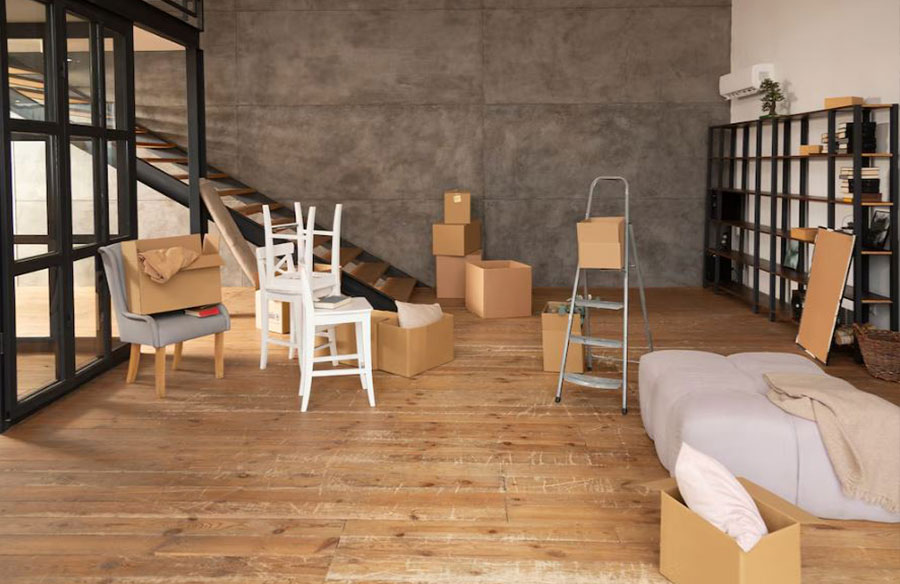
Basements are commonplace in Canadian homes. Around 50 percent of dwellings have a basement, and they are particularly common in colder regions such as Ontario, as they provide additional insulation in winter months. Canadian basements have traditionally been used primarily for storage, but times are changing.
Today’s multipurpose homes serve not only as places to live but also to work and, in many cases, to study. Fitting additional activities into the same space demands some lateral thinking, and that could include putting the home basement to alternative use.
Finding alternative self-storage facilities
Before we can even start to think about changing the use of the basement, it is necessary to deal with all the household items that are stored there. Off site storage is becoming an increasingly popular choice among Canadian householders and companies like AccessStorage have self-storage facilities across Canada.
Repurposing a basement is the perfect time to declutter, so nobody is advocating simply moving all the junk from the basement to a self-storage unit. But even after the process of discarding, donating or selling things that are not needed, every household will be left with plenty of things that they need to keep but do not use every day. These might include spare furniture, seasonal clothing, festive decorations, tools that are only pressed into occasional use and so on.
Placing such items into a purpose-built storage unit on a secure site means they are out of the way but stored safely in an environment where they are not at risk from damp or vermin. By choosing a facility that is local, they are also within quick and easy reach whenever needed. Now with the basement empty and swept clean, you can move on to the next step.
Transforming the basement from storage room to living space
There are many potential uses for a basement beyond treating it as a large storage cupboard. Popular repurposing projects include transforming it into a home office, a games room, a guest suite or even a home gym.
Each of these will have specific design requirements from the outset, and it is impossible to go into detail here. But for example, a games or entertainment room needs extra soundproofing, a gym will need a strengthened and cushioned floor and a guest suite is likely to need extra windows for emergency egress, depending on local building codes.
However, there are also some steps you will need to take that apply to all uses. As already mentioned, building codes vary across Canada so it is the responsibility of every homeowner to check exact requirements. But broadly speaking, the key areas to cover are as follows:
- Structural integrity – check floors and walls for cracks that might have gone unnoticed when the basement was full of belongings in long term storage. Any issues must be addressed by a professional before you go any further.
- Waterproofing – basements are more prone to damp than any other room. Check for any damp places or leaks, and look at appropriate measures to keep damp at bay. These might include adding waterproof membranes, a sump plug or even a full drainage system.
- Height requirements – again, these vary according to location, but the most common code requirement is for a minimum height of 6’11” (211cm). If headroom is insufficient, you will need to either drop the floor or elevate the ceiling before you can repurpose the space.
Those are the main code requirements, but you will also need to think about ventilation along with plumbing and electrical supply needs before you start drawing up detailed plans for your basement conversion.







