

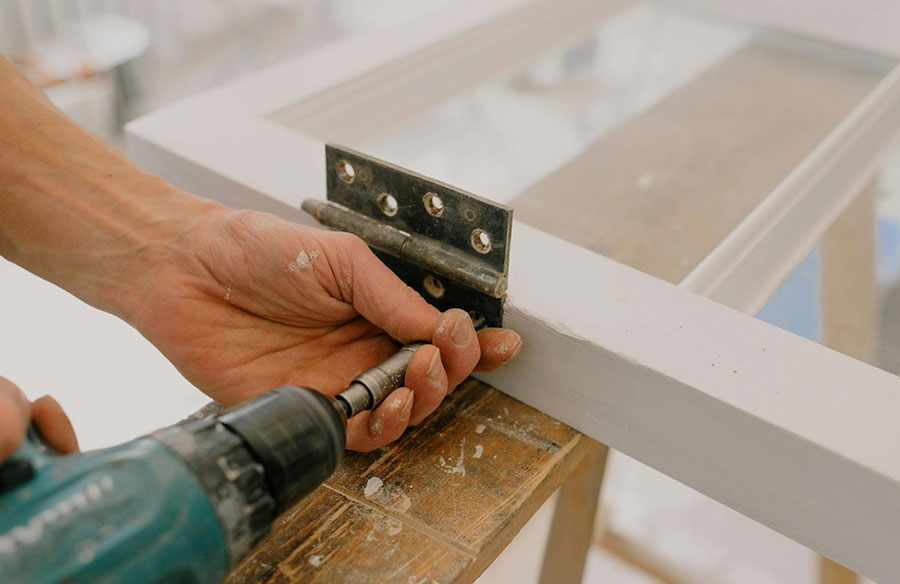
The decision to renovate or sell your home as-is is often fraught with emotional and financial considerations. For many homeowners, the house isn’t just a structure; it’s a collection of memories, a symbol of achievements, and sometimes, a significant investment that reflects their hard work. However, as life’s circumstances change—whether due to a growing family, a job relocation, or simply the desire for a fresh start—this attachment can clash with the practicalities of homeownership.
In this complex dilemma, homeowners find themselves at a crossroads: Should you pour time, energy, and capital into renovating your existing space to make it more comfortable and appealing? Or is it wiser to list the property as-is, potentially attracting buyers who see your home as a blank canvas for their own dreams? Each option presents its own set of advantages and challenges.
Renovating can enhance the value of your home, making it more attractive to potential buyers and aligning it with current market trends. However, renovations often come with unexpected costs and time commitments. On the other hand, selling as-is can offer a quick and straightforward path to cashing in on your investment but may leave you with less financial return if your home requires significant updates.
In this blog post, we’ll delve deeper into the factors that should influence your decision. From market conditions and renovation costs to personal circumstances and emotional attachments, we’ll provide insights to help you navigate this pivotal choice for your home’s future. Whether you’re leaning towards a renovation project or considering a straightforward sale, understanding the nuances of each option will empower you to make the best decision for your unique situation.
Assessing Your Home’s Current Condition
Assessing your home’s current condition is a critical first step in deciding whether to renovate or sell as-is. This evaluation goes beyond a mere glance at the walls and roof; it requires a thorough inspection of both the structural integrity and aesthetic appeal of your property. Start by taking a walk through each room, noting any visible wear and tear, such as peeling paint, outdated fixtures, or flooring that has seen better days. Pay attention to fundamental systems, too—check the plumbing, electrical, and HVAC systems to gauge their functionality and longevity.
Consider hiring a professional home inspector to provide an unbiased assessment. An inspector can uncover hidden issues that may not be immediately apparent, such as foundation problems, mold, or pest infestations. This expert opinion can be invaluable, especially if you’re contemplating a renovation, as it will help you identify what needs immediate attention and what can be postponed.
As you assess your home, take stock of its overall layout and flow. Are there cramped spaces that could benefit from a more open concept? Are the bedrooms functional for modern living? Sometimes, a few strategic changes can significantly enhance both the comfort and marketability of your home.
Additionally, consider the neighborhood dynamics. If homes in your area are selling quickly, investing in renovations might yield a higher return on your investment. However, if the market is stagnant, it might be wise to sell as-is and let the new owners make the changes they desire.
Ultimately, understanding your home’s condition—not just on the surface but in its bones—will empower you to make a well-informed decision about its future. Whether you choose to renovate or sell, this careful assessment is the foundation that will guide your next steps.
Evaluating the Real Estate Market
When deciding whether to renovate your home or sell it as-is, a crucial step is evaluating the current real estate market. Understanding the dynamics of your local market can provide invaluable insights into which option may yield the best return on investment.
Start by researching recent sales in your neighborhood. Look for properties similar to yours in terms of size, age, and condition. If homes that have undergone renovations are selling quickly and at higher prices, this may indicate a strong demand for updated properties in your area. Conversely, if you notice that homes are sitting on the market for extended periods, it could suggest a saturated market or a preference for move-in-ready homes, making renovations a worthwhile investment.
Engage with a local real estate agent who possesses a deep understanding of your area. They can provide a comparative market analysis (CMA) to help you gauge your home’s potential value after renovations versus its current market value as-is. Additionally, consider the seasonal trends in your area; certain times of the year may be more favorable for selling, while others might see an uptick in home renovations.
Don’t forget to account for broader economic factors. Interest rates, employment rates, and the overall health of the economy can significantly impact buyer behavior. A booming job market may encourage buyers to invest in remodeled homes, while a downturn might steer them toward more budget-friendly, as-is options.
Taking the time to carefully evaluate the real estate market not only informs your decision but also empowers you to strategize effectively, ensuring that whatever choice you make aligns with your financial goals and the future of your home.
The Benefits of Renovating Your Home
Renovating your home can be a transformative journey, breathing new life into your living space while enhancing its overall value. One of the most significant benefits of undertaking a renovation is the potential to significantly increase your home’s market value. Updated kitchens and bathrooms, fresh paint, and modern fixtures not only appeal to buyers but can also result in a substantial return on your investment.
Beyond financial gains, renovations allow you to customize your space to better fit your lifestyle and preferences. Whether it’s an open-concept kitchen that fosters family gatherings or a backyard oasis for summer barbecues, renovations can create an environment that truly reflects who you are. This personalization can lead to a deeper emotional connection with your home, making it a place of comfort and joy.
Additionally, renovating can improve energy efficiency and reduce utility costs. Upgrading insulation, windows, and appliances to more efficient models can lead to significant savings over time while also contributing to a more sustainable living environment. Not to mention, the satisfaction that comes from living in a beautifully updated space can greatly enhance your quality of life.
Finally, a well-planned renovation can help address any structural or maintenance issues that have arisen over the years. By tackling these problems head-on, you can prevent more significant, costly repairs down the line, ensuring that your home remains a safe and welcoming haven for you and your family.
In summary, while the decision to renovate requires careful consideration and investment, the benefits—both tangible and intangible—can significantly outweigh the costs, making it a compelling choice for your home’s future.
The Costs of Renovation: Budgeting and Financing
Renovating your home can be an exciting prospect, offering the chance to breathe new life into your living space. However, it’s crucial to approach this endeavor with a clear understanding of the costs involved. Budgeting for renovation isn’t just about estimating the price of materials and labor; it requires a comprehensive assessment of your financial capacity and the potential return on investment.
When considering the costs, start by compiling a detailed list of what renovations you envision. This could range from minor cosmetic updates, like fresh paint and new fixtures, to significant structural changes, such as adding a new room or renovating the kitchen. Each of these projects comes with its own set of expenses. Be sure to include not just direct costs, but also permits, fees, and unforeseen contingencies—experts often recommend setting aside an additional 10% to 20% of your total budget as a buffer for unexpected expenses.
Next, explore your financing options. If you don’t have the cash readily available, you might consider taking out a home equity loan or a line of credit, which can offer lower interest rates compared to personal loans. Alternatively, government programs and grants may be available for certain types of renovations, especially if they improve energy efficiency or accessibility. It’s wise to consult with a financial advisor to determine the best route for your particular situation.
Finally, keep in mind that renovations aren’t just about immediate costs; they also have long-term implications. Will the upgrades significantly enhance your home’s value? Are they appealing to potential buyers in your region? By carefully evaluating these factors, you can make an informed decision that aligns with both your financial health and your home’s future. Ultimately, the key to successful renovation budgeting lies in thorough research, realistic planning, and a willingness to adapt as you learn more about the costs and benefits associated with your project.
The Pros and Cons of Selling As-Is
When considering whether to sell your home as-is, it’s essential to weigh the pros and cons carefully. Selling as-is can be an enticing option for many homeowners, particularly if you’re looking for a quick sale or want to avoid the stress of extensive renovations.
Pros: One of the most significant advantages of selling as-is is the time-saving aspect. You avoid the lengthy process of making repairs or updates, which can often take weeks or even months. This is especially beneficial if you need to relocate quickly due to a job change or personal reasons. Additionally, selling as-is often requires less financial investment upfront, freeing you from the burden of funding renovations that may not yield a return on investment. Buyers interested in as-is properties may also include investors looking for a fixer-upper, meaning you could attract a different demographic that’s eager to close quickly.
Cons: However, selling as-is comes with its own set of challenges. Homes that are not in pristine condition may deter traditional buyers who are looking for move-in-ready homes. This can limit your buyer pool and potentially lead to a lower sale price. Moreover, homes sold as-is may linger on the market longer, as many buyers may be hesitant to invest in properties they perceive as needing too much work. Additionally, you may face unexpected costs if a buyer requests repairs after a home inspection, leading to negotiations that could complicate the sale process.
Ultimately, deciding to sell as-is requires a clear understanding of your home’s condition, the current real estate market, and your personal circumstances. By weighing these pros and cons, you can make an informed decision that aligns with your goals for your home’s future.
Understanding Buyer Expectations for As-Is Homes
When it comes to selling your home as-is, it’s crucial to grasp what potential buyers expect from the property. An as-is sale often implies that the buyer is prepared to take on the property in its current state, including any repairs or renovations it may need. However, this doesn’t mean they’re willing to overlook significant issues or potential hazards. Understanding buyer expectations can help you set the right tone for your listing and avoid potential pitfalls.
Firstly, buyers are often looking for transparency. They want to know exactly what they’re getting into, so be upfront about any known issues, whether they’re structural, electrical, or cosmetic. Providing a detailed disclosure statement can build trust and demonstrate that you’re not trying to hide significant problems. While you may not be making repairs, you can still offer a credible outline of what needs attention, which can help in negotiations.
Another aspect to consider is the competitive landscape. Depending on the real estate market in your area, as-is homes can attract a diverse range of buyers, from seasoned investors seeking renovation projects to first-time homeowners looking for a budget-friendly option. Each of these groups will have different expectations. Investors typically focus on the property’s potential for profit, willing to invest time and money to flip or rent it out. On the other hand, first-time buyers may be looking for a livable space that requires minimal work, so they might be more hesitant if the home shows signs of extensive wear and tear.
Price is a crucial factor as well. Buyers will often expect a discount for an as-is property, reflecting the cost of repairs they might incur after the purchase. Conducting a comparative market analysis can help you set a competitive price that acknowledges the home’s current state while still reflecting its potential value.
Lastly, staging your home—even in its as-is condition—can make a significant difference. By decluttering and cleaning, you can help buyers envision the potential of the space, even with its flaws. Highlighting the home’s strengths, such as a great location or unique architectural features, can also help shift the focus away from its shortcomings.
In conclusion, understanding buyer expectations for as-is homes is key to navigating this selling strategy effectively. By being transparent, setting a competitive price, and presenting your property in the best light possible, you can attract the right buyers and make informed decisions about your home’s future.
Timing the Market: When to Sell vs. Renovate
Timing the market is a crucial factor when deciding whether to sell your home as-is or invest in renovations. The real estate market is inherently cyclical, influenced by economic trends, interest rates, and regional demand, making it essential to stay informed about current conditions.
If the market is booming, with home prices soaring and buyer demand high, it may be more advantageous to sell your home as-is. In a seller’s market, buyers are often more willing to overlook cosmetic flaws or outdated features, focusing instead on the overall potential of the property. Capitalizing on favorable conditions can result in a quicker sale and a higher return on your investment.
Conversely, if the market is sluggish and home prices are stagnating, investing in renovations might be the better route. Upgrading key areas of your home—such as the kitchen or bathroom—can significantly increase its value and appeal, attracting buyers who are looking for move-in-ready properties. Renovations can also provide a competitive edge in a crowded market, allowing your home to stand out among similar listings.
Timing can also be affected by seasonal trends. Spring and summer typically see a surge in buyers eager to settle before the new school year, making it an ideal time to list your home. On the other hand, during the colder months, fewer buyers are actively searching, which could weigh against your selling strategy.
Consider your personal circumstances as well. If you need to relocate quickly due to a job transfer or life change, selling as-is may be your best option, even if it means accepting a lower price. However, if you have the time and resources to invest in renovations, waiting for the right market conditions might yield a more profitable outcome.
Ultimately, understanding the nuances of timing can empower you to make an informed decision, aligning your strategy with both market dynamics and your individual goals for the future of your home.
How to Determine Your Home’s Market Value
Determining your home’s market value is a crucial step in deciding whether to renovate or sell as-is. Understanding what your home is worth can guide your decision-making process and help you make informed choices that align with your financial goals. Here are some effective methods to ascertain your home’s value:
Online Valuation Tools: Start by leveraging online real estate platforms that offer automated valuation models (AVMs). Websites like Zillow or Redfin can provide you with an initial estimate based on comparable sales in your area, current market trends, and property characteristics. While this gives you a ballpark figure, remember that it’s just a starting point.
Comparative Market Analysis (CMA): A more refined approach involves conducting a comparative market analysis. This entails looking at recently sold homes in your neighborhood that share similar features—such as size, age, and condition. A local real estate agent can assist you in identifying these comparable homes and provide insights into how your home measures up, allowing you to gauge its market position.
Professional Appraisal: For a comprehensive and authoritative assessment, consider hiring a professional appraiser. Appraisers have the expertise to evaluate your home’s condition, features, and location, and they often use detailed methodologies to determine its value. This option may come at a cost, but the accuracy and insights gained can be invaluable, especially if you’re considering significant renovations or a sale.
Assessing Market Trends: Stay informed about current market conditions in your area. Is it a buyer’s market or a seller’s market? Understanding broader economic indicators, such as local job growth and housing supply, can provide context for your home’s value. Attending open houses and connecting with local real estate professionals can also keep you informed about how similar properties are performing.
Property Condition and Upgrades: Lastly, take stock of your home’s condition and any upgrades you’ve made. Features like modern appliances, energy-efficient systems, or newly renovated spaces can significantly enhance your home’s value. Conversely, if your home requires repairs or updates, it might be wise to factor these considerations into your valuation and decision-making process.
By utilizing these strategies, you can arrive at a realistic market value for your home, empowering you to make the right choice between renovating or selling as-is. Understanding your home’s worth is not just about numbers; it’s about envisioning the best path to capitalize on your investment and secure your financial future.
Consulting Professionals: When to Seek Help
Deciding whether to renovate your home or sell it as-is can be a daunting task, and sometimes, a little expert guidance can make all the difference. Consulting professionals—whether they be real estate agents, contractors, or home inspectors—can provide invaluable insights that inform your decision-making process.
A real estate agent or a we buy houses Pasadena MD cash home buyers, for example, can assess your home’s market value in its current state and offer advice on potential renovations that could yield a higher return on investment. They have their fingers on the pulse of the local housing market, so they understand what buyers are looking for and which upgrades are worth the expense. A well-informed agent can help you weigh the costs of renovation against the potential increase in sale price, giving you a clearer picture of your options.
Contractors, on the other hand, can provide detailed estimates not only on the costs of renovations but also on the timelines and logistics involved in the process. Understanding the scope of work required for your desired changes can help you determine if a renovation is feasible within your budget and timeframe. If you have a specific vision in mind, a contractor can help you realize that vision or suggest alternatives that may enhance your home’s appeal.
Additionally, engaging a home inspector can uncover hidden issues that you might not be aware of, such as structural problems or outdated systems that could deter potential buyers. Armed with this information, you can make a more informed decision about whether to tackle necessary repairs before selling or to factor them into your pricing strategy.
Ultimately, consulting professionals can provide clarity in a complex situation, ensuring you make a decision that aligns with both your financial goals and your personal circumstances. Whether you choose to renovate or sell as-is, having expert advice can help you navigate the process with confidence.
Conclusion
In the journey of homeownership, the decision to renovate or sell as-is is a pivotal moment that can shape your financial future and personal satisfaction. As we’ve explored in this article, both options present their unique advantages and challenges. Renovating your home allows you to tailor your space to meet your needs and desires, potentially increasing its value and appeal to future buyers. It’s an opportunity to breathe new life into your living environment, transforming outdated features into modern conveniences that reflect your style.
On the other hand, selling as-is presents a straightforward path that can save you time, money, and the stress of managing renovation projects. This option is particularly enticing if your home requires extensive repairs or if you simply wish to relocate quickly. By opting for a sale in its current state, you can capitalize on the market demand, especially in hot real estate areas, and move forward without the burden of renovation uncertainties.
Ultimately, the choice you make should align with your long-term goals, financial situation, and emotional attachment to your home. Take the time to weigh your options carefully, consider the current market conditions, and assess your personal and financial readiness for either path. Whether you choose to invest in renovations that will enhance your living space or decide to sell as-is and start anew, remember that this decision is not just about the present—it’s about crafting the future you envision for yourself and your family. Embrace the journey and trust that whichever route you take will lead you closer to your ideal home experience.







