

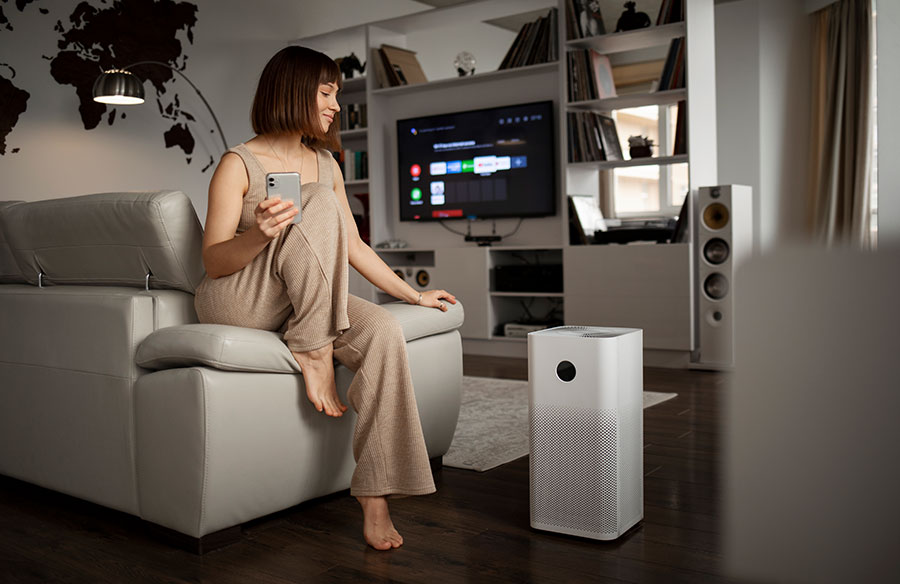
In the modern American household, air quality has become a critical concern. With rising awareness about pollutants, allergens, and other harmful airborne particles, having an air purifier like the Air Purifier is essential. However, simply purchasing a high-quality air purifier is not enough; where you place it plays a significant role in its effectiveness.
In this article, we’ll explore the best locations to place your air purifier, ensuring that you breathe clean air and maximize the benefits of your investment.
Why Air Purifier Placement Matters
Before diving into the specifics, it’s important to understand why placement is critical to an air purifier’s performance. Air purifiers work by drawing in contaminated air and releasing clean air back into the room. Therefore, the positioning affects how much polluted air it can absorb and how effectively it can circulate purified air.
Several factors determine how well your air purifier functions based on where it is placed, such as:
- Airflow patterns in your home
- The size of the room or area
- Proximity to sources of contaminants (like kitchens or open windows)
- The type of air purifier you have (HEPA, activated carbon, etc.)
Best Locations to Place an Air Purifier
1. Bedrooms: Prioritize Where You Sleep
The bedroom is one of the most important places to place an air purifier, as you spend a significant amount of time there. Most people spend 6-8 hours sleeping, making it crucial to breathe clean air during those hours.
- Why it matters: Many people suffer from nighttime allergies due to dust mites, pet dander, or mold, which are more concentrated indoors.
- Ideal placement: Place the air purifier near the head of your bed, but not too close. A distance of about 5-10 feet is usually ideal. This ensures a good balance of clean airflow without any noise disturbances.
Example: Placing your Air Purifier on a nightstand near your bed, but not directly in your breathing zone, can improve your sleep quality by removing allergens.
2. Living Room: Tackle High Traffic Areas
The living room is typically one of the largest and most frequently used areas of the home. Families spend time here, and guests are often entertained in this space, making it a hotspot for pollutants like pet hair, dust, and even outdoor pollutants that may enter when the door is opened.
- Why it matters: High foot traffic areas have more potential for pollutants to accumulate. The larger space also means more air needs to be circulated.
- Ideal placement: In the living room, try placing the air purifier near the center of the room or near the largest seating area. If you have a big room, you might need more than one air purifier to adequately clean the air.
Example: If you have an open-plan living space, placing the Air Purifier in the center of the room or between the seating area and the kitchen will help reduce odors and remove harmful particles before they spread.
3. Kitchens: Eliminate Odors and Smoke
Kitchens are known for producing strong odors, smoke, and other particles from cooking. Grease, burnt food, and even chemicals from cleaning products can compromise air quality. Placing an air purifier in or near the kitchen can help reduce these contaminants.
- Why it matters: Cooking releases airborne particles that can linger in your home, especially if it’s not well-ventilated.
- Ideal placement: Place the air purifier in a location that doesn’t obstruct your cooking workflow but is close enough to absorb any airborne grease or smoke. Avoid placing it directly on the countertop; instead, opt for a nearby corner or a side table.
Example: Use the Air Purifier in an adjacent dining area to ensure that smoke and odors are filtered quickly, without interfering with your cooking process.
4. Home Offices: Combat Dust and VOCs
Home offices have become a permanent feature in many American homes, especially post-pandemic. These spaces can accumulate dust and volatile organic compounds (VOCs) from electronics, furniture, and cleaning supplies, leading to poor air quality.
- Why it matters: Poor indoor air quality in home offices can lead to fatigue, difficulty concentrating, and even headaches.
- Ideal placement: Place the air purifier near your desk or computer setup, but not directly in your workspace where it may interfere with your focus. Keeping it on the floor or on a small stand nearby can ensure you have access to cleaner air without distractions.
Example: The Air Purifier can be placed behind your office chair or beside your computer to filter out dust and VOCs from electronics, giving you a clearer mind and healthier environment.
5. Entryways: First Defense Against Outdoor Pollutants
Entryways, foyers, and mudrooms are places where outdoor pollutants like pollen, dust, and debris enter your home. Having an air purifier stationed at these entry points ensures that fewer contaminants are carried deeper into your home.
- Why it matters: Entryways are the first point of contact for outdoor air pollutants. Capturing these before they spread throughout your house can significantly improve overall air quality.
- Ideal placement: Place the air purifier near the front door or in the hallway where airflow can carry pollutants from the outside into your home.
Example: Set up the Air Purifier in your foyer to capture pollutants like pollen and dust before they infiltrate your living areas, keeping your home’s air cleaner.
Tips for Optimal Air Purifier Placement
Aside from selecting the right room, here are a few placement tips to ensure your air purifier works as efficiently as possible:
- Avoid placing it in corners: Corners and tight spaces limit airflow and can reduce the effectiveness of your air purifier. Always keep it in an open area with at least 12-18 inches of clearance around it.
- Keep it off the floor: While it’s not a strict rule, elevating your air purifier a few feet off the ground (on a shelf or table) can improve its ability to draw in air from different parts of the room.
- Don’t block the airflow: Make sure there’s nothing obstructing the intake or output vents of your purifier. Furniture, walls, or other objects can reduce its capacity to clean the air.
- Avoid placing near electronics: Large electronics like televisions or computers can interfere with an air purifier’s performance. Keep some distance between these devices and your air purifier.
Conclusion
Proper air purifier placement is critical for ensuring clean, fresh air in your home. Whether you prioritize your bedroom for improved sleep, the living room for all-day coverage, or the kitchen to handle smoke and odors, strategically positioning your Air Purifier can help you maintain optimal air quality in every corner of your home.
Remember, while selecting the best air purifier is important, where and how you use it ultimately determines its effectiveness. So, take the time to position it correctly, and you’ll breathe easier knowing your air is as clean as possible.







