

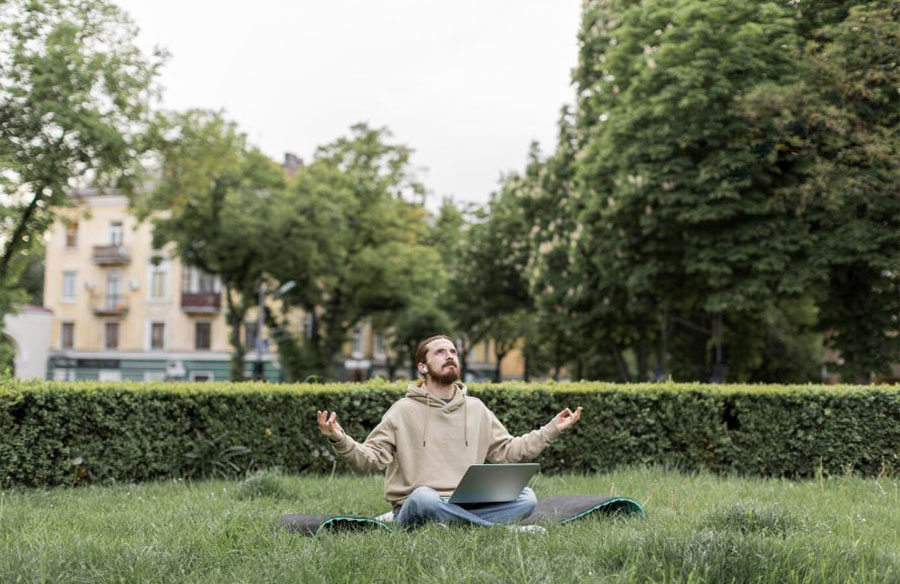
Unwinding can feel unattainable amidst the rapid pace of modern life, yet disconnecting from technology and seeking solace amid nature’s peacefulness has far-reaching benefits that come in a wide range. As well as improving physical fitness, forest bathing enhances mental well-being considerably with all-natural benefits that alleviate constant life stresses; therefore, spending time outdoors is beneficial and vital for preserving your overall health and blissful state of mind.
Encourages Social Interaction
Spending time outdoors provides a perfect setting for social interactions with family and friends. Consider creating a welcoming outdoor space in your backyard with a pergola kit to encourage this interaction. Engaging in conversations and activities in these natural settings can foster positive interactions and help build supportive relationships, which is vital for boosting self-esteem through validation and encouragement. Moreover, shared experiences in the beauty of nature can cultivate a sense of belonging and acceptance, elevating confidence.
Sunlight and Vitamin D Synthesis
Spending time outside offers great benefits because it allows your body to absorb sunlight, which prompts Vitamin D production. This vital nutrient supports bone health and boosts the immune system’s defense against certain diseases. Even brief periods of sun exposure can noticeably boost levels of Vitamin D, contributing significantly towards overall physical well-being. Natural synthesis occurs when the skin reacts positively from sunlight, allowing for calcium absorption and immune function regulation while decreasing inflammation throughout the body as well- illustrating how reasonable sun contact plays an essential role in preventing various medical concerns such as cardiovascular diseases, osteoporosis or some cancers.
Enhanced Air Quality
Relaxing in nature, particularly around plants allows you to enjoy improved air quality. Plants have a natural purifying effect on the atmosphere as they absorb pollutants and release oxygen. The American Lung Association highlights that cleaner air offers extra benefits for people experiencing respiratory conditions or allergies, emphasizing the health advantages of outdoor surroundings.
Trees and plants function like natural filters by removing carbon dioxide from the environment while releasing fresh oxygen back into it, resulting in an overall improvement to air quality that supports lung function, cognitive function, and energy levels. Regular trips to parks, forests or other green spaces are simple yet practical approaches to improving their well-being by inhaling high-quality atmospheric breaths that reduce risk factors associated with respirational issues, leading to better general wellness.
Relaxing Muscle and Cardiovascular Tension
Scientific evidence has confirmed that spending time in natural settings offers multiple physical health benefits. The great outdoors can work wonders in reducing cortisol levels, the hormone associated with stress, effectively alleviating overall anxiety. Moreover, it positively impacts relaxation by releasing muscle tension and taking off pressure from cardiovascular functioning, resulting in a drop in heart rate and blood pressure. Such potential changes cater to immediate gratification and contribute significantly towards long-term well-being by diminishing risks of heart disease development over regular exposure to nature’s bounty—making outdoor leisure an effective strategy for promoting optimal fitness goals and longevity altogether.
Promotes Mental Focus and Creativity
Being in nature refreshes the mind and enhances cognitive functions such as focus, memory, and creativity. Natural environments stimulate the brain in unique ways that urban settings do not. Studies have indicated that individuals show improved performance on creative problem-solving tasks after spending time in nature. This boost in creativity is often attributed to the reduction of stress and mental fatigue that nature inherently provides.
The serene and stimulating qualities of natural settings can help clear the mind, allowing for increased concentration and the emergence of new, creative ideas. That makes spending time outdoors a valuable practice for anyone looking to enhance their cognitive abilities and creative output.
Stress Reduction
The relaxing atmosphere of the outdoors is crucial in reducing stress levels. According to a study by Stanford University, walking in natural surroundings can lower mental rumination, which has been associated with an increased risk of several mental health disorders due to excessive negative thoughts. The peacefulness found within nature helps de-clutter one’s mind and reduces overall anxiety levels. Being enveloped by green spaces allows your body’s nervous system to unwind, resulting in decreased production of stress hormones and a heightened sense of happiness and calmness – both essential for maintaining good health emotionally. This unwinding process occurs naturally while enjoying Mother Nature’s scenic views, which serve as a powerful antidote against everyday pressures that life throws at us all.
Mood Enhancement
Being in natural surroundings, especially those rich with plant life, can notably improve air quality. Plants possess a built-in mechanism to purify the atmosphere by taking in contaminants and emitting oxygen. The American Lung Association recognizes that cleaner air has supplementary benefits for individuals who suffer from respiratory ailments or allergies; underscoring the health merits of spending time outdoors. Engaging in activities like strolling across green parks, trekking through forest trails, or just taking it easy amidst scenic garden spaces aids individuals in disengaging from stress while reconnecting with their inner selves. Moreover, being exposed to fresh, clean air along with sunlight has distinct positive effects on overall psychological well-being that translates into better focus levels, reducing varying symptoms associated with anxiety disorders and depression.
Increases Quality of Sleep
Spending time outside during the day is one approach to manage your natural sleep cycles, often known as circadian rhythms. Exposure to natural light helps balance melatonin levels, which are essential for good sleep. As a result, falling asleep becomes easier and staying that way throughout the night also gets better.
Adequate sleep repairs our bodies, enhances memory consolidation, and regulates emotions, contributing significantly to mental health stability. Taking outdoor activities aligning with nature’s light-dark cycle helps strengthen the quality of deep, relaxing sleep. As a result, you get improved overall physical fitness and vigour, leading towards a better quality of life.
Key Takeaways
There are benefits to spending time outdoors that go beyond just enjoying the scenery and fresh air. Being in nature can have significant positive effects on our health, including increased levels of Vitamin D, improved air quality and mental well-being such as lower stress levels and boosted creativity. Adding structures like pergolas make outdoor spaces more accessible for people to enjoy these advantages even further. By prioritizing this activity here we take a key step towards improving overall health and wellness.







