

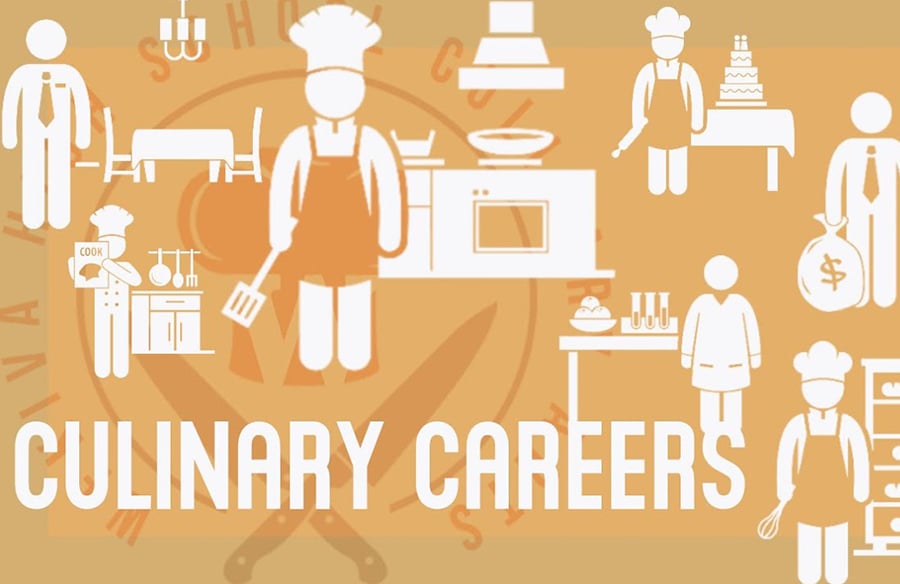
The culinary arts industry offers an array of career opportunities beyond the traditional role of a chef. Whether you have a passion for food preparation, management, or innovation, there is a career path to suit your interests and skills. If you are considering a career in culinary studies, you will find that the possibilities are vast and varied. Below, we explore 12 exciting culinary arts careers you can pursue in the food industry.
1. Executive Chef: Leading the Culinary Brigade
An executive chef is the pinnacle of culinary careers. They are responsible for overseeing the kitchen operations, creating menus, managing staff, and ensuring the quality of the food served. Executive chefs are not just cooks; they are skilled business leaders who know how to manage finances, create recipes for joy and profit, and build amazing teams. According to the Bureau of Labor Statistics, the median annual wage for chefs and head cooks was $53,380 in May 2023.
Key Responsibilities:
- Designing menus and recipes
- Managing kitchen staff and operations
- Overseeing food preparation and presentation
- Ensuring compliance with health and safety regulations
Career Path:
- Culinary school education
- Experience as a line cook, sous chef, and head chef
- Continuous learning and adaptation to culinary trends
2. Recipe Developer: Crafting Culinary Creations
Recipe developers create new recipes for cookbooks, magazines, restaurants, and food companies. This role requires a well-developed understanding of ingredients, cooking techniques, and food safety. Recipe developers often work closely with chefs and food scientists to ensure their creations are both delicious and safe to eat.
Key Responsibilities:
- Developing and testing new recipes
- Writing clear and detailed recipe instructions
- Collaborating with chefs and food scientists
- Staying updated on food trends and consumer preferences
Career Path:
- Culinary education or relevant experience
- Strong writing and communication skills
- Experience in a professional kitchen or food company
3. Personal Chef: Tailoring Culinary Experiences
Personal chefs prepare meals for private clients, offering a personalized dining experience. This role allows chefs to work independently and create customized menus based on their clients’ preferences and dietary needs. Personal chefs often have flexible schedules and the opportunity to build close relationships with their clients.
Key Responsibilities:
- Planning and preparing meals for clients
- Shopping for ingredients and managing inventory
- Customizing menus based on dietary needs and preferences
- Maintaining a clean and organized kitchen
Career Path:
- Culinary school or relevant experience
- Strong interpersonal and organizational skills
- Building a client base through networking and referrals
4. Food Stylist: Making Food Look Irresistible
Food stylists are responsible for making food look appealing in photographs and videos. They work with photographers, advertisers, and publishers to create visually stunning food presentations. This role requires a keen eye for detail, creativity, and an extensive knowledge of food aesthetics.
Key Responsibilities:
- Styling food for photography and video shoots
- Collaborating with photographers and art directors
- Using various techniques to improve the appearance of food
- Staying updated on food styling trends
Career Path:
- Culinary or art education
- Experience in food styling or related areas
- Building a portfolio of styled food photographs
5. Pitmaster: Mastering the Art of Barbecue
Pitmasters specialize in barbecue, smoking meats to perfection over long periods. This role requires patience, attention to detail, and a strong understanding of different smoking techniques and flavors. Pitmasters often work in barbecue restaurants, food trucks, or catering companies.
Key Responsibilities:
- Smoking meats and preparing barbecue dishes
- Managing smokers and grills
- Experimenting with different wood types and smoking techniques
- Ensuring food safety and quality
Career Path:
- Culinary education or relevant experience
- Hands-on training with experienced pitmasters
- Continuous learning and experimentation
6. Chocolatier: Crafting Sweet Masterpieces
Chocolatiers specialize in creating chocolate confections, from truffles and bonbons to elaborate chocolate sculptures. This role requires precision, creativity, and a deep understanding of chocolate tempering and molding techniques. Chocolatiers often work in pastry shops, chocolate boutiques, or as independent artisans.
Key Responsibilities:
- Creating chocolate confections and sculptures
- Experimenting with flavors and textures
- Ensuring the quality and consistency of chocolate products
- Packaging and presenting chocolate creations
Career Path:
- Pastry or culinary school education
- Apprenticeship with experienced chocolatiers
- Building a portfolio of chocolate creations
7. Chef Consultant: Providing Culinary Expertise
Chef consultants offer their culinary expertise to restaurants, food companies, and other businesses. They may help develop menus, improve kitchen operations, or create new food products. This role requires extensive culinary knowledge, problem-solving skills, and the ability to adapt to different environments.
Key Responsibilities:
- Advising clients on culinary and operational improvements
- Developing menus and recipes
- Training kitchen staff
- Conducting market research and staying updated on food trends
Career Path:
- Extensive culinary experience
- Strong communication and consulting skills
- Building a network of clients and industry contacts
8. Pastry Chef: Creating Delectable Desserts
Pastry chefs specialize in creating baked goods and desserts, from cakes and pastries to chocolates and confections. This role requires precision, creativity, and knowledge of baking techniques and ingredients. Pastry chefs often work in restaurants, hotels, bakeries, or as independent artisans.
Key Responsibilities:
- Creating and decorating pastries and desserts
- Experimenting with flavors and textures
- Ensuring the quality and consistency of baked goods
- Managing inventory and ordering ingredients
Career Path:
- Pastry or culinary school education
- Experience in professional kitchens or bakeries
- Continuous learning and experimentation
9. Ghost Restaurant Owner: Innovating in the Food Industry
Ghost restaurants, also known as virtual kitchens, operate exclusively for delivery and takeout. This business model allows entrepreneurs to focus on food quality and efficiency without the overhead costs of a traditional restaurant. Ghost restaurant owners need strong business acumen, marketing skills, and a passion for innovation.
Key Responsibilities:
- Developing and managing virtual restaurant concepts
- Creating menus and recipes
- Managing kitchen operations and staff
- Marketing and promoting the business
Career Path:
- Culinary or business education
- Experience in the food industry
- Strong marketing and operational skills
10. Restaurant Manager: Ensuring Smooth Operations
Restaurant managers oversee the daily operations of a restaurant, ensuring that everything runs smoothly and efficiently. This role requires strong leadership, organizational skills, and expertise in the food and beverage industry. Restaurant managers often start their careers in entry-level positions and work their way up.
Key Responsibilities:
- Managing staff and operations
- Ensuring customer satisfaction
- Overseeing inventory and ordering supplies
- Handling financial and administrative tasks
Career Path:
- Hospitality or business education
- Experience in various restaurant roles
- Strong leadership and organizational skills
11. Health Coach: Promoting Wellness Through Food
Health coaches help clients achieve their wellness goals through personalized nutrition and lifestyle plans. This role requires knowledge of nutrition and coaching techniques and the ability to motivate and support clients. Health coaches often work independently or as part of wellness centers.
Key Responsibilities:
- Assessing clients’ health and wellness goals
- Developing personalized nutrition and lifestyle plans
- Providing ongoing support and motivation
- Staying updated on nutrition and wellness trends
Career Path:
- Education in nutrition or health coaching
- Certification from a recognized health coaching program
- Building a client base through networking and referrals
12. Wedding Cake Designer: Crafting Celebration Showstoppers
Wedding cake designers create elaborate and beautiful cakes for weddings and other special occasions. This role requires a blend of baking skills, artistic talent, and attention to detail. Wedding cake designers often work in bakeries, pastry shops, or as independent artisans.
Key Responsibilities:
- Designing and creating custom wedding cakes
- Experimenting with flavors and decorations
- Ensuring the quality and consistency of cakes
- Meeting with clients to discuss their vision and preferences
Career Path:
- Pastry or culinary school education
- Experience in cake decorating and design
- Building a portfolio of wedding cake creations
Conclusion
The culinary arts industry offers a wide range of career opportunities for those passionate about food. Whether you are interested in cooking, management, design, or sustainability, there is a career path that can suit your interests and skills. By pursuing a career in the culinary arts, you can turn your passion for food into a rewarding and fulfilling profession.







