

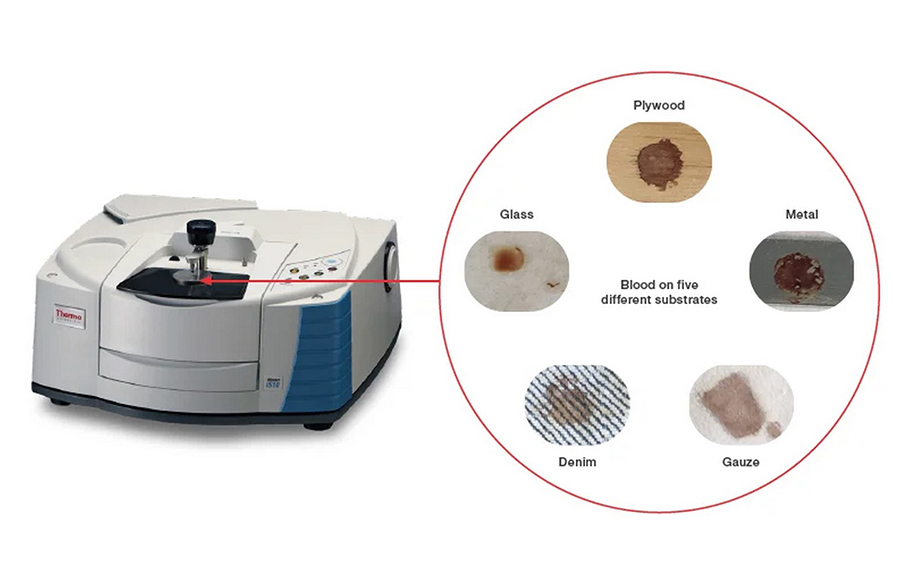
Fourier-transform infrared (FTIR) spectroscopy is a powerful analytical technique used to identify and quantify materials by measuring their infrared absorption spectra. It’s widely used in fields such as chemistry, materials science, pharmaceuticals, and environmental analysis.
To get the most out of an FTIR spectrometer, it’s essential to understand how to use it effectively. Here’s a guide to help you maximize the accuracy and efficiency of your FTIR spectroscopy experiments.
1. Understanding the Basics of FTIR Spectroscopy
Before using Agilent FTIR spectroscopy instruments, it’s important to have a solid understanding of how the technique works. FTIR spectroscopy calculates how much infrared light a sample absorbs. Different molecular bonds absorb light at different wavelengths, creating a unique spectrum that acts as a molecular “fingerprint.” By analyzing this spectrum, you can identify the compounds present in the sample.
Key Components of FTIR Instruments:
Infrared Source: Emits a broad spectrum of infrared light.
Interferometer: Modulates the infrared light to generate an interferogram.
Sample Compartment: Where the sample interacts with the infrared light.
Detector: Converts the light into an electrical signal that is transformed into a spectrum.
2. Sample Preparation
Effective use of FTIR spectroscopy begins with proper sample preparation. The quality of your results is highly dependent on how well the sample is prepared.
Tips for Sample Preparation:
Solid Samples: Grind solid samples to a fine powder and mix with potassium bromide (KBr) to form a pellet. Ensure the pellet is thin and homogenous to allow for uniform light transmission.
Liquid Samples: Use a liquid cell with appropriate windows, such as calcium fluoride or zinc selenide, and ensure the cell is free from air bubbles.
Gaseous Samples: Use a gas cell with a sufficient path length and ensure that the sample pressure is within the optimal range for detection.
3. Instrument Calibration
Regular calibration of the FTIR instrument is crucial for obtaining accurate and reliable data. Calibration ensures that the wavenumber scale is correct and that the instrument’s sensitivity is optimal.
Calibration Steps:
Wavenumber Calibration: Use a polystyrene film, which has well-defined absorption peaks, to calibrate the wavenumber axis.
Baseline Correction: Perform a baseline correction to account for any instrumental drift or background noise that may affect the spectrum.
Beam Alignment: Ensure that the infrared beam is properly aligned with the sample compartment and detector to maximize signal strength.
4. Choosing the Right Measurement Mode
FTIR spectroscopy offers different measurement modes, each suited for specific types of samples and analyses.
Common Modes:
Transmission Mode: Ideal for thin samples such as films or pellets. The infrared light passes directly through the sample.
Attenuated Total Reflectance (ATR): Suitable for thick or opaque samples. The infrared light is reflected off the surface of the sample, and only the surface layers are analyzed.
Diffuse Reflectance (DRIFT): Used for powdered samples or rough surfaces. The light is scattered by the sample, and the scattered light is measured.
Choosing the correct mode is essential for obtaining accurate and representative spectra.
5. Optimizing Experimental Parameters
To use FTIR spectroscopy effectively, it’s important to optimize the experimental parameters to suit your specific sample and analysis needs.
Key Parameters:
Resolution: Higher resolution allows for better separation of closely spaced peaks but increases the measurement time. Choose a resolution that balances detail and efficiency.
Scan Number: Increasing the number of scans improves the signal-to-noise ratio but also lengthens the measurement time. A typical range is 16 to 64 scans.
Aperture Size: Adjust the aperture size to control the amount of light reaching the detector. A smaller aperture improves spectral resolution but reduces signal strength.
6. Interpreting FTIR Spectra
Interpreting FTIR spectra is a critical step in the analysis process. Each peak in the spectrum corresponds to a specific vibrational mode of a molecular bond.
Interpretation Tips:
Identify Peaks: Use reference libraries or databases to match the peaks in your spectrum with known absorption bands.
Quantitative Analysis: For quantification, measure the peak area or height and compare it to a calibration curve.
Check for Contaminants: Be aware of potential contaminants that could introduce extraneous peaks into the spectrum, such as water vapor or carbon dioxide.
7. Maintaining the Instrument
Regular maintenance of the FTIR instrument is essential for consistent performance and accurate results.
Maintenance Tasks:
Clean Optical Components: Regularly clean mirrors, lenses, and ATR crystals to prevent contamination and ensure optimal light transmission.
Check Desiccants: Replace desiccants in the sample compartment to prevent moisture buildup, which can interfere with measurements.
Software Updates: Keep the instrument’s software up to date to ensure compatibility with the latest analysis techniques and databases.
Maximizing the Potential of FTIR Spectroscopy
FTIR spectroscopy is a versatile and powerful tool, but its effectiveness depends on proper usage and maintenance. By understanding the principles of FTIR, preparing samples correctly, calibrating the instrument, choosing the appropriate measurement mode, optimizing parameters, and accurately interpreting spectra, you can achieve reliable and meaningful results.
Regular maintenance ensures that the instrument remains in top condition, allowing you to consistently perform high-quality analyses. Whether you’re a novice or an experienced user, following these guidelines will help you use FTIR spectroscopy instruments effectively in your research or industrial applications.







