

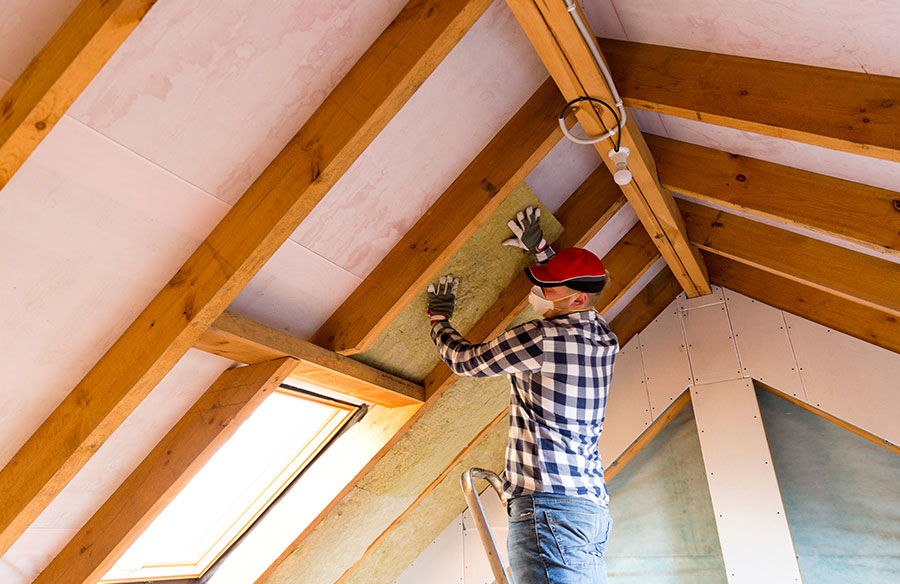
When building or maintaining a log cabin, one of the most crucial aspects to consider is the roof. The log cabin roof plays a vital role in protecting your home from the elements, and proper insulation is key to ensuring your cabin remains comfortable, energy-efficient, and long-lasting. Without adequate insulation, you may face higher energy bills, discomfort during extreme weather, and even structural issues down the line.
Why Insulating Your Log Cabin Roof is Essential
Log cabins are unique in their design and construction, making insulation a critical factor in maintaining the desired indoor environment. The roof, in particular, is where a significant amount of heat loss or gain can occur. During winter, a poorly insulated roof allows warm air to escape, leading to increased heating costs and an uncomfortably cold interior. Conversely, in summer, the roof can absorb excessive heat, making your cabin unbearably hot and forcing your cooling systems to work overtime.
Proper insulation helps to regulate the temperature inside your log cabin, ensuring that it remains comfortable year-round. This not only improves your living experience but also reduces energy consumption, making your cabin more environmentally friendly and cost-effective to maintain.
Types of Insulation for Log Cabin Roofs
There are several types of insulation materials available for log cabin roofs, each with its own set of benefits. The choice of material will depend on various factors, including your budget, the climate in your area, and the specific design of your cabin.
- Fiberglass Insulation: One of the most common and cost-effective options, fiberglass insulation is easy to install and offers good thermal performance. It comes in rolls or batts and can be fitted between the rafters of your log cabin roof. Fiberglass is also resistant to moisture, making it suitable for areas with high humidity.
- Spray Foam Insulation: This type of insulation provides an excellent air barrier and is ideal for sealing gaps and cracks in your roof. Spray foam insulation expands to fill the spaces it is applied to, creating a tight seal that helps prevent air leakage. It is more expensive than fiberglass but offers superior insulation performance.
- Rigid Foam Insulation: Rigid foam boards are another option for insulating your log cabin roof. They provide a high insulation value and can be installed over the roof deck or between the rafters. Rigid foam insulation is also moisture-resistant, making it suitable for areas with high rainfall.
- Reflective Insulation: This type of insulation is particularly effective in hot climates. Reflective insulation consists of a layer of foil that reflects radiant heat away from the cabin, helping to keep the interior cool. It is often used in conjunction with other insulation materials to enhance overall performance.
Benefits of Proper Roof Insulation
Proper insulation of your log cabin roof offers several benefits that go beyond just temperature regulation. These benefits include:
- Energy Efficiency: A well-insulated roof reduces the amount of energy needed to heat or cool your cabin, leading to lower utility bills. Over time, the savings on energy costs can offset the initial investment in insulation materials and installation.
- Increased Comfort: Insulation helps maintain a consistent indoor temperature, making your log cabin more comfortable to live in, regardless of the weather outside. This is especially important for cabins located in areas with extreme temperature fluctuations.
- Moisture Control: Insulation also plays a role in preventing moisture buildup within your roof structure. By reducing the likelihood of condensation, proper insulation helps protect against mold growth, wood rot, and other moisture-related issues that can compromise the integrity of your log cabin.
- Noise Reduction: Insulation can help reduce the amount of noise that enters your cabin from the outside. This is particularly beneficial if your cabin is located in a noisy area or if you simply want to create a more peaceful and serene environment inside.
- Increased Property Value: A well-insulated log cabin is more attractive to potential buyers, as it promises lower energy costs and a more comfortable living environment. Investing in proper insulation can, therefore, increase the resale value of your property.
Tips for Insulating Your Log Cabin Roof
When insulating your log cabin roof, it’s important to work with experienced professionals who understand the unique challenges of log cabin construction. Here are a few tips to ensure the best results:
- Conduct a Thorough Assessment: Before choosing insulation materials, have your roof assessed to determine the most suitable type of insulation for your cabin’s design and location.
- Seal Gaps and Cracks: Ensure that all gaps and cracks in your roof are sealed before installing insulation. This will prevent air leakage and improve the overall effectiveness of the insulation.
- Consider Ventilation: Proper ventilation is essential to prevent moisture buildup and ensure the longevity of your roof. Make sure that your insulation plan includes provisions for adequate ventilation.
- Maintain Regular Inspections: Regular inspections of your roof insulation will help identify any issues early on and allow for timely repairs. This will ensure that your insulation continues to perform effectively over time.
Conclusion
Investing in proper insulation for your log cabin roof is essential for maintaining a comfortable, energy-efficient, and durable living space. With the right insulation materials and installation techniques, you can enjoy a cozy cabin year-round while reducing your environmental footprint and energy costs. Whether you’re building a new log cabin or upgrading an existing one, prioritizing roof insulation will pay off in both comfort and long-term savings.







