
Recent technological innovations have enormously impacted numerous fields, including architecture. Modern architecture now incorporates technological breakthroughs that enhance sustainability, usability, aesthetic design, structural integrity, and aesthetic design. This article investigates smart technology’s application within modern architecture, specifically how these developments have altered built environments. If you need assistance writing your own complex essay, get help with your architect papers from SpeedyPaper.
Smart Technologies: Transforming Architectural Design and Functionality
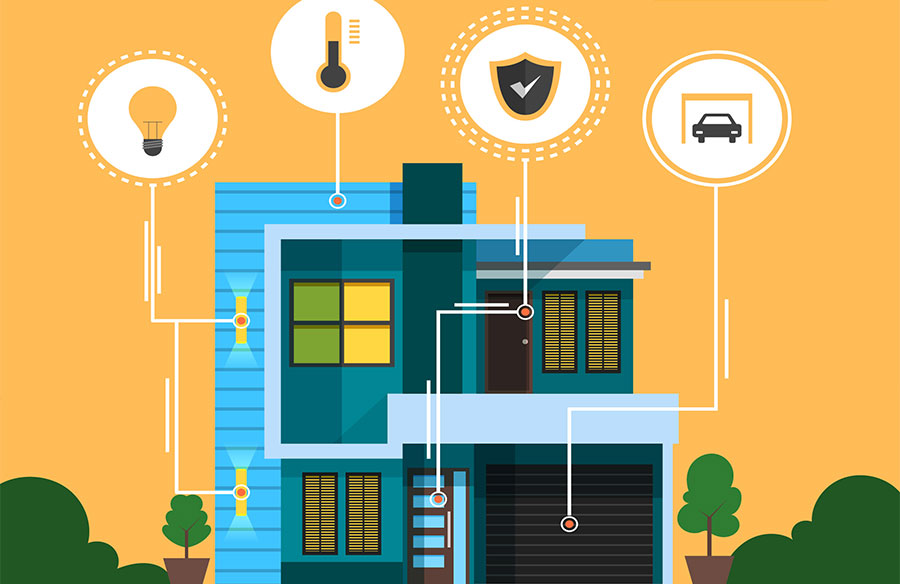
Smart technologies have revolutionized building design and operation, increasing adaptability, efficiency, responsiveness to users, and adaptability. One feature of this transformation is Internet of Things (IoT) devices, which facilitate communication among various building systems; also, real-time monitoring and management of environmental elements like temperature, lighting, and air quality is possible through IoT for maximum comfort while saving energy.
Today’s architects can design smart buildings that adjust automatically to changing circumstances, such as smart thermostats learning the occupancy patterns of a building and altering heating and cooling systems accordingly; similarly, smart lighting systems may adjust light intensity in response to natural sunlight availability for maximum energy efficiency and comfortable living or working environments.
Enhancing Sustainability Through Smart Technologies
Sustainability has become an essential aspect of modern design due to the increasing pressures placed upon buildings from environmental concerns, and cutting-edge sensors and data analytics technology are used to promote it. Smart technology helps architects craft structures with less waste and resource consumption.
Real-time monitoring of water use using smart water management systems enables real-time detection of leaks or wasteful usage patterns, with immediate cutting off of supply to stop wastage. Furthermore, smart energy management systems may optimize the use of renewable sources like solar panels by storing extra energy in battery systems for later use or sending it back into the grid, maximizing use.
Improving Safety and Security with Smart Architecture
Architectural designs emphasize safety and security, and smart technology has significantly enhanced these aspects in contemporary structures. High-tech surveillance systems featuring AI-powered motion and face recognition and monitoring offer real-time warnings and monitoring to guarantee enhanced protection.
Smart access control systems that use biometric information such as fingerprint or face recognition provide easy and safe entry to buildings, making emergency response protocols possible in cases of natural catastrophe or security breach by automating lockdowns or evacuations as soon as necessary.
Smart technology has also profoundly affected fire safety. Smart fire detection systems can automatically sound alarms, activate sprinkler systems, and notify emergency services of potential fire hazards. Furthermore, these sophisticated sensors detect heat, smoke, and gas leakage, allowing firefighters access to real-time data that helps expedite search efforts more effectively for causes.
Enhancing User Experience with Smart Buildings
Smart technology’s greatest contribution to contemporary architecture lies in improving user experience. Today’s buildings are dynamic spaces that engage meaningfully with those who inhabit them rather than being static structures; smartly connected structures may adapt to individual preferences for enhanced well-being, productivity, and comfort.
Home automation systems allow homeowners to create highly tailored living environments by controlling lighting, temperature, and entertainment via voice activation assistants. Commercial buildings may benefit from smart technology by customizing lighting and temperature settings for each employee to increase worker happiness and productivity.
With smart technologies at their disposal, architects can now design spaces that accommodate all users – including those with impairments – more effectively than ever. Voice instructions could be utilized by smart elevators for visually impaired individuals, while lighting systems could change brightness levels to meet the needs of light-sensitive users.
Conclusion
Modern architecture is revolutionized by smart technologies that foster creativity and shape the built environment. These innovations have dramatically changed building design and operation while increasing sustainability and security. As architecture progresses, smart technology will become ever more significant – offering opportunities to design spaces that function aesthetically pleasing and are intelligent and flexible, too.







