

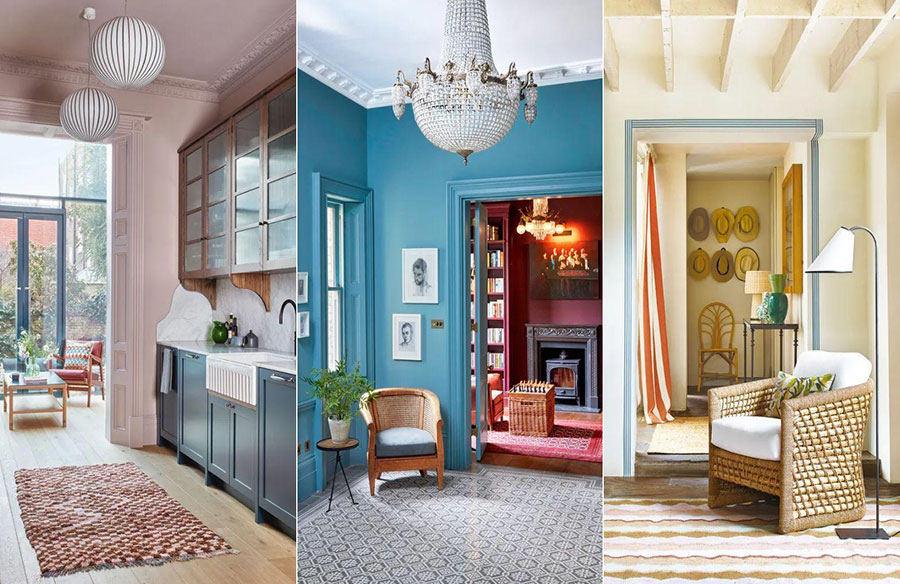
The field of interior design is diverse and sophisticated, and it is undergoing a dramatic transformation because of the advances in technology, concerns for the environment, and improved living standards. At the forefront of these changes is Gilroy interior, a company that exemplifies innovation and foresight in interior design. In this article, we will explore emerging interior design trends and how they are being embraced to shape the future of design.
Emerging Interior Design Trends
1. Sustainable and Eco-Friendly Design
Sustainability has become a very important factor as more and more people are becoming conscious of the environment and the need for green products. Contemporary interior designers, including young designers who are entering the field, are paying attention to the use of appropriate materials and processes that would not harm the environment. This can include the use of recycled and reclaimed products, energy-efficient lighting, and sustainable furniture. Many firms that have incorporated sustainable principles in their projects, where they have employed the use of green materials in construction, have motivated designers to come up with structures that are energy-saving.
2. Smart Homes and Technology Integration
This innovation has now found its way into homes and is revolutionizing the lives of people. Lighting, temperature control, security, and other issues are making homes more comfortable due to technological advancements. From the research, it can be seen that design firms have adopted to such innovations by incorporating smart home technology in their designs. Their projects include the most advanced home automation systems that make the living experience even more convenient.
3. Biophilic Design
Biophilia is one such design trend that is emerging and focuses on bringing nature indoors, that is, reconnecting man with nature. As its name suggests, this trend incorporates plants, natural light, and organic materials into interior design. The concept is simple – make people’s lives happier and less stressful by bringing elements of nature into their homes. designing home interiors with biophilic principles in mind allows for a harmonious blend of the built environment and the natural world, and industrialists are especially skilled in creating environments where this interaction is achieved with a calm visual appearance.
4. Multifunctional Spaces
Due to the increase in the population and the availability of small flats in big cities, there is a need for a multifunctional space. Interior designers are increasingly coming up with flexible spaces, that is, living and working spaces, or furniture with multiple functions. Major companies have adopted this trend by coming up with open and effective working spaces that are not only useful but also aesthetic.
Paving the Way in Interior Design
While some Interior Design Companies are just catering to these trends, others are setting them. The working principle of interior design can be defined as innovative, environmentally friendly, and customer-centric. Here are some specific ways in which leading firms are setting industry standards:
Innovative Use of Materials
Probably one of the most important characteristics of market-leading interior design firms is the ability to creatively incorporate materiality. They incorporate the use of some unorthodox materials within their products such as recycled wooden, metal and synthetic composites. It not only provides a feeling of style but also a feeling of sustainability in the design.
Emphasis on Personalization
One of the most important factors that define the difference between leading interior design firms and others is the degree of customization. They believe that each room should reflect the personality and lifestyle of the inhabitants of a particular space. In this case, by consulting the client, they can come up with clothes that will be in line with the client’s specifications. This puts them in a different league from the rest of the companies in the industry and also ensures that no two projects are the same.
Future-Ready Designs
In the interior design industry, one of the key strategic capabilities of leading players is trend forecasting capability. They do this by ensuring that they engage in research and trials of new designs and technologies all the time. Such a futuristic outlook enables them to explore strategic uses of emerging trends, allowing them to keep generating designs that are still relevant and useful in the future.
Preparing for the Future
With these trends in mind, it can be seen that the interior design profession will not be stagnant in the future. Companies like Gilroy Interiors will have the crucial task of leading this change. By adopting the concept of sustainability, integrating smart solutions, and following the individual approach they set high standards for others. The materials provided by the leading interior design firms are valuable lessons regarding how to utilize and reciprocate particular trends in interior design. Hence, it is possible to conclude that the future of interior design is quite promising, and many interesting tendencies and innovations are awaiting interior designers. Companies such as Gilroy Interiors prove that embracing such changes leads to enhancing aesthetic value, functionality, and sustainability of living spaces. With that in mind, it is crucial to embrace this trend and try to create interiors that are not only aesthetically pleasing but also progressive and environmentally friendly.







