

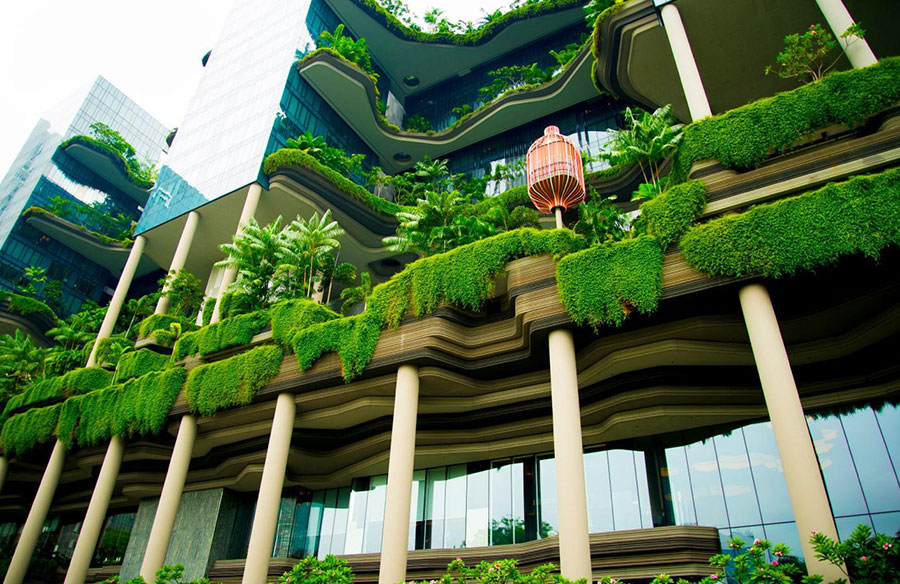
In the evolving landscape of modern architecture, the concept of sustainable homes has taken center stage. These eco-friendly dwellings promise reduced environmental impact, energy efficiency, and a healthier living environment. However, as with any burgeoning movement, there’s an ongoing debate: are sustainable homes a genuine shift in architectural practice or merely a trend marked by greenwashing?
Greenwashing vs. Genuine Sustainability
Greenwashing is a term used to describe superficial or misleading information about the sustainability or environmental benefits of products, services, or practices. In the architectural field, the term may apply to labels or claims about projects that, in reality, provide minimal or zero environmental benefits despite what they advertise. For example, when looking at Puerto Vallarta homes for sale, some developments might promote themselves as eco-friendly or sustainable without offering clear proof of how these environmental benefits are achieved. In such cases, the architectural firms might label their projects as beneficial to the environment, but with little evidence to support these claims. Genuine sustainability in architecture involves clear proof of how a project’s environmental benefits are realized, often through a combination of thoughtful designs aimed at minimizing the building’s impact on the environment, rather than a one-size-fits-all approach.
Examples of Greenwashing in Architecture
The “Green” Façade
Some architectures might add green roofing to a building project design or pieces of ‘green’ components into the building and claim it to be sustainable without clear systems of efficacy energy systems, water conservation, and renewable materials. However, without the integration of practical green techniques in a building any claims of a sustainable green project less the green strategies is just mere cosmetics.
Misleading Certifications
Gaining basic certifications of a project as green is not proof enough of the project being sustainable and green. Rather, it is clear that the steps to achieve sustainability in the building project commonly involve using efficacy energy systems, renewable materials, water conservation, and waste management designs. Therefore, mere certifications of building projects as green without clear proof of how sustainability is achieved is another common form of greening brainwashing.
Genuine Sustainability in Architecture
Genuine sustainability or green architecture involves a combination of the following examples.
Integrated Design Approaches
genuine design approaches involve a combination of renewable energy sources integration like the use of solar, wind turbines, or even geothermal in the building energy systems. The plan must also include energy-efficient HVAC systems and effective insolation.
Life Cycle Assessment (LCA)
True sustainability considers the full lifecycle of the building from sourcing of materials to construction, operation, and eventually the decommissioning of the building. The idea is to achieve the most practical strategies of reducing the carbon footprint who tin every stage of the building development.
Water Conservation
Integrating effective water conservation designs into a building project are hallmark of genuine sustainability. This includes rainwater harvesting, recycling of grey water, and even low-flow fixtures.
Use of Sustainable Materials
The source of building materials is a key sustainability element of every building project that claims to be green. The use of renewable materials like recyclables reclaimed and even sustainably sourced materials are great choices for green buildings.
Authenticity of Claims: How to Discern
To distinguish between green washing and authentic sustainable architectural projects, consumers and industry professionals can look out for the following.
Third party certification
Besides the basic sustainability certification provided for deemed green architectural projects, it is important to verify the sustainability of these projects from accredited and reputable third-party certifications.
Transparency reporting
Transparency in reporting the environmental performance of projects is a key authenticity feature of green architectural projects. The projects must provide transparent clear performance records of the projects and proof of how sustainability is achieved through the whole life cycle of the projects as opposed to claims of pieces of greening as part of the projects.
Community empowerment
Green architectural projects, including those involving commercial property, go beyond the structural and engineering designs that seek to conserve the environment and reduce pressure on natural resources. These projects also encompass the cultural and economic properties and the empowerment of local communities where the developments take place. Therefore, sustainable architectural projects, whether residential or commercial, must demonstrate clear strategies to involve the local community in the development process and help reflect and preserve the local culture.
NuHome Mexico stands out as a beacon of genuine sustainability in the field of modern architecture. Their approach goes beyond the superficial to create truly eco-friendly homes, a commitment that’s evident in their projects, including Puerto Vallarta homes for sale.
While the debate between greenwashing and genuine sustainability continues, the future of modern architecture lies in the authentic and comprehensive integration of eco-friendly practices. Developers like NuHome Mexico exemplify how sustainable homes can be more than just a trend—they can be a transformative approach to building that benefits both people and the planet. As consumers become more educated and demand greater transparency, the architectural landscape will likely see a shift towards more genuinely sustainable practices, ensuring that sustainable homes are indeed the future.







