

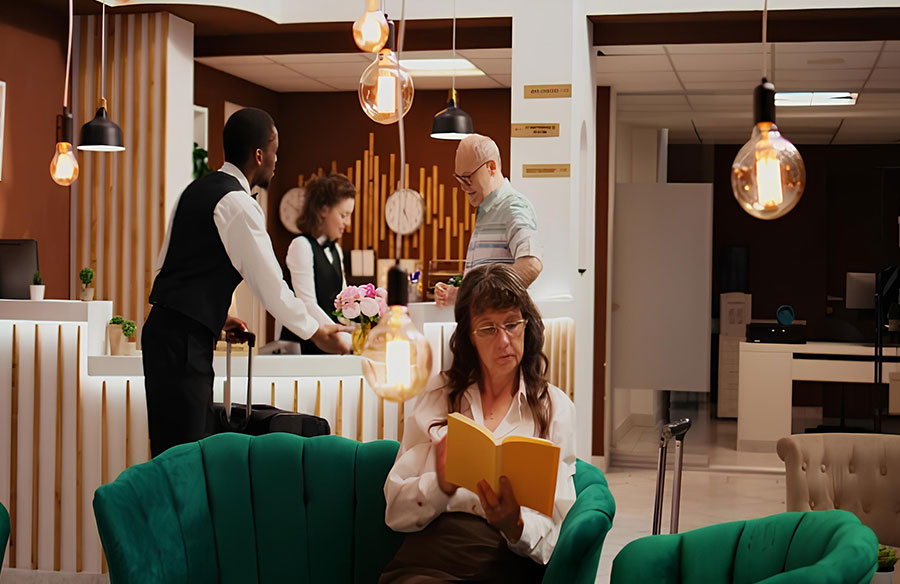
In the competitive world of hospitality, creating unforgettable guest experiences is paramount. The design and architecture of a hotel, resort, or restaurant play a crucial role in shaping these experiences. Hospitality architects specialize in crafting spaces that are not only functional but also aesthetically pleasing, comfortable, and reflective of the brand’s identity. This blog post will explore the role of hospitality architects, the principles they follow, and how they design memorable guest experiences.
The Role of Hospitality Architects
Hospitality architects are professionals who design and plan buildings and spaces within the hospitality industry. Their work encompasses a variety of establishments, including hotels, resorts, restaurants, and event venues. Their primary goal is to create environments that enhance the guest experience, meet the operational needs of the business, and align with the brand’s vision.
Key Responsibilities
- Concept Development: Collaborating with clients to understand their vision, target audience, and brand identity. This stage involves brainstorming and developing design concepts that reflect the desired guest experience.
- Space Planning: Efficiently utilizing space to ensure functionality and flow. This includes layout design, optimizing guest rooms, common areas, and back-of-house operations.
- Aesthetic Design: Creating visually appealing environments that evoke specific emotions and enhance the guest experience. This includes selecting materials, colors, lighting, and furnishings.
- Sustainability: Integrating sustainable practices and materials to reduce environmental impact and create energy-efficient buildings.
- Regulatory Compliance: Ensuring designs meet all local building codes, health and safety regulations, and accessibility standards.
- Project Management: Overseeing the entire design process, from initial concept to final construction, coordinating with contractors, engineers, and other stakeholders.
Principles of Hospitality Design
Creating memorable guest experiences requires a deep understanding of several design principles. Hospitality architects focus on the following key elements:
1. Functionality
The design must serve the practical needs of both guests and staff. This includes easy navigation, efficient use of space, and accommodating various functions within the property. For example, a hotel lobby should facilitate check-in processes while also providing a welcoming atmosphere for guests to relax.
2. Comfort
Guest comfort is paramount in hospitality design. Architects consider factors such as room size, bed quality, temperature control, noise reduction, and ergonomic furnishings. Creating comfortable spaces encourages guests to relax and enjoy their stay.
3. Aesthetics
The visual appeal of a hospitality space significantly impacts the guest experience. Architects use color schemes, textures, lighting, and artwork to create a cohesive and inviting environment. The aesthetics should align with the brand’s identity and evoke the desired emotional response from guests.
4. Authenticity
Authentic design reflects the local culture and heritage, offering guests a unique and immersive experience. Incorporating local materials, artwork, and design elements helps create a sense of place and connection with the destination.
5. Flexibility
Hospitality spaces often need to serve multiple purposes and adapt to changing needs. Flexible design allows for easy reconfiguration of spaces to accommodate different events, group sizes, and activities. For example, a conference room may be designed to easily transform into a banquet hall.
6. Sustainability
Sustainable design practices are increasingly important in the hospitality industry. Architects incorporate energy-efficient systems, renewable materials, and waste reduction strategies to minimize environmental impact. Sustainable design not only benefits the environment but also appeals to eco-conscious guests.
Designing for Memorable Experiences
Hospitality architects employ various strategies to design spaces that leave a lasting impression on guests. Here are some ways they achieve this:
1. Creating Unique Themes
Themed designs offer a distinctive experience that sets a property apart from competitors. Themes can be inspired by the local culture, historical eras, natural landscapes, or specific activities. For instance, a beachfront resort may feature nautical-themed decor, while a mountain lodge might incorporate rustic elements and natural materials.
2. Enhancing Guest Interaction
Spaces that facilitate social interaction and engagement contribute to memorable experiences. Architects design common areas such as lobbies, lounges, and outdoor spaces to encourage guests to mingle, relax, and enjoy activities together. Features like communal seating, interactive displays, and entertainment options enhance guest interaction.
3. Integrating Technology
Modern technology enhances convenience and personalization in hospitality design. Smart room controls, touchless check-in systems, and integrated entertainment options improve the guest experience. Additionally, architects design spaces with the necessary infrastructure to support advanced technology seamlessly.
4. Prioritizing Wellness
Wellness-focused design promotes relaxation and rejuvenation. This includes incorporating natural elements like plants and water features, designing spa and fitness facilities, and ensuring ample natural light. Wellness-oriented spaces create a tranquil atmosphere that encourages guests to unwind and recharge.
5. Emphasizing First Impressions
First impressions are critical in the hospitality industry. Architects pay special attention to entrance areas, lobbies, and reception spaces to ensure they are welcoming and impressive. Grand entrances, striking artwork, and thoughtful lighting design contribute to a positive initial experience for guests.
Case Study: A Successful Hospitality Design
Consider the example of a luxury boutique hotel that sought to create an unforgettable guest experience by embracing local culture and heritage. The hospitality architects collaborated with local artists and craftsmen to incorporate traditional artwork, textiles, and materials into the design. Each room featured unique decor elements inspired by the region’s history, offering guests an authentic and immersive experience. The common areas were designed to encourage social interaction, with cozy lounges, a vibrant bar, and outdoor terraces overlooking stunning landscapes. Sustainable practices were integrated throughout the property, including energy-efficient lighting, locally sourced materials, and a rooftop garden. This holistic approach to design resulted in a property that resonated with guests and stood out in a competitive market.
Conclusion
Hospitality architects play a crucial role in shaping memorable guest experiences. By combining functionality, comfort, aesthetics, authenticity, flexibility, and sustainability, they create spaces that delight and inspire guests. Whether designing a luxury resort, a boutique hotel, or a trendy restaurant, the expertise of hospitality architects ensures that every detail contributes to an exceptional and unforgettable stay. Investing in professional hospitality design is an investment in guest satisfaction, brand reputation, and long-term success.







