

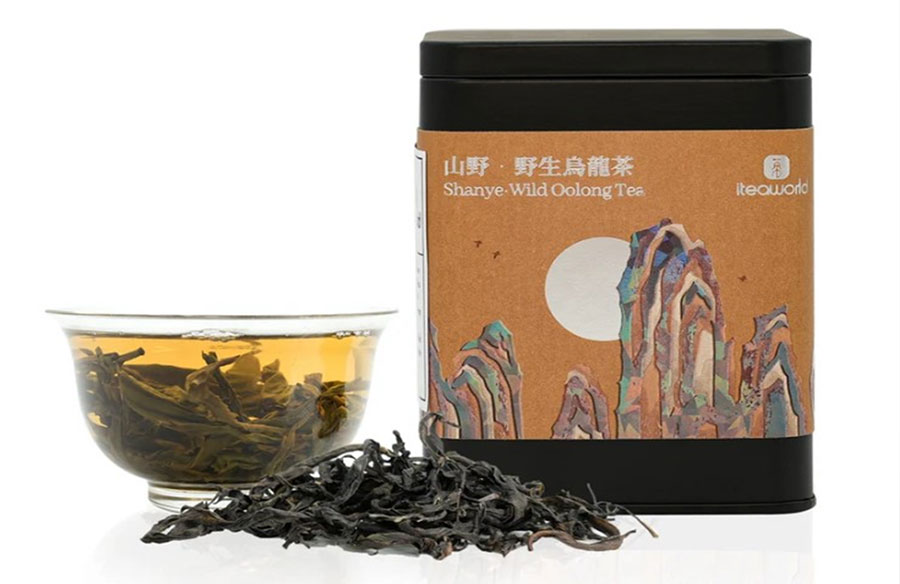
Oolong tea is one of the family’s finest and most exotic teas. It is cherished by tea lovers worldwide, especially in China. Oolong tea is rarer than other tea types like green tea and black tea, so many wonder what it tastes like. In this article, we will tell you all about Oolong tea.
What is Oolong Tea?
Oolong tea originated in China and is called ‘qingcha’ there. This type of loose-leaf tea is highly valued worldwide and has many health benefits. In addition to being a great-tasting beverage, Oolong tea also helps to keep you fit and active.
Oxidation
Green tea, black tea, or any other type of tea have one main similarity: Camellia Siensis is the plant used for their production. The only difference occurs in the tea when the teas are oxidised. The oxidation process completely changes the taste and appearance of the tea.
Oxidation Level of Green Tea and Black Tea
The green tea is not oxidised at all. When the farmers pick the tea leaves, they subject them to extreme heat with the help of fire. This oxidation gives Chinese tea a fresh look and appearance. On the other hand, black tea leaves are broken, which speeds up their oxidation process and makes the black tea highly oxidised.
Oxidation Level of Oolong Tea
On the other hand, oolong tea’s oxidation state occurs somewhere between green tea leaves and black tea. Different oolong tea is present on various oxidation state levels that significantly affect the taste of oolong tea, which we will discuss later.
Leaf Colour
The colour of the Oolong tea leaves ranges from a darker tone of green to brown. The colour highly depends upon the oxidation level to which the producer subjected the leaves during their production.
What Does Oolong Tea Tastes Like?
Oolong tea, which the producer subjects to less oxidation during production, tastes floral, fresh and sweet. Oolong tea, which the tea producer subjects to a high oxidation state, has a toasty and nutty taste. It also has a hint of bitterness.
The factor that Affects the Taste of the Tea
One critical factor affecting Oolong tea taste is the geographical position and conditions in which the tea plant is grown. This effect is similar to how grapes make wine, but the taste varies depending on where the grapes were grown.
How to Prepare Oolong Tea?
Oolong tea’s preparation process is relatively straightforward. Still, a lot of people brew tea the wrong way. Take the following steps to prepare Oolong tea:
- Fill a saucepan with water, place it on a stove, and bring the water to a boil.
- Take the boiling water off the stove and let it cool down for precisely two minutes.
- Place your Oolong tea leaves in the cooled water and steep them for two minutes.
- Your tea is ready. Enjoy
Benefits of Oolong Tea
Oolong tea has many health benefits, which make it an excellent choice for fitness enthusiasts. These benefits come from the catechins present in it due to not being oxidised to the extreme, along with the anti-oxidants that are also naturally present in the leaves of the tea plants.
Safety From Cancer
The Anti-oxidants in the Oolong tea protect against lethal diseases like cancer. These antioxidants fight against the free radicals that might enter your body from any source. They help your body get rid of these free radicals, which saves you from different forms of cancer, such as:
- Breast Cancer
- Lung Cancer
- Prostrate Cancer
- Colorectal Cancer
Safety From Heart Disease
The antioxidants found in the tea also help your body to maintain normal cholesterol levels. When the level of cholesterol is average in your body, you get safe from major heart diseases such as:
- Stroke
- Heart Attack
- Blockage of Arteries
Weight loss
The catechins present in the oolong tea help you to lose weight. If you are on a weight loss journey, adding oolong tea to your diet can significantly benefit you. The catechins increase your metabolism, which helps you burn 3.4% more calories quickly than usual.







