

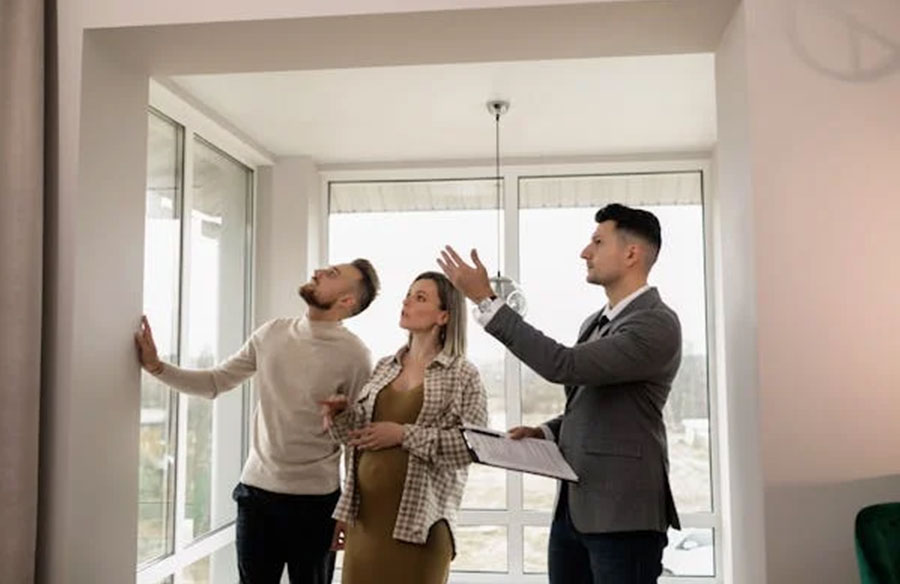
Everyone wishes to get the best offer and experience a smooth process when on a home sale mission. Whether you’re selling it to relocate, downsize, or upgrade to a larger property, it’s paramount to plan everything well and factor in the safety and security aspects. Aim to ensure your personal information won’t be compromised while the transaction remains intact. Here are five tips to help you ensure a safe and secure home-selling experience:
1. Verify Potential Buyers
Utilize online tools and databases to weed out any potential risks or scams and request proof of pre-approval or financing before scheduling showings. Genuine buyers will have no issues providing this information, while those with ulterior motives may hesitate or refuse. Request references from previous transactions to gauge their reliability and trustworthiness.
Be vigilant for any red flags during communications, such as reluctance to meet in person or pay earnest money. Remember to thoroughly vet potential buyers to minimize any risks related to fraudulent activities and protect yourself from scams.
2. Consider Working with Reputable Cash Buyers
When the sales procedure is short and efficient, chances of security issues tend to be low, which makes it a great idea to approach a fast home-buying company. These firms will streamline the transaction process differently from dealing with traditional buyers. You’ll also find cash methods more convenient and less susceptible to delays or last-minute complications.
The best cash home buyers, such as those at Nexus Homebuyers Knoxville, will have well-laid plans, ensuring their operation consistency. For property valuation, for instance, they will have accurate methods to ensure they set the right price for it. Safe transactions start with dealing with transparent companies. You should get every detail on their transaction processing time and inquire about the flexibility in choosing the closing date.
3. Protect Your Privacy
With so much to do during the selling process, it’s sometimes easy to forget about safeguarding sensitive information like your social security number and financial details. Always use secure platforms and embrace encryption in your conversations or chats to ensure there are no leaks or eavesdropping.
Be cautious when sharing photos of your home online, ensuring that identifiable features or valuables are not prominently displayed. Additionally, consider using a separate email address or phone number for property inquiries to prevent unwanted communication.
4. Secure Your Property
Security concerns must be kept minimal as you are listing the home. Consider taking measures to deter breaking and eliminating any that discourages visitors. You have practical approaches to take, like having robust locks at the entry point and having the outdoors well-lit.
You can also invest in smart home technologies such as smart locks and motion-detection lights to add value to your property while enhancing your home’s security and giving you peace of mind. If you’re hosting viewings yourself, always have someone else present for added safety.
5. Work with a Reputable Real Estate Agent
Through their extensive exposure to the selling processes and handling of different negotiations, they’ll be better positioned to advise you on actions to take. A reputable agent will also use robust security measures when showcasing properties to potential buyers. They will aim to work only with genuine parties, so they’ll require proof of funds and pre-approval before planning for viewing. Through thorough screening plus the implementation of secure lockbox systems, they’ll reduce the chances of risks to you as a seller.
Endnote
When selling a property, it’s easy to make the process less prone to safety risks when you plan everything well. Begin by approaching the right buyers who are open and open in their dealings. Stick to the right safety practices, such as safekeeping your documents.







