

Managing the intricate world of quick turn PCB projects can feel like walking through a minefield. With so many crucial steps and potential pitfalls, it’s easy to make a misstep. But don’t worry, I’m here to guide you through this complex landscape, illuminating common mistakes you’ll want to sidestep.
From design oversights to poor communication, these errors can delay your project and inflate costs. But with a little awareness and some strategic planning, you can avoid these common blunders. So, let’s examine and investigate how to streamline your quick turn PCB projects and keep them running smoothly.
Understanding Quick Turn PCB Projects
Dipping deep into the world of Quick Turn PCB projects, it’s pivotal to grasp the specifics that encapsulate these ventures.
Definition and Importance
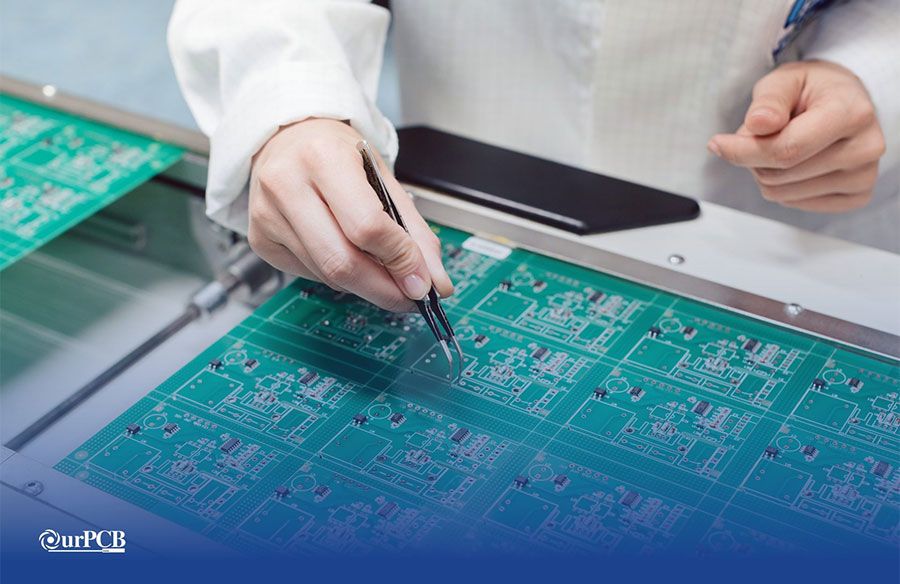
Quick Turn Printed Circuit Board (PCB) Projects depict a method in the electronics industry involving the quick production and delivery of PCBs. Realization of hardware prototypes falls under the high-priority tasks in these projects, leading to expedited efforts in their creation and assembly.
These swift production services stand pronounced in their importance. Considering the electronics industry, updated technology, and stringent project timelines become the determining factor for success. Quick Turn PCB Projects serve as a catalyst, amping up the pace of development while minimizing delays in the production phase. The ability to test and iterate swiftly allows for improved design accuracy and, thereby, enhanced high-quality deliverables.
The Rise of Quick PCB Manufacturing
The swift manufacturing process of PCBs has seen a fast-paced rise in recent years. With the tech industry perpetually evolving, the need for rapid iterations is increasing. Advancements in robotics, IoT devices, and other tech sectors demand quick developments to stay abreast and competitive.
Rapid PCB manufacturing facilitates concise testing cycles, earlier detection of flaws, and quicker corrections. The manufacturing industry has embraced this change, given the undeniable advantage it presents for project timelines and overall market responsiveness.
Steps taken toward the adoption of Quick PCB manufacturing also echo the entwined relationship between technology advancement and time efficiency. In a world where the only constant is change, Quick Turn PCB Projects hold the key to staying ahead – fostering innovation at breakneck speeds.
Common Mistakes in Quick Turn PCB Projects
Accuracy and speed, the hallmarks of Quick Turn PCB Projects, demand a focused approach. Knowingly or not, while managing these complex projects, I stumbled upon a few common pitfalls. They often include inadequate design planning, miscommunication with manufacturers, and ignoring testing and quality assurance. Let’s look deeper into these aspects.
Inadequate Design Planning
Unquestionably, meticulous design planning tops the list of prerequisites for successful Quick Turn PCB projects. Without a well-incorporated plan, the project faces numerous errors. It’s an open door to redundant iterations and costly modifications. The earlier design flaws get detected, the greater the chance to mitigate unnecessary cost escalations. For instance, a substandard power supply design can lead to inefficient energy use and excessive heat, causing potential damage to your project.
Miscommunication with Manufacturers
Communication forms the crux of the product development lifecycle. Yet, a common mistake that becomes evident is miscommunication or inconsistency in conveying requirements to PCB manufacturers. Precise documentation detailing not just the design, but peripheral tasks too, is paramount. If I provide a layout file without referencing drill files or do not specify the board layers correctly, it gives room for avoidable errors. Remember, manufacturers aren’t mind readers. All specifics, including board thickness, hole size, solder mask type, need explicit mention to avoid inconsistencies and excessive lead times.
Ignoring Testing and Quality Assurance
Another rampant pitfall is overlooking the importance of thorough testing and Quality Assurance. People often succumb to the temptation of skipping this step, especially when deadlines loom. But I’ll tell you, conveying an incomplete or faulty project is far worse. Partial or complete project failure can lead to loss of trust, increased downtime and inflated costs in troubleshooting and reworks. Let’s take an example of a multilayer PCB design. If this design is not appropriately tested for signal integrity, the final product may not function as intended. The best approach is to implement a robust testing and quality maintenance protocol, ensuring product compliance with prevailing standards and user expectations.
Consequences of Mistakes in PCB Projects
Mistakes in quick turn PCB projects aren’t mere blips on the radar; they have staring roles in the resulting consequences. From financial to operational, internal to customer relationships, these impacts pack a punch. Below, I examine deeper into two key consequences: cost overruns and delays or failures.
Cost Overruns
Inadequate design planning, poor communication, and ignoring quality checks are primary culprits in costing the project more than estimated. Mistakes in design planning, for instance, create reworks, increasing both material and labor costs. This cascade of extra expenses then snowballs into an overall cost overrun, significantly denting the project budget.
Miscommunication with suppliers or partners also pushes expenses north. Misunderstood specifications or misaligned goals can result in reworks, waste, or even complete scrap. Lastly, overlooking testing and quality assurance steps may present short-term savings but have long-term damaging influence. Faulty products reaching the market can result in product recalls, customer returns, and perhaps even lawsuits — all of which carry heavy price tags.
Delays and Failures
Apart from monetary implications, another common consequence is delay and potential failure in projects. These also root from mistakes made during design, communication, and quality checks.
On design, last-minute alterations due to overlooked elements halt the project timeline. More so when these changes require reprogramming of automated manufacturing equipment. Inefficient communication disrupts the smooth running of timelines too. If, for example, a question about a component specification goes unanswered, the production can halt, or worse, proceed with wrong specifications.
Ignoring the importance of vigorous testing and quality assurance means increasing the risk of project failures. When unchecked flaws lead to the market, there’s a strong chance products fail post-sale. Besides tarnishing the brand image, these failures can consume valuable time in remedial actions — delays that carry a price beyond monetary measure.
Best Practices to Avoid Mistakes
In the chaotic world of quick turn PCB projects, steering clear of common mistakes plays a pivotal role in determining success. Considering the intricacies revealed earlier in this article, my focus now shifts to walking you through practical mitigations and best practices.
Comprehensive Design Review
A thorough design review marks the beginning of a successful quick turn PCB project. This involves cross-checking schematics, verifying design rules, and removing redundancies. Humans err, software glitches happen; double-checking your layout for potential discrepancies is an essential best practice. For instance, checking track widths, clearances, and vias helps spot oversights that would otherwise snowball into colossal problems during manufacturing.
Choosing the Right PCB Manufacturer
Not every manufacturer is cut out for quick turn PCB projects. Selecting the right partner could entail the difference between success and failure. Key points to consider while choosing include manufacturing capabilities, lead times, and communication protocols. Decisions here are typically guided by the project’s unique demands. Let’s assume you need a high-density interconnect (HDI) board completed in a short time. In such a scenario, partnering with a manufacturer who lacks HDI experience or operates on extended lead times isn’t advisable.
Emphasizing Testing and Quality Control
Even the most carefully constructed quick turn PCBs can falter if they are not rigorously tested and scrutinized under stringent quality control parameters. Emphasizing these aspects is non-negotiable for fruitful completion. Board testing ensures functionality while quality control maintains consistency in the production process. For example, performing Automated Optical Inspection (AOI) and Functional Circuit Testing (FCT) help in identifying and mitigating potential risks before they escalate to unmanageable proportions.
Conclusion
Managing the complexities of quick turn PCB projects doesn’t have to be like walking through a minefield. By sidestepping common pitfalls such as design oversights and poor communication, you can steer clear of unnecessary delays and cost overruns. Remember, the keys to a successful project lie in meticulous planning, clear communication, and rigorous testing. These are not just best practices, they’re your safeguards against costly errors. So, don’t skimp on comprehensive design reviews, choose your PCB manufacturer wisely, and make quality control a priority. With these strategies in place, you’ll be well-equipped to tackle any quick turn PCB project that comes your way. Here’s to your success in avoiding common mistakes and delivering successful, cost-effective PCB projects.
What are Quick Turn PCB Projects?
Quick Turn PCB projects involve the fast production and delivery of Printed Circuit Boards (PCBs), offering a solution for urgent needs in industries like consumer electronics and automotive.
What are common mistakes during Quick Turn PCB Projects?
Common mistakes include design oversight, poor communication with manufacturers, inadequate planning, and neglecting testing and quality assurance. These could lead to higher costs, delays, or even project failures.
What are the consequences of these mistakes?
The consequences of these mistakes generally involve cost overruns and project delays. The financial and operational impacts can be substantial, making it vital to avoid these errors.
How can these mistakes be prevented?
Mistakes in Quick Turn PCB Projects can be prevented through meticulous planning, clear communication, thorough testing, conducting comprehensive design reviews, careful selection of the PCB manufacturer, and importance to quality control. These practices ensure project success and cost-effectiveness.
How important is the selection of the PCB manufacturer?
Choosing the right PCB manufacturer is critical. It plays a major role in ensuring the defect-free production of PCBs on time, maintaining the project’s cost-effectiveness and success rate.







