

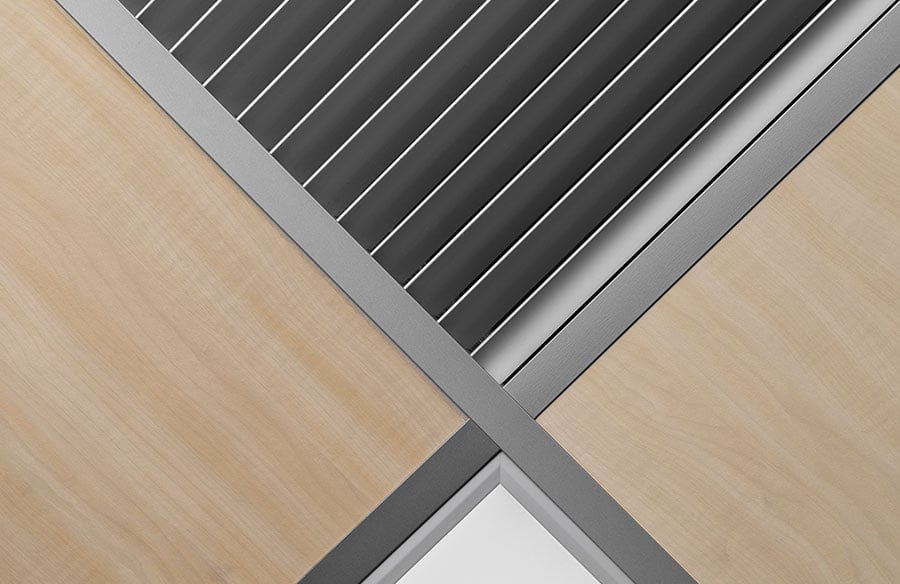
When you walk into a building, you might not pay much attention to what’s above your head. But suspended ceiling tiles have become a staple in architectural design, offering practicality and aesthetic appeal. Architects and designers embrace suspended ceilings for their ability to conceal unsightly ductwork, wiring, and plumbing while providing a clean, uniform ceiling surface. However, their significance extends far beyond mere decoration.
As the construction industry attempts to address issues of environmental sustainability, suspended ceiling tiles are becoming more and more popular for greener building practices. By choosing the right materials and design strategies, architects and builders can minimize environmental impact while maximizing the functionality of interior spaces.
In this article, we’ll explore the evolution of suspended ceiling tile materials and how innovation is reshaping the industry’s perception of ceilings and their environmental impact.
Traditional Materials in Suspended Ceiling Tiles
For decades, suspended ceiling tiles have relied on a handful of conventional materials to fulfill their functional and aesthetic purposes. Mineral fiber, metal, and gypsum, which were once considered standard, have increasingly come under scrutiny due to their environmental impact and associated health concerns:
- Mineral Fiber: It has long been a go-to material for suspended ceiling tiles due to its affordability and acoustic properties. However, beneath its surface lies a more troubling reality. Mineral fiber typically contains formaldehyde, a compound known to emit harmful gases into indoor air. Prolonged exposure to these gases can lead to respiratory issues and other health problems, making mineral fiber a less-than-ideal choice for any project, let alone environmentally conscious ones.
- Gypsum: It offers fire resistance and durability and doesn’t pose any direct health threats. Yet, its production process involves energy-intensive mining and manufacturing, contributing to carbon emissions and habitat destruction. Additionally, gypsum tiles are not easily recyclable and often end up in landfills at the end of their lifecycle, further aggravating environmental concerns.
- Metal: Metal ceiling tiles, prized for their sleek appearance and longevity, present their own set of challenges. While some metals like aluminum are recyclable, their extraction and processing require significant energy inputs. Moreover, metal tiles can be prone to corrosion over time, leading to maintenance issues and potential replacement costs.
While all of these materials have served their purpose in the past, they no longer meet the demands for sustainability, human health, and environmental responsibility in today’s construction industry. As awareness of these limitations grows, architects, designers, and manufacturers turn to alternatives that offer a greener, healthier, and more sustainable solution for suspended ceiling tiles.
New Suspended Ceiling Tiles: Sustainable Alternatives
Recognizing the shortcomings of traditional materials, the construction industry has witnessed a surge in the development and adoption of eco-friendly alternatives for suspended ceiling tiles. New greener materials offer a compelling blend of performance, aesthetics, and environmental responsibility, making them an attractive choice for modern design:
- Recycled Wood Fiber: By repurposing wood waste from sawmills, furniture factories, and construction sites, manufacturers create suspended ceiling tiles that not only reduce reliance on virgin timber but also divert waste from landfills. These tiles boast impressive acoustic properties and are free from the harmful chemicals often found in mineral fiber options, making them a healthier choice for indoor environments.
- Bamboo: Due to its fast growth rate, bamboo can be sustainably harvested without harming natural ecosystems. Bamboo suspended ceiling tiles offer exceptional strength, durability, and resistance to moisture, making them ideal for high-traffic areas and humid environments.
- Agricultural Byproducts: Materials such as wheat straw, rice husks, and bagasse—the fibrous residue left over from sugarcane processing—offer a renewable alternative to traditional options. By harnessing these agricultural wastes, manufacturers create tiles that are not only biodegradable but also help reduce greenhouse gas emissions associated with agricultural waste management.
Advances in material science have played a significant role in the development of sustainable ceiling tile materials. Through innovative manufacturing processes, researchers have been able to create materials that are environmentally friendly, high-performing, and aesthetically pleasing.
One such innovation is the use of bio-based polymers. Produced from renewable sources such as corn or sugarcane, they offer a viable alternative to traditional petroleum-based plastics. Not only are they biodegradable, but they also consume less energy, making them an eco-friendly choice for ceiling tiles.
Challenges of Sustainable Suspended Ceiling Tiles
While the transition to sustainable alternatives for suspended ceiling tiles holds promise for a greener future, it is not without its challenges. From manufacturing hurdles to cost considerations, several obstacles must be addressed to accelerate the adoption of environmentally friendly materials in the construction industry. However, innovative solutions and collaborative efforts are paving the way for overcoming these challenges and driving positive change.
Affordability
The primary obstacle to the widespread use of sustainable ceiling tile materials is cost. Prices for eco-friendly options tend to be higher compared to their conventional counterparts, posing a challenge for budget-conscious projects. Yet, as the market for green materials grows and economies of scale become apparent, prices will likely go down over time. Additionally, the long-term benefits of energy efficiency, durability, and environmental responsibility can offset initial investment costs.
Complex Manufacturing Processes
Another challenge lies in optimizing manufacturing processes to meet the demand for sustainable ceiling tile materials. Manufacturers must invest in research and development to refine production methods, reduce waste, and minimize environmental impact. This may involve implementing renewable energy sources, improving resource efficiency, and enhancing recycling and waste management practices. Collaborations between manufacturers, researchers, and regulatory bodies are essential for driving innovation and standardizing sustainable manufacturing practices across the industry.
Consumer Education and Awareness
Education and awareness play a vital role in overcoming resistance to change and fostering acceptance of sustainable ceiling tile materials. Architects, designers, builders, and consumers must be informed about the benefits of eco-friendly options and the environmental consequences of traditional materials. Providing transparent information about product sustainability, performance, and lifecycle impacts can empower stakeholders to make informed decisions and prioritize sustainability in their projects. Industry associations, certifications, and labeling programs can also help guide consumers toward environmentally responsible choices.
Collaborative Solutions
Addressing the challenges associated with sustainable ceiling tile materials requires a collaborative approach involving stakeholders at every level of the supply chain. Governments, industry associations, manufacturers, designers, and consumers must work together to establish clear sustainability standards, incentivize green building practices, and promote innovation. By sharing knowledge, resources, and best practices, the construction industry can drive meaningful progress toward a more sustainable future.
Future Trends and Possibilities
Looking ahead, the future of suspended ceiling tile materials is bright. With ongoing research and development, interested parties can anticipate even more innovative solutions that push the limits of sustainability and performance. From advanced recyclable materials to customizable 3D-printed tiles, the possibilities are endless.
As architects, builders, and consumers become increasingly engaged in sustainability, you can expect to see a shift towards greener building practices. By embracing innovation and prioritizing environmental stewardship, construction projects can not only look beautiful but also maintain the health and well-being of people and the planet.







