

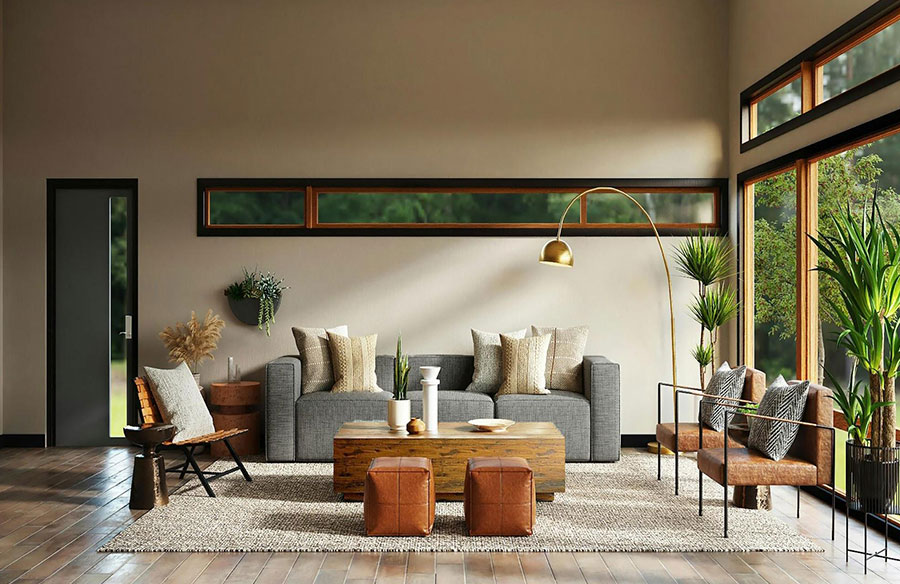
Interior design is a dynamic field that constantly evolves with time. In order to create spaces that are both aesthetically pleasing and functional, it is crucial for architects and designers to stay updated with the current interior design trends. By following them, professionals can enhance their design capabilities and create spaces that are in line with the preferences of their clients. In 2024, interior design trends continue to change, offering exciting possibilities to enhance and transform living spaces.
1. Social Seating
One of the notable trends in interior design is the concept of social seating. It emphasizes creating inviting and comfortable seating arrangements that encourage interaction and connection. From cozy sectional sofas arranged in a circular formation to modular seating that can be rearranged as needed, social seating allows for fluid conversations and a sense of togetherness. For the right arrangement, making your own house plan is essential – by following the link, you’ll find a step-by-step guide on how to design spaces yourself.
This trend is ideal for both residential and commercial spaces, and it has revolutionized the concept of hosting, enabling hosts to entertain their guests in a more relaxed and inviting manner.
2. Warm Minimalism
Minimalism has long been a popular design philosophy, but the recent shift towards warm minimalism adds a touch of coziness and comfort to this aesthetic. With a focus on natural materials, warm color palettes, and soft textures, this trend creates a serene and inviting atmosphere. It also implies clean lines, streamlined furniture, and carefully curated decor pieces that exude warmth and simplicity. Warm minimalism embraces the concept of “less is more” while still infusing spaces with a sense of personal style and comfort.
3. Layered Lighting
By incorporating various light sources, such as overhead fixtures, task lighting, and accent lighting, designers can create depth and dimension in a room. This trend not only enhances functionality but also adds visual interest and ambiance. From pendant lights to wall sconces, the strategic placement of lighting fixtures can transform a space, highlighting focal points and creating a warm and inviting atmosphere.
4. Flowy Furniture
In contrast to the sharp lines of traditional furniture, flowy furniture is gaining popularity for its organic and fluid forms. Upholstered sofas and chairs with curved edges and organic shapes dominate this trend, inviting users to sink in and relax. Flowy furniture adds a touch of elegance and sophistication to any room, creating a sense of comfort and visual interest. Paired with complementing textures and colors, this trend adds a dynamic element to spaces, breaking away from the rigid and conventional.
5. Textural Elements
Using textural elements in interior design introduces depth, visual interest, and tactile appeal. From natural materials like wood and stone to woven fabrics and knitted accessories, the possibilities are endless. Textural elements can be introduced through furniture, rugs, wallpaper, and even artwork, creating a multisensory experience that adds warmth and character to a room.
6. Unique Mirrors
Mirrors have long been a staple in interior design, but the current trend leans towards unique and unconventional shapes and frames. Rather than the traditional rectangular or oval mirrors, designers are now embracing asymmetry, geometric shapes, and intricate frames to make a statement. These unique mirrors not only serve their practical purpose but also act as stunning focal points, reflecting light and creating an illusion of space.
7. Green Living
In an era where sustainability and environmental consciousness are at the forefront, green living has become a prominent trend in interior design. From eco-friendly materials like bamboo and reclaimed wood to energy-efficient appliances and smart home technology, this trend emphasizes the importance of creating spaces that are both visually appealing and environmentally responsible. Incorporating plants and biophilic design principles further enhances the connection between nature and indoor spaces, promoting a sense of well-being and harmony.
8. Blue Color Palettes
Blue, with its calming and soothing qualities, has become one of the most popular color palettes in contemporary interior design. From serene pastel blues to deep navy hues, this versatile color can be incorporated into various design styles and aesthetics. Whether used as an accent or as the main color scheme, blue evokes a sense of tranquility and elegance, creating a harmonious atmosphere in any room.
9. Mixed Metals
The trend of mixing metals adds a touch of visual interest and glamor to interior design. Combining different metal finishes, such as gold, silver, and bronze, creates a dynamic and eclectic look. From light fixtures to hardware and decorative accessories, mixing metals allows for endless possibilities and customization.
10. Zellige Tiles
Zellige tiles, known for their vibrant colors and intricate geometric patterns, are making a comeback in 2024. Inspired by Moroccan design, Zellige tiles have gained popularity in contemporary interior design. These intricately handcrafted tiles feature geometric patterns and vibrant colors, adding a unique and artistic touch to any space. Whether used as a backsplash in the kitchen, a feature wall in the bathroom, or a decorative element in a living room, Zellige tiles create a stunning focal point that captures attention. This trend embraces the beauty of craftsmanship and brings a sense of cultural richness to interior spaces.
As the world of interior design continues to evolve, these trends offer a glimpse into the exciting possibilities that await homeowners and designers. By incorporating the current trends into design repertoire, individuals can transform their living spaces into havens of elegance and innovation.







