

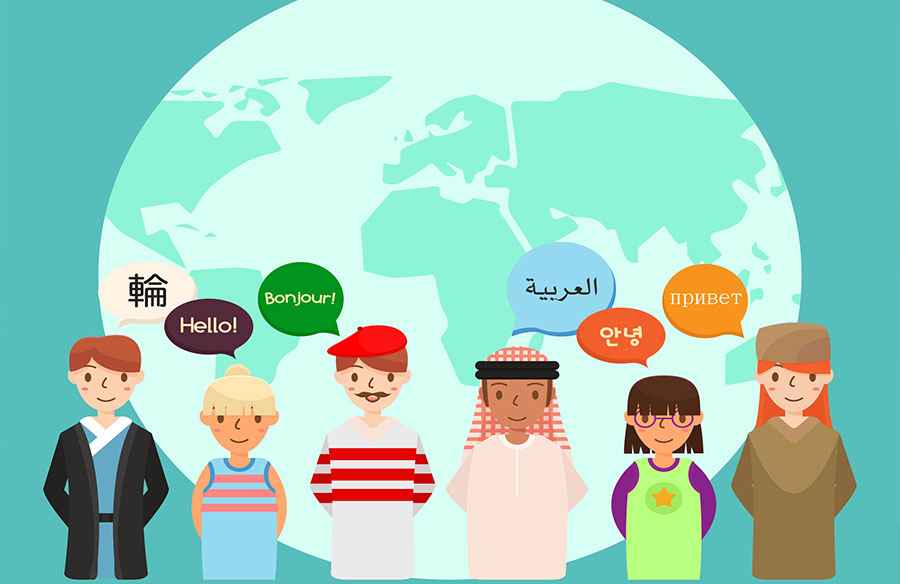
In our increasingly interconnected world, language serves as more than just a means of communication; it’s a window into the rich tapestry of cultures that make up our global community. Every language carries with it a unique set of cultural nuances—subtle distinctions in expression, etiquette, and worldview that shape the way we communicate and interact with one another. In this blog post, we’ll explore the fascinating interplay between language and culture, and how understanding these nuances can enrich our cross-cultural interactions.
Exploring Cultural Nuances through Language
Cultural nuances refer to the subtle, often unspoken aspects of communication that reflect the values, beliefs, and social norms of a particular culture. These nuances manifest in various forms, from idiomatic expressions and gestures to linguistic structures and communication styles. For example, the concept of “saving face” is deeply ingrained in many Asian cultures, influencing how individuals navigate conflicts and preserve harmony in social interactions.
Language plays a pivotal role in both reflecting and shaping cultural nuances. Words carry cultural meanings and connotations that may not be immediately apparent to non-native speakers. For instance, the Japanese concept of “wa” encompasses notions of harmony, unity, and group cohesion—a concept that is intricately woven into the fabric of the language itself.
The Impact of Language Classes on Cultural Understanding
English classes for immigrants play a vital role in fostering cultural understanding and bridging the gap between language and culture. By providing immigrants with the linguistic tools they need to navigate their new environment, these classes empower individuals to communicate effectively and engage meaningfully with members of their host community. Moreover, language classes create opportunities for cross-cultural interactions and learning, allowing immigrants to gain insights into cultural nuances firsthand.
Strategies for Recognizing and Appreciating Cultural Nuances
Recognizing and appreciating cultural nuances requires a combination of curiosity, empathy, and open-mindedness. Language learners can enhance their cultural understanding by actively listening and observing how native speakers use language in different contexts. Asking questions, seeking clarification, and engaging in meaningful conversations with native speakers can deepen one’s appreciation for cultural nuances and foster intercultural empathy.
Case Studies or Real-Life Examples
Stories abound of individuals and communities who have gained profound insights into cultural nuances through language learning. From understanding the subtle nuances of politeness in Japanese to decoding the intricate social hierarchy embedded in Korean honorifics, language learners have unlocked doors to new worlds of understanding and appreciation.
Overcoming Challenges in Cross-Cultural Communication
Despite the benefits of cultural understanding, cross-cultural communication can present challenges, particularly for non-native speakers. Language barriers, translation errors, and differences in communication styles can lead to misunderstandings and misinterpretations. However, by approaching cross-cultural communication with humility, patience, and a willingness to learn, individuals can navigate these challenges with grace and sensitivity.
The Benefits of Cultural Understanding
Ultimately, the ability to understand and appreciate cultural nuances through language is a powerful tool for building bridges between individuals, communities, and nations. By fostering cultural understanding, we can build trust, promote cooperation, and foster a more inclusive and harmonious global society.
How do cultural nuances impact language learning?
Cultural nuances play a significant role in language learning by influencing vocabulary usage, grammar structures, and communication styles. Understanding these nuances is essential for effective cross-cultural communication and building meaningful connections with native speakers.
Are English classes for immigrants tailored to address cultural differences?
Many English classes for immigrants incorporate cultural sensitivity training and intercultural communication skills to help learners navigate cultural differences effectively. These classes often include discussions on cultural norms, etiquette, and social customs to prepare immigrants for real-world interactions in their new environment.
How can I overcome language barriers in cross-cultural communication?
Overcoming language barriers requires patience, practice, and a willingness to learn. Engaging in language immersion experiences, seeking out language exchange partners, and utilizing language-learning resources can help improve language proficiency and bridge the gap between cultures. Additionally, embracing humility and openness to cultural differences can enhance communication effectiveness in cross-cultural contexts.
Conclusion
In conclusion, language is not just a tool for communication—it’s a gateway to understanding and appreciating the rich diversity of human cultures. By delving beneath the surface of language to explore its cultural nuances, we can deepen our connections with others, broaden our horizons, and build a more inclusive and empathetic world. So let’s embrace language learning as a pathway to cultural understanding and appreciation, one word at a time.







