

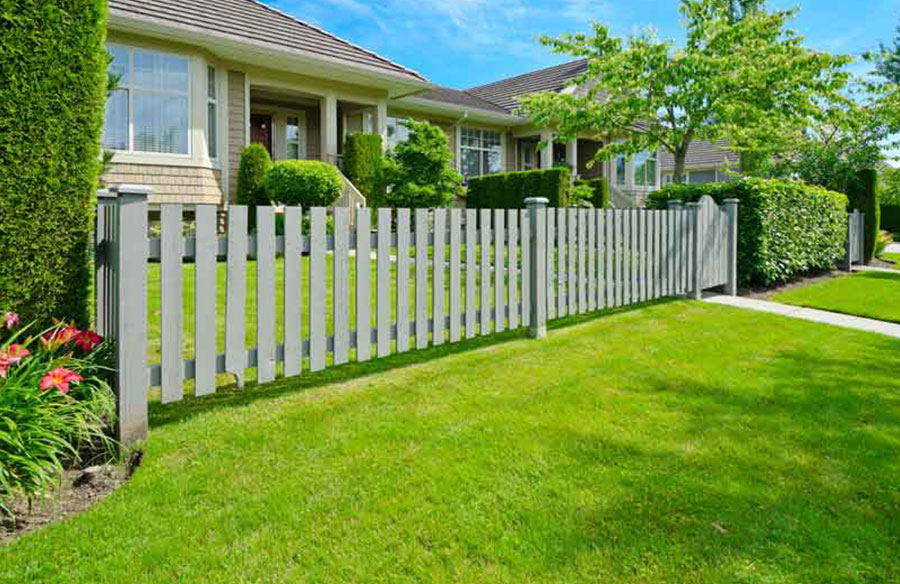
Fencing your property is a significant decision that can enhance security, privacy, and aesthetics. However, before embarking on a fencing project, it’s essential to consider various factors to ensure the process is smooth and the results meet your expectations. In this guide, we’ll explore the key things you need to know before fencing your property from San Antonio Fences.
Understand Local Regulations and Zoning Laws
Before installing a fence, it’s crucial to research and understand the local regulations and zoning laws in your area. These regulations dictate the height, material, and location of fences allowed on your property. Failure to comply with these regulations could result in fines or the need to remove the fence altogether. Contact your local planning or zoning department to obtain the necessary permits and ensure your fence meets all legal requirements.
Determine Your Property Line
Identifying the exact boundaries of your property is essential before installing a fence. Accurately determining your property lines prevents disputes with neighbors and ensures that your fence is installed entirely on your land. Consider hiring a professional surveyor to mark the boundaries and avoid encroaching on neighboring properties.
Choose the Right Type of Fence
There are various types of fences available, each serving different purposes and aesthetic preferences. Common options include wood, vinyl, chain-link, wrought iron, and aluminum fences. Consider factors such as durability, maintenance requirements, privacy, and style when selecting the right type of fence for your property. Additionally, consult with your homeowners’ association (if applicable) to ensure your chosen fence meets any community guidelines or restrictions.
Set a Realistic Budget
Fencing projects can vary significantly in cost depending on factors such as the type of material, fence height, linear footage, and labor costs. Before proceeding with the installation, establish a realistic budget that takes into account all associated expenses, including materials, labor, permits, and any additional features such as gates or decorative elements. Obtaining quotes from multiple contractors can help you compare prices and make informed decisions.
Consider Maintenance Requirements
Different types of fences have varying maintenance requirements, ranging from occasional cleaning to regular staining or painting. Consider the level of maintenance you’re willing to commit to and choose a fence material that aligns with your preferences and lifestyle. Additionally, factor in long-term maintenance costs when calculating the overall expense of the fence.
Assess Security and Privacy Needs
The primary purpose of fencing is often to enhance security and privacy on your property. Evaluate your specific security and privacy needs to determine the height and style of fence that best meets your requirements. For increased security, consider options such as tall, solid fences with locking gates. If privacy is a priority, choose a fence design that offers minimal visibility from neighboring properties.
Communicate with Neighbors
Installing a fence can impact neighboring properties, so it’s essential to communicate openly with your neighbors throughout the planning process. Inform them of your intentions to install a fence and discuss any potential concerns or issues that may arise. Maintaining positive relationships with neighbors can help prevent conflicts and ensure a smooth installation process.
Plan for Utility Line Location
Before digging any fence post holes, it’s crucial to locate and mark the underground utility lines on your property. Contact your local utility companies to request a utility line locate service to identify the presence and location of buried cables, pipes, or wires. Failure to do so could result in costly damage to utility lines and pose safety hazards during the installation process.
Final Words
Fencing your property is a significant investment that requires careful planning and consideration. By understanding local regulations, determining property boundaries, choosing the right type of fence, setting a realistic budget, considering maintenance requirements, assessing security and privacy needs, communicating with neighbors, and planning for utility line location, you can ensure a successful fencing project that enhances the security, privacy, and aesthetics of your property for years to come.







