

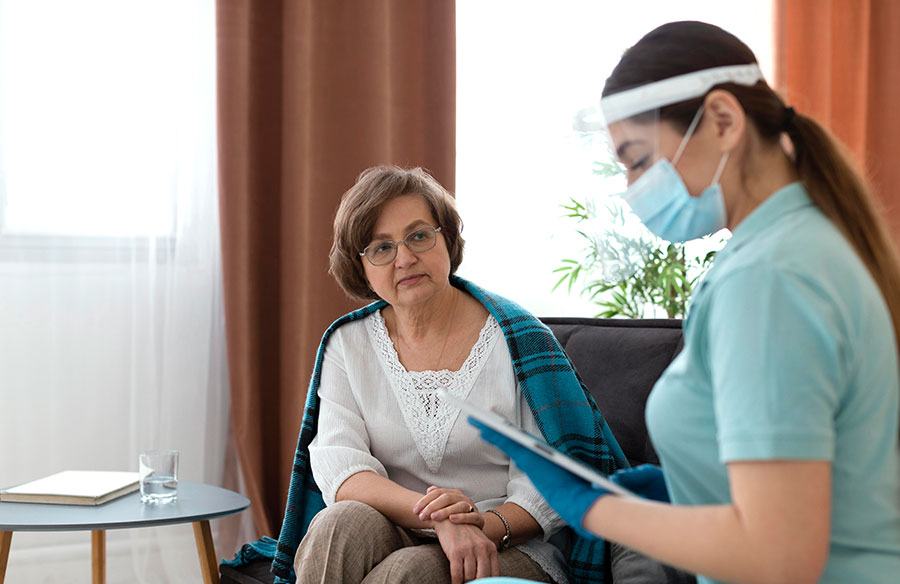
Selecting the right nurses for in-home senior care is a critical decision that requires careful consideration and planning. These healthcare professionals play a pivotal role in providing compassionate and skilled care to elderly individuals in the comfort of their own homes. However, finding the best fit for your loved one’s needs can be challenging. In this article, you will explore seven key strategies to hire nurses for in home senior care services, ensuring that you make informed decisions and create a supportive and nurturing environment for your loved one.
1. Define Your Needs and Preferences:
Before beginning the hiring process, take the time to assess your loved one’s needs and preferences. Consider the level of care required, medical conditions, and personal preferences. This will help you identify the specific qualifications and attributes you are looking for in a nurse, such as experience with certain medical conditions, cultural sensitivity, and compatibility with your loved one’s personality. When assessing your loved one’s needs and preferences, it’s essential to involve them in the decision-making process to ensure their wishes are respected and their comfort is prioritized.
Additionally, consider consulting with other healthcare professionals, such as their primary care physician or specialist, to gain insights into their medical needs and care requirements. This collaborative approach can provide a comprehensive understanding of your loved one’s unique situation and guide you in selecting a nurse who can provide the personalized care and support they deserve.
2. Conduct Thorough Interviews:
Interviews are an essential part of the hiring process, allowing you to assess the nurse’s qualifications, experience, and suitability for the role. Prepare a list of relevant questions that address both technical skills and interpersonal qualities. Ask about the nurse’s previous experience with in-home senior care, their approach to building rapport with clients, and how they handle challenging situations. Pay attention to their communication style, empathy, and professionalism during the interview.
3. Check Credentials and References:
Verify the nurse’s credentials, licenses, and certifications to ensure they meet the necessary qualifications for the role. Additionally, request references from previous employers or clients and follow up with them to gather insights into the nurse’s performance and professionalism. References can provide valuable information about the nurse’s reliability, punctuality, and ability to provide high-quality care.
In addition to verifying credentials and requesting references, it’s important to conduct background checks to ensure the nurse has a clean record and is free from any disciplinary actions or malpractice claims. This step adds an extra layer of assurance regarding the nurse’s suitability for the role and their commitment to ethical and professional standards. Furthermore, consider seeking recommendations from trusted sources, such as healthcare professionals or community organizations, to identify potential candidates who have a proven track record of excellence in in-home senior care.
4. Assess Cultural Competency:
Cultural competency is crucial in providing effective and respectful care to seniors from diverse backgrounds. Consider whether the nurse has experience working with clients from different cultural or ethnic backgrounds and whether they demonstrate sensitivity to cultural differences. A culturally competent nurse will be able to understand and respect your loved one’s beliefs, values, and traditions, fostering trust and enhancing the quality of care.
5. Evaluate Communication Skills:
Effective communication is essential in building trust and facilitating collaboration between nurses, clients, and family members. Assess the nurse’s communication skills during the interview process, paying attention to their ability to listen actively, communicate clearly, and express empathy. A skilled communicator will be able to establish rapport with your loved one, address concerns effectively, and keep family members informed about their care.
6. Consider Compatibility and Personality Match:
Compatibility between the nurse and your loved one is crucial for a successful caregiving relationship. Consider personality, temperament, and interests when selecting a nurse. Look for qualities such as patience, compassion, and a positive attitude, as these traits can contribute to a harmonious and supportive caregiving dynamic. Additionally, involve your loved one in the selection process and consider their preferences and comfort level with potential candidates.
7. Trial Period and Ongoing Evaluation:
Once you have selected a nurse, consider implementing a trial period to assess their compatibility and performance in the role. During this time, closely monitor the nurse’s interactions with your loved one, their adherence to care plans, and their overall effectiveness in meeting your loved one’s needs. Provide feedback and communicate openly with the nurse to address any concerns or areas for improvement. Additionally, establish a system for ongoing evaluation and feedback to ensure that the nurse continues to meet your loved one’s evolving needs.
Hiring nurses for in home senior care services requires thoughtful consideration and attention to detail. By defining your needs and preferences, conducting thorough interviews, checking credentials and references, assessing cultural competency and communication skills, considering compatibility and personality match, and implementing trial periods and ongoing evaluation, you can make informed decisions and select the right nurse for your loved one’s needs. With the right strategies in place, you can create a supportive and nurturing environment that promotes the health, safety, and well-being of your loved ones as they age in place.







