

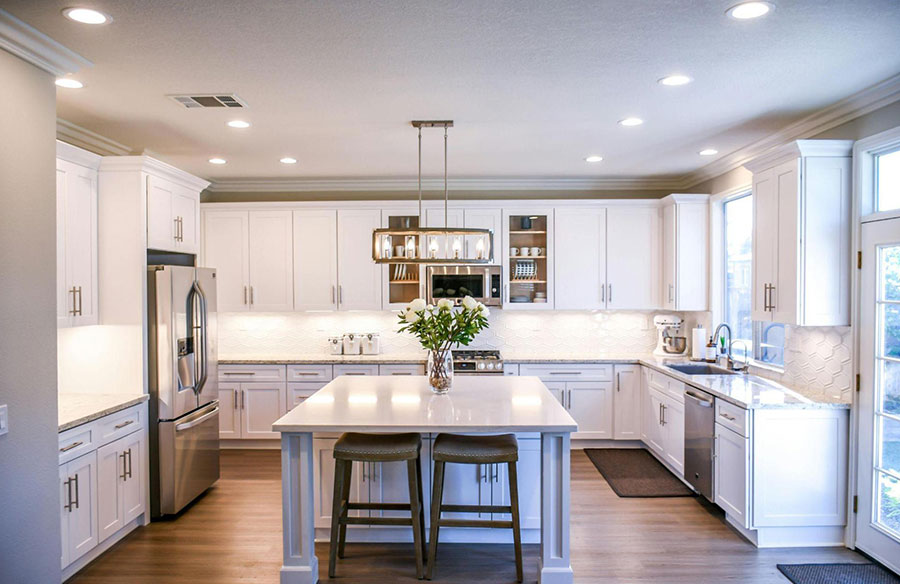
Kitchen remodeling is not just an opportunity to enhance the aesthetics of your home but also to boost its functionality and efficiency. Whether it’s crafting a space that caters to gourmet cooking or ensuring your kitchen is the heart of the home for all family activities, careful planning and design are crucial. In this blog, we will share essential tips for ensuring your kitchen remodel meets your expectations and enriches your home life.
1. Define Your Needs and Goals
Start by assessing how you use your current kitchen and what changes are most needed to enhance your space. Consider factors such as the number of people using the kitchen daily, the types of meals you typically prepare, and how your kitchen space promotes or hinders these activities. Are you looking for a space that can host large family gatherings, or do you need an efficient layout that helps you with everyday meal preparation? Write down your must-haves and nice-to-haves. This clarity will guide your design choices and ensure the final remodel aligns with your lifestyle.
2. Set a Realistic Budget
Understanding the full scope of costs associated with a kitchen remodel can help prevent financial overstretch. It’s important to create a budget that includes not only the obvious costs like new cabinets and appliances but also hidden expenses such as labor, permits, and unforeseen issues that may arise during construction. Consulting with a professional can help you estimate these costs more accurately. Prioritize spending on key elements that will provide the best return on investment and functionality. Remember, a well-planned budget keeps your project within financial bounds while still achieving your design goals.
3. Choose the Right Layout
The layout you choose will significantly affect how you interact with your kitchen. Popular layouts include the L-shaped, U-shaped, or the galley layout, each offering distinct advantages depending on your space and needs. In this planning phase, consider how the kitchen’s flow will affect daily tasks such as cooking, cleaning, and socializing. When designing your kitchen layout, it might be wise not to opt for the pot filler over stove design. While stylish, pot fillers can complicate plumbing installations and offer limited use beyond filling pots at your stove, possibly not justifying the expense.
4. Select Durable Materials
Choosing the right materials is essential for a kitchen that looks good and withstands the test of time. Countertops, for example, need to be durable enough to handle hot pots, knife scratches, and spills. Quartz and granite are popular for their durability and wide range of designs. Flooring should be water-resistant and easy to clean, with options like ceramic tile or treated wood being favorites. Similarly, backsplash materials should be chosen not only for their aesthetic appeal but also for their ease of maintenance.
5. Focus on Quality Cabinetry
Cabinets are not only one of the most visible parts of your kitchen but also among the most used. Opt for cabinets that offer a balance of style and practicality. High-quality hinges and drawer slides mean cabinets will stay functional after many years of use. Custom cabinets can be built to fit your specific space and needs, although they are a more expensive option. If custom cabinets aren’t in your budget, there are many high-quality pre-fabricated options available that can be just as attractive and functional.
6. Optimize Storage Solutions
Effective storage solutions can transform a cluttered kitchen into a model of efficiency. Consider deep drawers for pots and pans, pull-out shelves for easy access, and organizers for utensils and spices. Adding a pantry can drastically increase your storage space and help keep your countertops clear. Utilize every inch of space by incorporating corner cabinets and over-the-appliance cabinetry. Properly planned kitchen storage not only makes your space more pleasant to use but also helps maintain organization and cleanliness.
7. Update Lighting Fixtures
Upgrading your kitchen lighting is a great way to enhance both how it works and how it feels. First, look at the places that need more light, like countertops and areas where you cook. Using a combination of different types of lighting—ambient, task, and accent—helps make your kitchen bright and welcoming. For example, lights under cabinets are perfect for when you’re preparing food, and hanging lights over an island add a touch of style. Choosing LED lights is a smart move because they save energy and don’t need to be replaced as often.
8. Invest in Modern Appliances
Modern appliances are not just about the latest technology—they also contribute to the kitchen’s efficiency and energy savings. Look for appliances with high energy efficiency ratings to reduce your utility bills. Consider smart appliances that can be controlled via smartphone, adding convenience to your cooking routine. Features like convection ovens or induction cooktops can enhance your cooking experience. It’s also important to choose appliances that fit the scale of your kitchen to maintain balance in the design.
9. Consider the Work Triangle
The work triangle is a time-tested kitchen design concept that improves efficiency by arranging the sink, stove, and refrigerator in a triangular layout. This layout minimizes unnecessary movement and saves time during cooking and cleaning. Ensure that the paths between these points are clear and unobstructed. Adjustments to this layout can be made based on your specific kitchen size and your personal cooking habits. The goal is to create a flow that allows for easy movement and accessibility.
10. Incorporate Sustainable Practices
Adopting sustainable practices in your kitchen remodel is not only good for the environment but can also be cost-effective in the long run. Choose appliances and materials that are certified for their energy efficiency and sustainability. Recycled materials for countertops and flooring can be both eco-friendly and unique. Consider also installing low-flow faucets to reduce water usage. These choices contribute to a greener home and can often come with tax benefits or rebates.
11. Plan for Adequate Ventilation
Proper ventilation is crucial to maintain air quality and remove excess heat, odors, and moisture from cooking. A high-quality range hood can be a focal point in the kitchen while effectively filtering out grease and odors. Ensure that the ventilation system is appropriately sized for your kitchen to avoid inefficiencies. Ventilation not only contributes to a more comfortable cooking environment but also protects your kitchen investment by reducing the buildup of grease and moisture.
12. Add Personal Touches
Finally, personalize your kitchen to reflect your style and make the space truly yours. Choose hardware like knobs and pulls that complement your kitchen’s style. Add decorative elements that reflect your personality, such as unique backsplash tiles or a custom piece of art. Even functional items like dishware and cooking utensils can be selected to match your color scheme and design preferences, enhancing the overall look and feel of your kitchen.
Conclusion
Taking on a kitchen remodel can transform your home in more ways than one, offering both increased functionality and enhanced aesthetic appeal. By incorporating these tips, from choosing the right layout to selecting high-quality materials and optimizing your storage solutions, you’ll create a space that not only looks great but also caters to the specific needs of your lifestyle. With careful planning and attention to detail, your newly remodeled kitchen will become a centerpiece of your home, where both daily meals and special occasions bring joy and comfort for years to come.







