

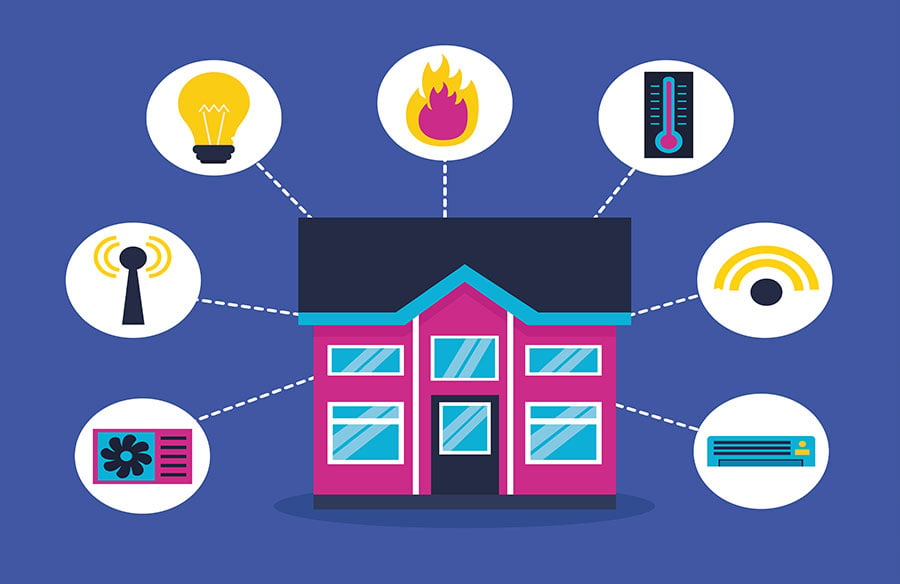
Electrical safety in homes is crucial for protecting your family and property from fires and electric shocks. Integrating safety measures into the design and construction phases ensures a safer living environment. This proactive approach secures your peace of mind and saves on future retrofitting costs.
1. Safe Storage of Flammable Materials
Keeping flammable materials away from electrical appliances is crucial to ensure your home remains a haven. These items — including solvents, cleaners and aerosols — should be in well-ventilated areas, far from the reach of direct sunlight, which could trigger a hazardous situation. For an extra layer of safety, consider using metal or non-flammable storage containers and regularly inspect them for leaks or spills.
2. Understand Electrical Basics
A basic understanding of your home’s electrical systems ensures safety and prevents problems. Take time to learn your electrical panel and how your circuits operate. This knowledge will empower you to identify issues early, make informed decisions and communicate effectively with professionals when needed.
3. Proper Use of Extension Cords
Remember, extension cords are only temporary solutions and not permanent power sources. Overloading extension cords can quickly lead to overheating and potentially cause a fire, so always match the cord’s capacity with the power demands of your devices. Opt for the shortest possible length to meet your needs and ensure it’s rated for the power you intend to draw through it.
4. Regular Inspection and Maintenance
Regular electrical inspections by qualified electricians are crucial for identifying potential hazards before they become problems. These professionals can ensure your system meets safety standards and functions efficiently to prevent accidents and extend the life span of your electrical installations. Solar engineers design and maintain systems for those utilizing renewable sources so they integrate seamlessly with your home’s electrical setup.
5. Installing Tamper-Resistant Receptacles
Tamper-resistant receptacles are a game-changer in homes with curious little ones. These cleverly designed outlets have built-in shutters that block foreign objects, which prevent accidental electric shocks. For example, when you insert a plug correctly, the shutters open to allow electricity to flow safely. It means you can have peace of mind knowing your children are safer when exploring around the house, reducing the risk of electrical injuries.
6. Investing in Surge Protectors
Investing in surge protectors to keep your home electronics safe from unexpected power surges is wise. While they may look similar to power strips, surge protectors come with a crucial difference — they’re specifically designed to protect your devices from voltage spikes. Power strips add more outlets without offering protection, whereas these tools absorb and ground excess electricity.
7. Safe Electrical Design
Good design seamlessly blends aesthetics with safety. Incorporating arc-fault circuit interrupters (AFCIs) and ground-fault circuit interrupters (GFCIs) into your construction plans is smart. AFCIs protect against fires from electrical arcs, while GFCIs reduce electrocutions in bathrooms by 80%, dramatically improving wet areas’ safety.
8. Educating Family Members
Teaching all family members about electrical safety prevents accidents and ensures everyone knows how to respond to emergencies. Teach your loved ones to turn off the power at the main switch before addressing any electrical issue and to call a professional if you are in doubt. In an electrical fire, use a fire extinguisher rated for electrical fires — never water — and ensure everyone knows how to evacuate the house safely.
9. Outdoor Electrical Safety
Safety should always be your top priority when using outdoor lighting and power tools. Use outdoor-rated extension cords and fixtures that withstand weather conditions and prevent electrical hazards. These materials can handle moisture, temperature changes and UV exposure to ensure your outdoor projects are safe and your lighting stays bright and reliable. Additionally, always plug outdoor electrical devices into outlets with GFCIs to protect against shock.
10. Planning for Emergencies
Creating an electrical emergency plan ensures your family’s safety in unexpected situations. If you encounter wires jumping and sparking, keep at least 20 feet away to avoid the risk of electrical shock or fire. In an electrical emergency, know how to safely exit your home and immediately call emergency services or your local utility company to report the incident.
Integrating Safety into Home Design and Construction Practices
Incorporating these safety steps into your design and construction practices is a smart move toward building safer homes. You’ll help ensure the well-being of your loved ones and set a standard for responsible and secure living environments.







