

Imagine stepping into a room and being immediately drawn to a stunning art piece or furnishing. This instant attraction isn’t accidental but the result of thoughtful home design.
At its best, home design balances aesthetics, atmosphere, and functionality to create spaces that are both beautiful and conducive to comfortable living. A home’s design and décor can significantly influence its occupants’ mood and productivity, transforming ordinary spaces into personal sanctuaries.
One of the best ways to unlock this transformative power is to create a focal point—a central feature that captures attention and organizes the room. Whether it’s a vibrant painting, a cosy fireplace, or an intricate light fixture, a focal point serves as the visual cornerstone around which all other elements harmonise. It’s what gives a room its character and sense of purpose.
This article dives into practical tips for anyone looking to master the art of establishing focal points in their home design. From leveraging artwork to strategic use of colour, these insights aim to equip you with the knowledge to elevate your living spaces.
Use Artwork and Other Decorative Items
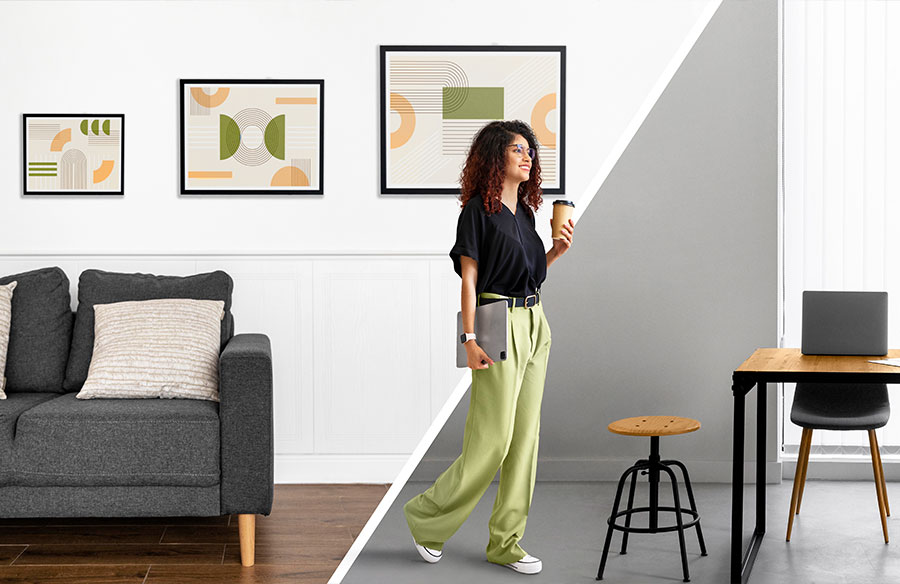
Art possesses the unique ability to convey emotions, tell stories, and capture the unique personality of a space with a single glance. So, for a focal point, you might use a bold statement piece like a large graphic design poster or painting to anchor a room’s aesthetic and invite viewers to explore the narrative behind the artwork.
Alternatively, you might build a gallery wall out of printable sets of photographs or illustrations. This can offer a dynamic viewing experience and showcase decorative items that reflect your personal tastes and memories. However you choose to arrange it, don’t hesitate to use artwork as a focal point for an easy way to add depth and personality to your home.
Use Colour Strategically
Colour is a potent tool for defining the ambiance of a room. A splash of colour can breathe life into a space by drawing the eye and creating a vibrant focal point. Consider the mood you wish to evoke: a calming blue is ideal for a serene retreat, while a sunny yellow can brighten a kitchen. When used with intention, colour not only defines a space but also reflects its purpose. Take advantage of it to create a focal point that resonates with the room’s overall theme.
Take Advantage of Architectural Elements
Every home comes with its unique set of architectural features, which can naturally serve as focal points. Elements like windows, French doors, or fireplaces provide a framework for design. Highlighting these features can enhance their inherent beauty and elevate the overall aesthetic of your space. Consider accentuating a fireplace with decorative tiles or framing a picturesque window with lush drapes. By embracing these architectural gifts, you create focal points that are both visually appealing and deeply integrated into the fabric of your home.
Enhance Your Focal Point with Lighting
The right illumination plays a crucial role in drawing attention to your focal points; it can also shape how you feel within a space in addition to how the space itself looks. A well-placed spotlight can transform an ordinary painting into a mesmerising masterpiece, while ambient lighting can soften and bring warmth to the area around a sculptural piece to invite a sense of calm. Even the strategic use of candles can add an ethereal quality to a dining table setup and make it ideal for intimate gatherings. The key is to use light to enhance the appeal of the focal point and make it stand out in the context of the room’s overall design.
Rearrange Your Furniture
The way furniture is arranged can significantly impact the flow and functionality of a space, guiding the eye towards the focal point. A layout in which the seating faces a stunning view or a unique piece of art creates a natural gathering spot that encourages conversation and interaction. Consider as well the balance and symmetry of the room when positioning furniture, such that the focal point remains unobstructed and prominent. This thoughtful arrangement maximizes the room’s aesthetic potential and simultaneously enhances its liveability, with every seat the best seat in the house.
Keep Style Consistent
A focal point should seamlessly integrate with the room’s overall theme and style rather than appearing like a stand-out but disjointed element. Whether your space echoes the minimalism of modern design or the richness of traditional décor, the focal point should embody these characteristics in a concentrated form. This approach helps to create a cohesive and harmonious environment where every element contributes to a unified aesthetic vision. It’s about finding that perfect piece or design feature that encapsulates your vision for the room.
Create Contrast
Contrast is a powerful design tool that can make your focal point stand out and command attention. You can achieve interesting contrast through colour, texture, form, or scale—such as a brightly coloured sofa against a neutral wall; a rough, textured sculpture on a smooth, polished table; or a large artwork in a small room. Aim to strike a balance that highlights the focal point without overwhelming the senses.
As you navigate the journey of home design, remember that a well-chosen focal point transcends mere decoration and transforms spaces into reflections of your unique identity and style. Let these tips inspire you to experiment and find harmony in design. With the insight you’ve gained in hand, you’ll surely have no trouble creating spaces that draw the eye and invite the soul to linger.







