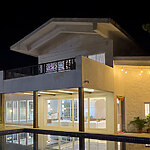
Hey there, gourmands and design aficionados! You’re in for a treat as we unravel the tantalizing ties between the worlds of architecture and culinary arts. Ever thought about how a building can influence your lunch choices or why certain cafe corners beckon you to bite into a croissant?
Turns out there’s a whole menu of architectural elements that can sway our food decisions daily. Let’s dig into the architecture of food and discover ten ways that design plays with our diets.
10 Different Ways Architecture Impacts on What and How We Eat
Buckle up, food enthusiasts and design buffs! Let’s explore the surprising ways that architecture whips up our eating habits and taste preferences in ten delectably designed bites.
1. The Wrong Textures Could Turn People Off Food
You ever sit down to eat and something just feels off? It might be the bizarre table surface that looks like a modern art experiment gone wrong. Turns out architecture can make or break your meal. That’s why smooth lines and curves are important for a yummy experience.
But when you’re elbow-deep in stickiness or slapping your hands on cold, unwelcoming steel, it sends vibes that can mess with your appetite big time. And let’s not skip on those walls. If they remind you of a 1970s bathroom floor, chances are your brain’s gonna nope out of eating.
2. Lighting is Important for an Enjoyable Atmosphere
Heads up, foodies and ambiance appreciators alike—lighting in your munch spot is the secret sauce to that savory experience. Clunky fluorescents that make everyone look like they just pulled an all-nighter? Hard pass. We’re just not into these negative sensory experiences.
But hit me with those soft pendants or a wash of natural sunlight, and boom, and I’ll be feeling great. The right kind of light can make your salad sparkle and your steak sizzle without even touching the seasoning. Lighting isn’t playing! It sets the stage for some serious palate pleasure.
3. Community Garden Spaces Support Healthy Eating
Community garden spaces are like real-life cheat codes for healthier eating habits. Meal kit company Green Chef totally gets this; they’re all about bringing fresh to the forefront. But imagine cutting out the middleman and plucking your side salad right from a neighborhood plot.
These verdant patches not only beautify our concrete jungles but also get people jazzed about veggies—because, let’s be honest, it’s hard not to be stoked about tomatoes when you’ve nurtured them from tiny seeds. Talk about hyper-local eating with a side of feel-good vibes!
4. Cool Colors Create Calm and Happy Eaters
What’s got the power to chill you out and make everything taste better? Paint swatches! Cool colors, think blues and greens, are like visual comfort food. They turn dining areas into relaxation zones where stress takes a back seat to savoring the moment (and the meal).
Plus, when you’re relaxed (thanks to those serene hues), your tastebuds tend to clock in for overtime. And who wants to be stressed when they’re eating? It’s no wonder restaurants often skip the fiery reds in favor of colors that whisper, “Stay awhile, enjoy your food.”
5. Overcrowding Will Cause People to Skip Lunch
Picture it: You’re famished, ready to dive fork-first into some grub, but your fav lunch spot is rammed wall-to-wall with fellow hungry humans. Instant appetite killer, right? When spaces fail at crowd control, the thought of jostling for a bite feels about as appealing as eating cardboard.
Overcrowding switches our focus from flavors to just finding an exit ASAP. It’s not just claustrophobic. It’s a recipe for ditching lunch altogether and betting on dinner being less of a gladiator match. This is why all food-eating areas need ample space and seating!
6. On-Site Food Production Impacts Our Taste-Buds
Ever noticed that food just tastes better when it’s made fresh? That’s on-site food production showing off. It’s a sweet deal for our taste buds when architects weave in some agricultural flair—think herb walls, tomato vines draping the side of your office, or a rooftop pepper paradise.
Freshness elevates everything it touches, so when you bite into that basil straight from the planter box, it’s like flavor fireworks. Plus, knowing your meal’s backstory? A little farm-to-table action at its urban best amplifies every munch to an experience beyond mere eating.
7. Vending Machines Impact Drinking Habits
Ever find yourself robotically punching buttons on a vending machine, drawn like a moth to the flickering fluorescents? That’s no accident. Those machines have some sneaky influence over our sips. Their strategic placement can swing whether we’re guzzling soda or chugging water.
Chuck one packed with sugary drinks near a thirsty crowd, and it’s almost a done deal they’ll be sipping on sweet stuff. It’s about convenience, yes, but savvy positioning can make the healthier choice just as easy to reach for. Smart design can nudge drinking habits in subtle ways.
8. Educational Signage Change Our Food Tastes
Think back to when you last saw a sign by your apples explaining why they’re eco-friendlier than those jet-lagged ones from across the globe. That’s more than just trivia. It’s educational signage schooling us on our food choices and nudging our tastes toward the greener side of life.
Architects who incorporate these informative nuggets into their designs aren’t just sprucing up the walls—they’re turning spaces into learning hubs that can reshape our palates. When we know better, we (often) eat better—because that local pear isn’t just a snack, it’s a statement.
9. Furniture Placement Can Impact Privacy and Comfort
Do you ever get that Goldilocks vibe where you’re trying to find the right spot to settle down with your lunch? You’re either too close to the trash cans or too exposed by the entrance. Ah, but then you hit that sweet spot where it’s not too crowded and just snug enough—perfect-o.
Whether we’re craving a solo retreat behind a leafy plant or seeking the buzz of communal tables for some social nibbling, how things are arranged speaks volumes about personal space. Nail that furniture Feng Shui and watch people relax into their meals like they’re in their pj’s.
10. Space Between Food Areas Can Encourage Intuitive Eating
There’s this whole thing about eating when you’re actually hungry and not just because you saw a massive sign for pizza on your way to the meeting room. That’s where savvy space planning comes in. Convenience is always nice, but it can sometimes lead to unhealthy food habits.
When architects put some thought into the distance between work zones and food areas, they’re kind of like invisible dietitians helping us listen to our stomachs rather than our bored brains. This extra space gives us a moment to figure out if we’re genuinely craving a snack.
In Conclusion…
You’ve just had a full course on architecture’s savory impact on our eating escapades. Now, get out and taste the difference for yourselves! Notice the hues of your next dining haunt, feel the textures at your table nook, and see if that office herb garden doesn’t make your salad pop.