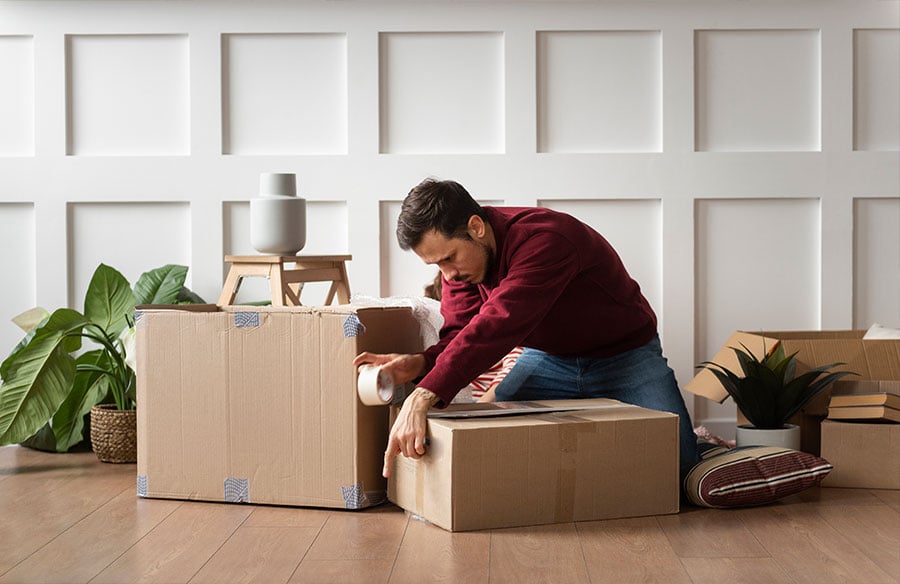
Moving out can be an overwhelming experience, often marked by a whirlwind of activities and emotions. Whether you are relocating for work, upgrading your living space, or simply seeking a change of scenery, the process involves significant planning and organization.
With the latest statistics showing that an average American moves approximately 11.7 times in their lifetime, it’s clear that moving is a common yet complex task for many. In this guide, we’ll explore detailed tips for moving out, focusing on how to move out efficiently, create an apartment move-out checklist, and ensure a seamless transition to your new home.
1. Start Packing Early
Starting to pack early is a crucial step in ensuring a smooth moving process. The consensus is to begin packing as soon as your move is confirmed. A systematic approach, starting six to eight weeks before the move, is recommended for efficient packing.
Initially, focus on cleaning out spaces like the basement, attic, garage, and closets. This is the time to decide what to keep, discard, donate, or sell, helping to reduce the load and possibly even make some money through a garage sale.
Around four to six weeks before the move, you should have selected a moving company and confirmed your moving date. It’s also a good time to order packing supplies. Downsizing your belongings by selling items you don’t need can help you require fewer boxes, making the moving day easier.
One month before moving, begin packing decorations and seldom-used items such as fine china and holiday décor. Implement a labeling system for your boxes to stay organized. This can include taking photos of the contents or using a packing app for inventory management. At this point, you should also be arranging the donation of unsold items from your moving sale.
2. Stay Organized
Staying organized before moving is essential to ensure a smooth transition to your new home. One effective strategy is to start decluttering your belongings up to six months before the move. This involves sorting through seasonal items, sports equipment, toys, and other less frequently used categories.
As you get closer to the move, around 1-2 months out, focus on decluttering more regularly used items like kitchen appliances, tools, electronics, and furniture. This approach not only simplifies your moving process but also helps in creating a more mindful living space in your new home (Uncluttered Simplicity, Apartment Therapy).
A key aspect of staying organized is efficiently managing the paperwork and essential documents related to the move. Creating a dedicated binder or notebook to keep all moving-related documents, such as moving cost estimates, order of service, home inventory sheets, and personal documents like birth certificates and passports, is highly recommended.
This will help you keep track of important details and appointments, ensuring that nothing crucial is overlooked during the hectic moving process (The Moving Blog, Life with Less Mess).
3. Minimize Your Load
One of the most effective tips for moving out is to minimize your load. Decluttering before a move can significantly reduce the volume of items you need to transport. Sell, donate, or throw away things you no longer need or use.
This not only simplifies the moving process but also potentially provides additional funds from sold items. Utilize online platforms for selling and reach out to local charities for donations, making your move both efficient and charitable.
4. Gather Essential Packing Supplies
Ensure you have all the essential packing supplies before you begin. This includes sturdy boxes, packing tape, bubble wrap, and labeling materials. Recent trends have seen a shift towards eco-friendly packing solutions, such as biodegradable packing peanuts and recycled boxes, aligning with the growing environmental consciousness.
Remember, insufficient or poor-quality materials can lead to damage and additional stress, something everyone wants to avoid when moving out.
5. Specialized Packing for Delicate and Large Items
Packing delicate and large items requires special attention. Use bubble wrap, packing peanuts, and blankets to protect fragile items like dishes, glassware, and electronics. For oversized furniture, disassembling them can make transportation easier and safer. This step is crucial in your apartment move-out checklist to ensure your valuable items are transported without damage.
6. Utilize Moving Checklists
Utilizing moving checklists is a highly effective strategy to ensure an organized and stress-free move. These checklists guide you through each phase of the moving process, starting from several weeks before the move until the final settling into your new home.
Starting eight weeks before the move, it’s recommended to create a moving binder for keeping all important documents, receipts, and checklists in one place. This is also the time to research and book moving companies, sort and declutter your belongings, and start gathering packing supplies like boxes, tape, and bubble wrap. As you approach six weeks before the move, tasks such as notifying schools (if you have children), arranging for the transfer of medical records, planning for pets, and beginning to pack non-essential items come into play.
Four weeks before moving, focus on updating your address with the post office, banks, credit card companies, and subscription services, scheduling the disconnection and setup of utilities, and updating your insurance policies.
Packing should continue, with each box labeled clearly. Two weeks before the move, finalize packing most of your belongings, leaving only essentials unpacked and confirm details with the moving company. Ensure you have a plan for children and pets on moving day and keep important items with you.
Additionally, consider the less obvious yet crucial aspects such as organizing your paperwork in a dedicated binder or notebook, creating a ‘go box’ with essentials like clothes, toiletries, and kitchen supplies, and taking pictures of valuables for the move.
By systematically following these steps and tailoring the checklist to your specific needs, you can significantly reduce the stress and complexity of moving.
7. Hiring Professional Services
For a hassle-free move, consider hiring professional go-to local movers. They have the expertise and equipment to handle heavy and delicate items efficiently. When selecting a moving company, get quotes from multiple providers and check their reviews and credentials. Remember, the cheapest option is not always the best. Quality service can save you time and prevent damage to your possessions.
Conclusion
Moving out, especially for the first time, can be a significant life event. However, with these detailed tips for moving out, you are equipped to handle the challenges that come your way. Remember, the key to a successful move is meticulous planning, organization, and a positive mindset. With these strategies in place, your journey to a new home can be a rewarding and memorable experience.
By incorporating these tips for moving out into your planning process, you’ll be well on your way to an efficient, stress-free move. From creating a thorough apartment move-out checklist to understanding how to move out efficiently, each step is crucial in ensuring a smooth transition. Moving doesn’t have to be a daunting task; with the right preparation and mindset, it can mark the exciting start of a new chapter in your life.