Le Corbusier’s Heidi Weber Museum – Best Projects of Le Corbusier
Le Corbusier, the trailblazing architect of the 20th century, left an indelible mark on the world through his revolutionary designs. Among his diverse portfolio, the Heidi Weber Museum, also known as the Centre Le Corbusier, stands as a unique testament to his creative genius. This article delves into the intricacies of the Heidi Weber Museum, exploring its historical context, architectural innovations, and lasting significance.
Historical Context
A Personal and Professional Union
Commissioned by Swiss art collector and patron Heidi Weber, the museum was envisioned as a space to showcase Le Corbusier’s multifaceted talents. The collaboration between the architect and his patron led to the creation of a museum that not only housed Le Corbusier’s works but also embodied his principles of modernism.
Architectural Innovations
1. Mobile Architecture: Pavilion Léman
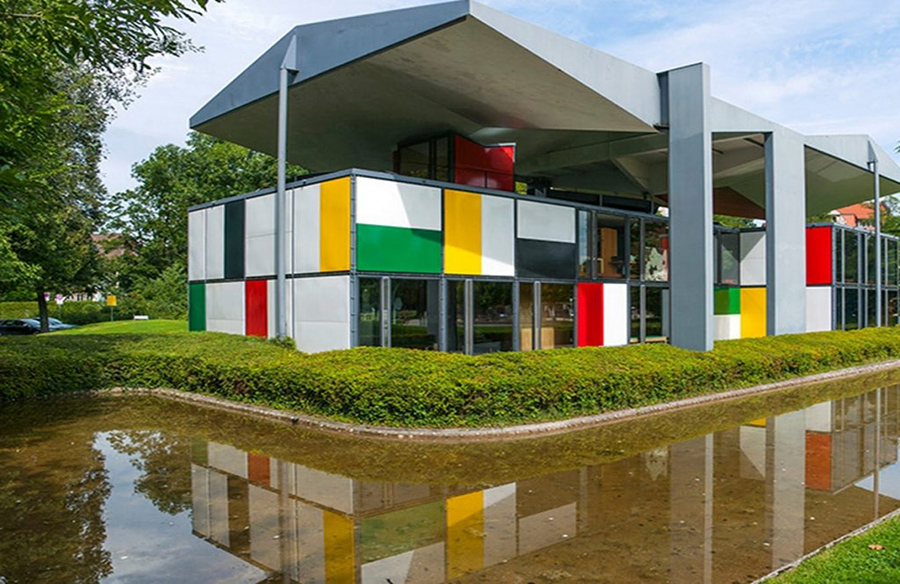
The Heidi Weber Museum is notable for its mobile architecture, particularly the Pavilion Léman. This innovative structure, designed by Le Corbusier, features a modular design with walls that can be adjusted to create flexible exhibition spaces. The mobility of the Pavilion Léman allows for a dynamic and ever-changing museum experience.
2. Integration of Art and Architecture
Le Corbusier, known for his interdisciplinary approach, seamlessly integrated art and architecture in the Heidi Weber Museum. The building itself becomes a canvas for artistic expression, blurring the boundaries between traditional museum spaces and the art they contain. The interplay of form, color, and space creates a harmonious environment for both the architecture and the exhibited works.
3. Roofscape and Outdoor Spaces
The Heidi Weber Museum’s roofscape is a distinctive feature that showcases Le Corbusier’s mastery of outdoor design. Terraces and rooftop gardens contribute to the fluid connection between interior and exterior spaces, providing visitors with panoramic views of the surrounding landscape. This integration of outdoor elements aligns with Le Corbusier’s belief in the harmonious coexistence of architecture and nature.
Enduring Significance
1. UNESCO World Heritage Site
In 2016, the Heidi Weber Museum, along with other works by Le Corbusier, was inscribed as a UNESCO World Heritage site. This recognition underscores the global importance of the museum as a cultural and architectural treasure, representing the legacy of one of the 20th century’s greatest architects.
2. Cultural Hub and Educational Venue
Beyond its role as a museum, the Heidi Weber Museum has become a cultural hub and educational venue. It hosts exhibitions, lectures, and events that celebrate the intersection of art and architecture. The museum’s enduring significance lies not only in its physical structure but also in its ongoing contribution to cultural discourse.
Statistical Insights
1. Dimensions and Layout
The Heidi Weber Museum covers approximately 700 square meters and is divided into various exhibition spaces, each designed to complement the specific artworks on display. The modular design of the Pavilion Léman allows for a dynamic arrangement of exhibits, maximizing the use of available space.
2. Construction Materials
Le Corbusier employed a combination of modern materials, including steel and glass, in the construction of the Heidi Weber Museum. The use of these materials not only reflects the architect’s commitment to modernism but also contributes to the museum’s aesthetic appeal and structural integrity.
Visiting the Heidi Weber Museum
A Journey into Le Corbusier’s Artistic World
For architecture enthusiasts and art connoisseurs, visiting the Heidi Weber Museum offers a unique opportunity to immerse oneself in Le Corbusier’s artistic world. Guided tours provide insights into the architect’s vision, the innovative design features, and the cultural significance of the museum.
Conclusion
In conclusion, the Heidi Weber Museum stands as a testament to the symbiotic relationship between art and architecture, envisioned and executed by the pioneering mind of Le Corbusier. As we reflect on this architectural gem, it becomes evident that the Heidi Weber Museum is not merely a repository of artworks; it is a living embodiment of Le Corbusier’s vision for a harmonious convergence of creativity and design.