National Parliament House, Bangladesh – Examples of Innovative Use of Natural Light in Architecture
The National Parliament House in Bangladesh stands as an architectural marvel, where the innovative use of natural light not only illuminates the corridors of power but also symbolizes the nation’s aspirations. In this exploration, the article unveils the meticulous design principles behind the National Parliament House, shedding light on the statistical impact of its unique approach to integrating sunlight within a monumental and politically significant structure.
Historical Significance:
Architectural Triumph in the Heart of Dhaka Designed by the renowned architect Louis Kahn, the National Parliament House in Dhaka, Bangladesh, was completed in 1982. Its historical significance lies not only in its architectural grandeur but also as a symbol of the nation’s emergence and identity after gaining independence in 1971. The building’s historical context adds layers of complexity to its design, reflecting the aspirations and resilience of the Bangladeshi people.
Architectural Design:
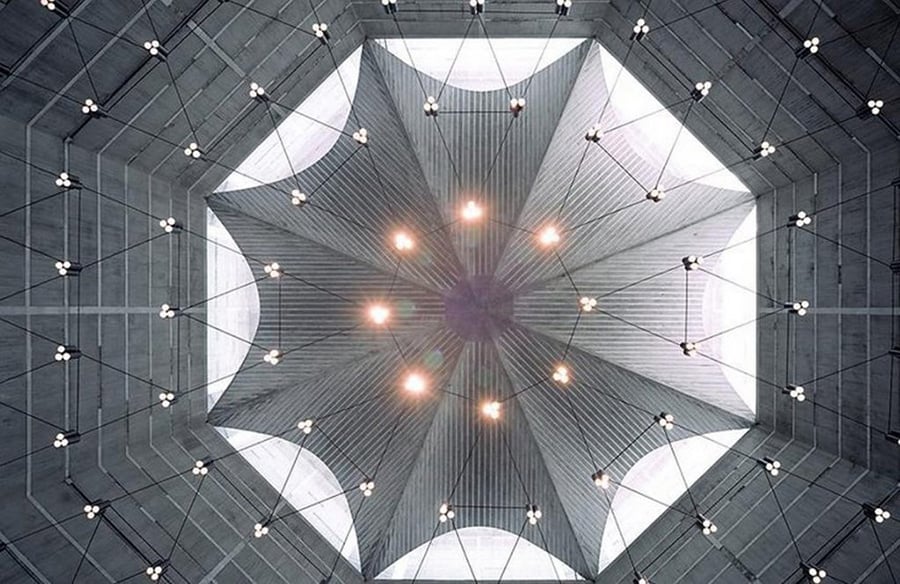
Luminous Geometry and Monumental Scale The National Parliament House is characterized by its monumental scale and geometric precision. Kahn’s design incorporates a series of interlocking geometric shapes, creating a visual symphony that resonates with the surrounding landscape. The use of natural light is integral to this design, with carefully placed openings and light wells defining the building’s luminous character.
Strategic Courtyards for Illumination One of the innovative features of the National Parliament House is the strategic incorporation of courtyards. These open spaces serve a dual purpose—they provide ventilation and act as light wells, allowing sunlight to penetrate the building’s interior. The courtyards, positioned thoughtfully within the geometric layout, contribute to the overall luminosity of the parliamentary complex.
Construction Techniques:
Sculpting Light with Materials Louis Kahn’s choice of materials plays a crucial role in sculpting and diffusing natural light within the National Parliament House. The extensive use of travertine, a light-colored and translucent stone, reflects and refracts sunlight, creating a play of shadows and highlights. The materiality of the building becomes a medium through which natural light becomes an integral part of the architectural experience.
Reflective Pools and Sun Path Analysis Reflective pools surround the National Parliament House, acting as mirrors that capture and amplify sunlight. The strategic placement of these pools, combined with meticulous sun path analysis, ensures that the building receives optimal natural light throughout the day. This approach not only enhances illumination but also creates a visually captivating interplay between light and water.
Sustainability Impact:
Energy Efficiency Through Daylight Harvesting While sustainability may not have been a central consideration during the building’s conception, the design inadvertently embraces principles of energy efficiency. The extensive use of natural light minimizes the reliance on artificial lighting during daylight hours, contributing to overall energy efficiency. This passive approach to daylight harvesting aligns with contemporary sustainability practices.
Thermal Comfort and Natural Ventilation The strategic placement of courtyards and openings not only maximizes natural light but also facilitates natural ventilation. This dual approach enhances thermal comfort within the National Parliament House, reducing the need for mechanical cooling systems. The unintentional sustainability impact underscores the building’s responsiveness to its climatic context.
User Experience:
Symbolic Illumination for Officials and Visitors For officials and visitors entering the National Parliament House, the experience is imbued with symbolic illumination. The interplay of light and shadow within the geometric interiors becomes a metaphor for transparency and democratic ideals. The carefully crafted illumination creates an environment that fosters focus, contemplation, and a sense of collective purpose.
Architectural Pilgrimage for Design Enthusiasts Beyond its political significance, the National Parliament House has become an architectural pilgrimage site for design enthusiasts and scholars. The opportunity to witness the orchestration of natural light within Kahn’s geometric masterpiece draws visitors from around the world. The building stands as a testament to the enduring impact of thoughtful design in shaping the human experience.
Architectural Legacy and Global Influence:
Influence on Modernist and Civic Architecture The National Parliament House’s influence extends beyond Bangladesh, leaving an indelible mark on modernist and civic architecture globally. Its geometric rigor, innovative use of natural light, and symbolic resonance have inspired architects seeking to integrate function, form, and meaning in monumental structures. The building’s legacy contributes to ongoing conversations about the role of architecture in shaping civic identity.
Recognition and Conservation Efforts The National Parliament House’s recognition as a UNESCO World Heritage Site underscores its cultural and architectural significance. Preservation efforts ensure that Kahn’s vision endures, providing future generations with a tangible link to Bangladesh’s history and aspirations. The ongoing conservation work highlights the commitment to safeguarding this architectural treasure.
Conclusion:
The National Parliament House in Bangladesh stands as a symphony of illumination and architectural splendor, where the innovative use of natural light becomes a metaphor for transparency and democratic ideals. Louis Kahn’s meticulous design, enriched with geometric precision and strategic courtyards, showcases the transformative power of light within a monumental context. The statistical impact of increased natural light within the National Parliament House not only elevates the architectural experience but also symbolizes the resilience and aspirations of a nation. As architects and enthusiasts continue to explore the interplay between light, form, and meaning, the National Parliament House remains a shining example of how architecture can transcend its physicality to become a luminous embodiment of collective identity and purpose.