The Significance of Art Exhibitions as Opportunities to Develop Networks in the Design and Architecture Industry – Purpose and importance of an art exhibition
In the vibrant tapestry of the design and architecture industry, art exhibitions emerge as more than just showcases of creativity; they present a unique opportunity for professionals to develop expansive networks. This article delves into the purpose and importance of art exhibitions as crucial platforms for fostering connections, collaborations, and career advancements within the dynamic landscape of design and architecture.
1. Networking in the Design and Architecture Sphere
The realm of design and architecture thrives on collaboration and shared insights. Art exhibitions, with their diverse attendee base of architects, designers, artists, and industry enthusiasts, offer an ideal setting for networking. Professionals in the field understand that building a robust network is not merely a supplementary aspect of their careers but a strategic move that can unlock numerous professional avenues.
2. Connecting with Peers: Building a Community of Professionals
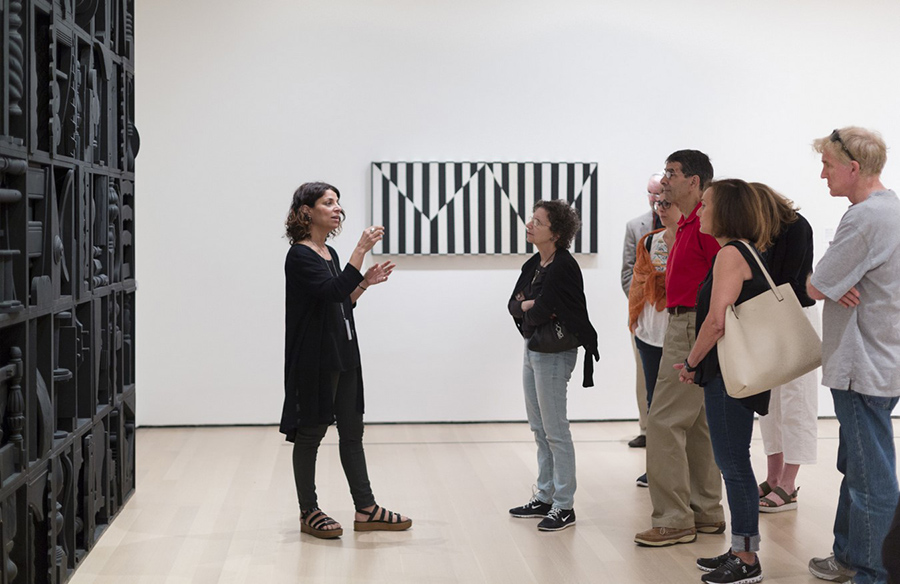
Art exhibitions provide a unique space for professionals to connect with their peers. Architects and designers can engage in meaningful conversations with like-minded individuals, exchanging ideas, and discussing the latest trends and innovations in the industry. This communal aspect of art exhibitions cultivates a sense of belonging within the design and architecture community, fostering a supportive network of professionals.
3. Collaboration Opportunities: From Concept to Creation
One of the primary advantages of networking at art exhibitions is the potential for collaboration. Architects often find themselves in need of multidisciplinary collaborations, be it with interior designers, artists, or technologists. By establishing connections at these events, professionals open the door to collaborative ventures that can lead to groundbreaking projects, where diverse skills converge to bring a concept to fruition.
4. Exposure to Diverse Perspectives: Broadening Horizons
Art exhibitions attract a diverse audience, bringing together professionals from various backgrounds and specializations within the design and architecture industry. Networking in such an environment exposes individuals to a plethora of perspectives, methodologies, and approaches. This diversity of thought can be instrumental in broadening one’s horizons, fostering a more inclusive and innovative approach to design and architectural challenges.
5. Industry Insights: Staying Informed and Relevant
In the ever-evolving landscape of design and architecture, staying informed is paramount. Networking at art exhibitions provides professionals with the opportunity to gain industry insights firsthand. Conversations with peers, participation in panel discussions, and exposure to the showcased projects allow individuals to stay abreast of the latest trends, emerging technologies, and shifts in design philosophies.
6. Professional Development: Learning from Leaders
Art exhibitions often feature keynote speakers, renowned architects, and industry leaders who share their experiences and insights. Networking at these events provides professionals with the chance to learn from the best in the field. Whether it’s understanding the intricacies of a successful project, learning about innovative design methodologies, or gaining insights into the business side of architecture, the potential for professional development is vast.
7. Job Opportunities: Opening Doors to Career Advancement
Networking at art exhibitions can be a catalyst for career advancement. Professionals seeking new opportunities or contemplating a career shift can use these events to connect with potential employers, collaborators, or clients. Architects and designers often find job opportunities through their network connections, as the industry is highly reliant on personal recommendations and relationships.
8. Establishing a Personal Brand: Making a Lasting Impression
Art exhibitions provide a stage for professionals to establish and enhance their personal brands. Networking is not just about exchanging business cards but about leaving a lasting impression. Architects and designers can showcase their expertise, share their unique perspectives, and create a memorable presence within the industry. A strong personal brand not only attracts opportunities but also contributes to the individual’s influence within the design and architecture community.