Eco-Mosques – Topics related to Sustainable Architecture
In the intersection of faith and sustainability, the emergence of Eco-Mosques represents a harmonious integration of architectural brilliance and environmental stewardship. This article navigates through the profound design principles and sustainable features that define Eco-Mosques, showcasing how they encapsulate a commitment to both religious traditions and ecological responsibility.
Global Energy Consumption: A Mosque’s Environmental Footprint
Understanding the global energy consumption of religious structures, including mosques, is paramount. Statistics reveal that places of worship contribute significantly to energy usage. Eco-Mosques address this challenge by adopting sustainable practices, demonstrating that religious buildings can be leaders in environmental responsibility while still serving their communities.
Solar Power Integration: Harnessing Renewable Energy
One of the hallmark features of Eco-Mosques is the integration of solar power. Architects strategically position solar panels to harness renewable energy from the sun. Studies indicate that this not only reduces the ecological impact but also establishes mosques as beacons of clean energy adoption within their communities.
Green Roof Initiatives: Nature Atop the Minarets
Green roof initiatives take root in Eco-Mosques, transforming traditional mosque architecture. Architects incorporate vegetation on mosque rooftops, providing insulation and absorbing rainwater. This innovative approach contributes to biodiversity, reduces energy consumption, and mitigates the urban heat island effect.
Energy-Efficient Lighting: Illuminating with Purpose
Traditional mosques often rely on extensive lighting. Eco-Mosques, however, prioritize energy-efficient lighting solutions. Incorporating LED technology and smart lighting systems not only reduces energy consumption but also enhances the aesthetic appeal of these sacred spaces.
Sustainable Materials: Crafting Mosques with a Purpose
Sustainable materials lie at the heart of Eco-Mosque design. Architects choose eco-friendly materials for construction, ensuring minimal environmental impact. From recycled steel to locally sourced wood, the use of sustainable materials reflects a commitment to responsible architecture that resonates with both religious and ecological principles.
Water Conservation Measures: Nurturing Spiritual and Natural Wellsprings
Water conservation measures play a vital role in Eco-Mosques. Architects implement features such as rainwater harvesting, efficient irrigation systems, and water-recycling technologies. Research indicates that these initiatives not only reduce water usage but also emphasize the sacred connection between water and spirituality in Islamic traditions.
Natural Ventilation: A Breath of Fresh Air
Natural ventilation is a key architectural element in Eco-Mosques, ensuring a constant flow of fresh air. The incorporation of innovative ventilation systems minimizes the reliance on mechanical cooling, creating comfortable prayer spaces while reducing energy consumption.
Community Engagement: Nurturing Environmental Awareness
Eco-Mosques actively engage their communities in environmental awareness and sustainable practices. Through educational programs and community outreach, these mosques become catalysts for positive change, fostering a sense of responsibility towards the environment among their congregants.
Case Studies: Architectural Icons of Sustainability
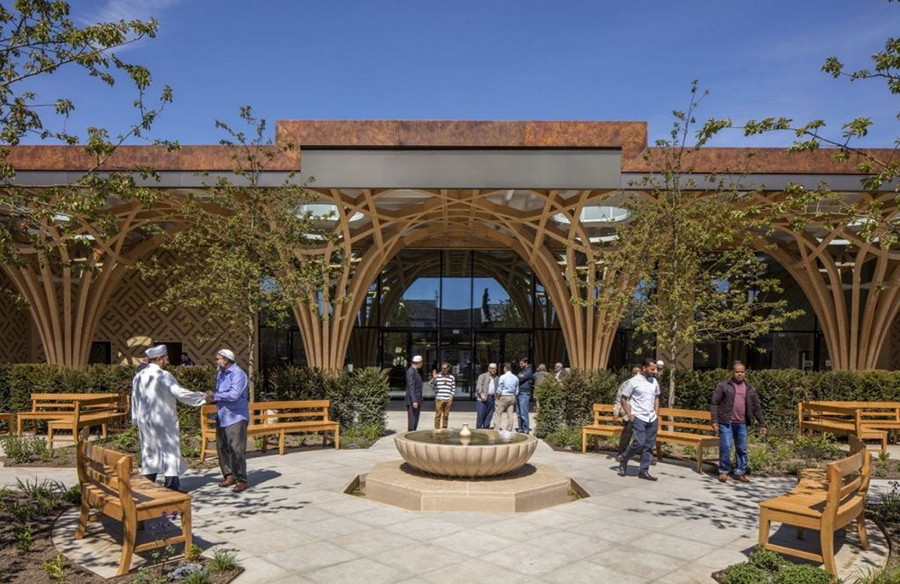
Examining case studies of Eco-Mosques around the world provides a glimpse into the diversity of sustainable design approaches. From the King Abdullah Mosque in Jordan with its striking solar-paneled canopy to the Kaplankaya Mosque in Turkey blending contemporary design with ecological consciousness, these architectural icons inspire a global movement towards sustainable sacred spaces.
Conclusion: A Testament to Faith and Environmental Guardianship
In conclusion, Eco-Mosques stand as a testament to the union of faith and environmental guardianship. Architects, as stewards of this unique architectural niche, showcase that mosques can transcend their traditional roles and become symbols of sustainability. The commitment to green practices in mosque design not only aligns with ecological responsibility but also reinforces the values of conservation and stewardship inherent in religious teachings. The journey towards Eco-Mosques represents an architectural pilgrimage where spirituality and sustainability intertwine, creating spaces that are not only sacred but also sustainable for generations to come.