Wetland Restoration – Topics related to Sustainable Architecture
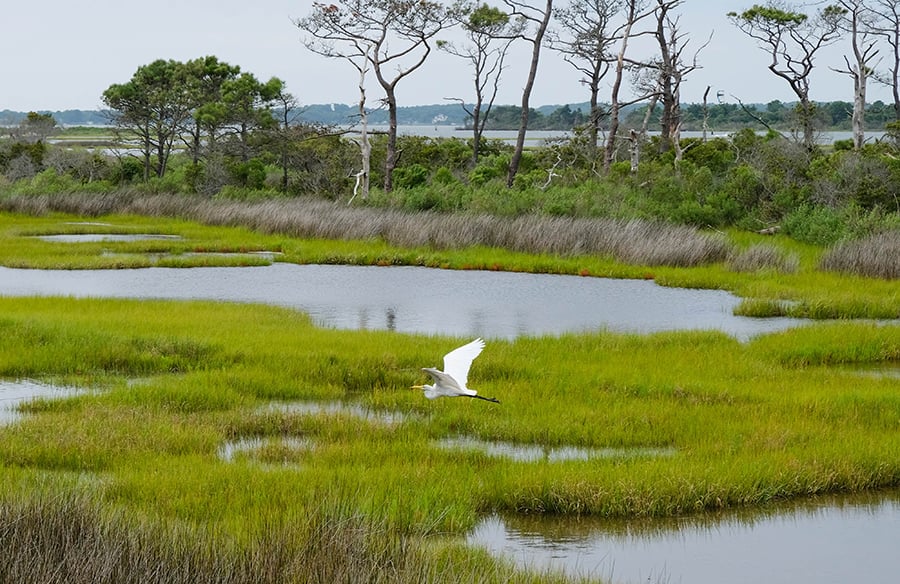
In the realm of sustainable architecture, the restoration of wetlands emerges as a critical imperative to preserve biodiversity and mitigate the environmental impact of human activities. This article delves into the multifaceted dimensions of wetland restoration, exploring the architectural strategies that contribute to the revival and conservation of these invaluable ecosystems.
Global Wetland Decline: A Statistical Wake-Up Call
A statistical wake-up call underscores the global decline of wetlands. According to the Ramsar Convention, wetlands are disappearing three times faster than forests, with an estimated 35% lost between 1970 and 2015. Architects engaged in wetland restoration acknowledge the urgent need to reverse this trend, recognizing wetlands as vital contributors to ecological balance, flood control, and the sustenance of diverse flora and fauna.
Wetlands as Carbon Sinks: A Climate-Responsive Design Approach
Wetlands play a crucial role as carbon sinks, sequestering significant amounts of carbon dioxide. Research indicates that healthy wetlands contribute to climate change mitigation by absorbing and storing carbon, making them integral to global efforts in achieving carbon neutrality. Architects adopting a climate-responsive design approach in wetland restoration leverage this capacity to address environmental challenges and contribute to broader climate resilience.
Architectural Strategies for Wetland Restoration: A Holistic Vision
Architects adopt a holistic vision in wetland restoration, employing multifaceted strategies to revive and enhance these ecosystems. From controlled water management to habitat creation, each architectural intervention aims to strike a balance between human needs and ecological preservation. Case studies showcase projects where innovative design plays a pivotal role in wetland rehabilitation, transforming degraded areas into thriving, biodiverse landscapes.
Biodiversity Conservation in Wetland Restoration: A Blueprint for Ecosystem Health
Biodiversity conservation stands as a blueprint for ecosystem health in wetland restoration projects. Architects prioritize the creation of habitats that support a diverse array of plant and animal species. Research reveals that reintroducing native vegetation, constructing artificial wetland features, and implementing sustainable land-use practices contribute to the overall health and resilience of wetland ecosystems.
Water Quality Improvement: A Vital Ecosystem Service
Wetlands serve as natural filters, playing a vital role in improving water quality. Architectural designs focus on optimizing this ecosystem service by enhancing wetland vegetation, creating buffer zones, and implementing eco-friendly stormwater management systems. Studies indicate that these interventions not only contribute to cleaner water sources but also reduce the environmental impact of pollutants on downstream ecosystems.
Flood Control and Disaster Resilience: Architectural Innovations
Architectural innovations in wetland restoration extend to flood control and disaster resilience. Wetlands act as natural buffers against floods, absorbing excess water and reducing the risk of catastrophic events. Case studies highlight projects where architects integrate innovative floodplain designs, levees, and controlled release mechanisms to enhance wetland resilience, providing communities with effective protection against natural disasters.
Community Engagement: Fostering Stewardship
Fostering community engagement is a cornerstone of successful wetland restoration. Architects actively involve local communities in the design and implementation of restoration projects, emphasizing the importance of wetlands in their daily lives. Research indicates that community stewardship fosters a sense of ownership, ensuring the long-term sustainability of restored wetland areas and promoting a collective commitment to environmental conservation.
Regulatory Frameworks: Balancing Conservation and Development
Navigating the delicate balance between conservation and development requires robust regulatory frameworks. Architects collaborate with environmental agencies and policymakers to ensure that wetland restoration projects adhere to conservation principles while accommodating essential human activities. Case studies showcase successful initiatives where regulatory frameworks contribute to the sustainable coexistence of wetlands and urban development.
Future Outlook: Wetland Restoration as a Pillar of Environmental Sustainability
In conclusion, wetland restoration stands as a pillar of environmental sustainability, with architects playing a pivotal role in shaping the future of these ecosystems. The integration of innovative designs, biodiversity conservation, and community engagement positions wetland restoration as a transformative endeavor. The journey towards preserving and reviving wetlands reflects a commitment to ecological balance, climate resilience, and the enduring beauty of nature—a vision architects are uniquely positioned to champion for the benefit of present and future generations.