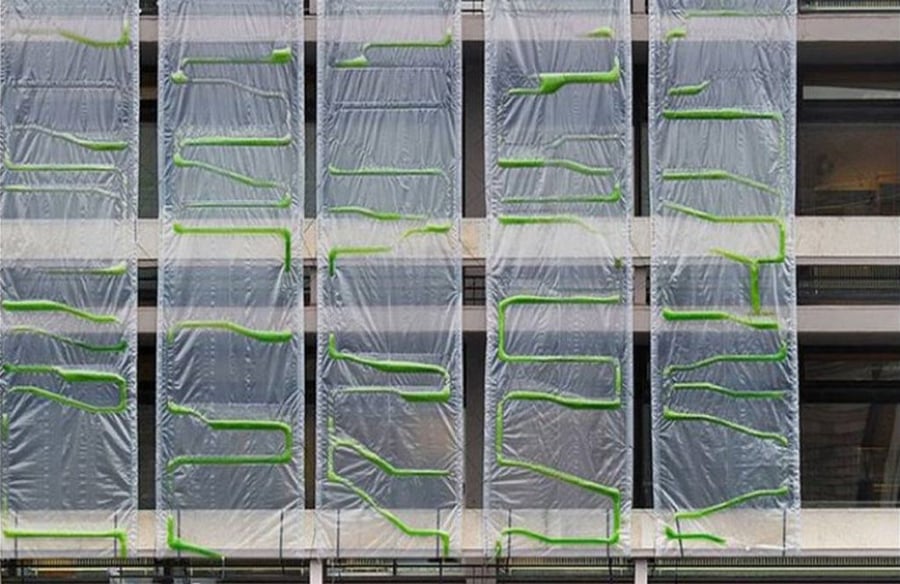
Algae Curtains – Cost effective materials in construction
In the dynamic landscape of sustainable architecture, innovative solutions continue to emerge, pushing the boundaries of design and construction. One such groundbreaking concept is the integration of algae curtains – an avant-garde approach that combines aesthetics with environmental functionality. This article explores the fascinating world of algae curtains, delving into their sustainable applications, cost-effectiveness, and transformative potential in modern architecture.
Understanding Algae Curtains in Architecture
Algae curtains represent a fusion of nature and technology, offering a novel way to integrate living organisms into architectural design. These curtains consist of algae-filled tubes or panels strategically placed on building facades, harnessing the photosynthetic capabilities of algae to generate energy, provide shade, and contribute to a healthier urban environment.
Components of Algae Curtains
- Algae Modules: These are the heart of algae curtains, containing living algae cultures. These modules are designed to optimize the photosynthetic process and ensure the well-being of the algae.
- Transparent Enclosures: The algae modules are encapsulated in transparent enclosures, allowing sunlight to penetrate while protecting the algae from external elements. These enclosures can be integrated into various architectural elements such as windows or panels.
- Water Circulation System: Algae curtains require a water circulation system to maintain the moisture levels necessary for algae growth. This system may include pumps, pipes, and water reservoirs.
Sustainable Applications of Algae Curtains
Algae curtains offer a range of sustainable applications that go beyond conventional building materials, providing architects and designers with a canvas for innovative and environmentally conscious creations.
-
Energy Generation
Algae curtains can contribute to energy generation through the photosynthetic process. The algae convert sunlight into energy, and this energy can be harnessed through various technologies, such as photovoltaic cells, to supplement the building’s power needs.
-
Shading and Temperature Regulation
The transparency of algae curtains allows for controlled shading, reducing solar heat gain during peak hours. This natural shading effect aids in temperature regulation, potentially lowering the need for artificial cooling systems.
-
Air Purification
Algae, as photosynthetic organisms, absorb carbon dioxide and release oxygen during their growth process. Integrating algae curtains into buildings enhances air quality by acting as a natural air purifier, mitigating the impact of urban pollution.
-
Aesthetic Integration
Algae curtains offer a visually striking element to architectural design. The dynamic interplay of light and color as the algae photosynthesize adds an aesthetic dimension, creating visually engaging facades that evolve with the changing seasons.
Advantages of Algae Curtains in Architecture
The incorporation of algae curtains into architectural projects brings forth a multitude of advantages, establishing them as a promising sustainable design element.
Renewable Energy Generation
Algae curtains contribute to renewable energy generation by harnessing solar energy through photosynthesis. The generated energy can be utilized to power lighting systems or other building functions, reducing reliance on non-renewable energy sources.
Carbon Sequestration
Algae are effective carbon dioxide absorbers, aiding in the reduction of greenhouse gas emissions. By integrating algae curtains, buildings can actively participate in carbon sequestration, contributing to environmental sustainability.
Biophilic Design
The integration of living organisms into architectural design aligns with biophilic principles, fostering a connection between occupants and the natural environment. Algae curtains create spaces that promote well-being and harmony with nature.
Versatility in Design
Algae curtains offer versatility in design, allowing architects to experiment with various configurations and placements. From entire building facades to interior partitions, the adaptability of algae curtains enhances creative possibilities in architectural expression.
Considerations for Algae Curtain Implementation
While the benefits are enticing, the successful implementation of algae curtains requires careful consideration of various factors to ensure optimal performance and longevity.
Algae Species and Maintenance
Selecting suitable algae species for the climate and environment is crucial. Additionally, regular maintenance is essential to monitor algae health, prevent contamination, and optimize performance.
Water Management
Efficient water management is vital for the success of algae curtains. Balancing water circulation, nutrient levels, and preventing water stagnation are key considerations to maintain optimal algae growth.
Integration with Building Systems
Algae curtain systems need seamless integration with building systems, including water supply, electrical connections for energy generation, and compatibility with existing architectural elements.
Innovations and Future Developments
As technology and sustainability goals evolve, ongoing innovations in algae curtain technology continue to enhance their capabilities and broaden their potential applications.
Smart Algae Curtain Systems
The integration of smart technologies, such as sensors and automation, allows for real-time monitoring of algae health and environmental conditions. Smart systems can optimize performance and provide valuable data for building management.
Hybrid Systems
Combining algae curtains with other sustainable technologies, such as solar panels or rainwater harvesting systems, creates hybrid solutions that maximize energy efficiency and resource utilization.