What is Kengo Kuma’s ideology? Kuma argues for an “architecture of defeat” — buildings that lose themselves in their surroundings instead of dominating them. Rejecting the monumental concrete and steel “object”, he dissolves volume into layered natural materials — wood lattices, stone, paper, earth — so that architecture is experienced as particles, light and texture rather than form. It is a philosophy he has built at every scale, from teahouses to the Japan National Stadium.
| Born | 8 August 1954, Yokohama, Japan |
| Practice | Kengo Kuma & Associates (founded 1990); professor emeritus, University of Tokyo |
| Philosophy | “Anti-object” / makeru kenchiku (the architecture of defeat) — dissolving buildings into place with natural materials |
| Signature works | Japan National Stadium, Tokyo (2019) · V&A Dundee (2018) · Nezu Museum (2009) · Asakusa Culture and Tourism Center (2012) · Yusuhara Wooden Bridge Museum (2010) |
| Newest work | Entrance gallery, Angers Cathedral, France (opened April 2026) |
| In design | New wing for the National Gallery, London; his first US museum building, for the Brandywine Museum of Art, Pennsylvania |
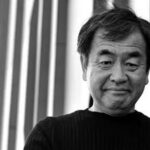
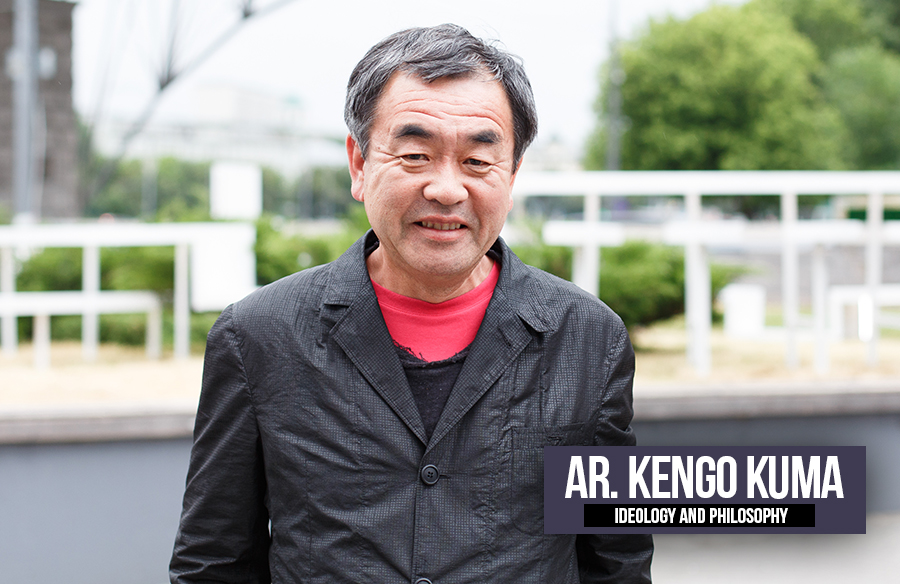
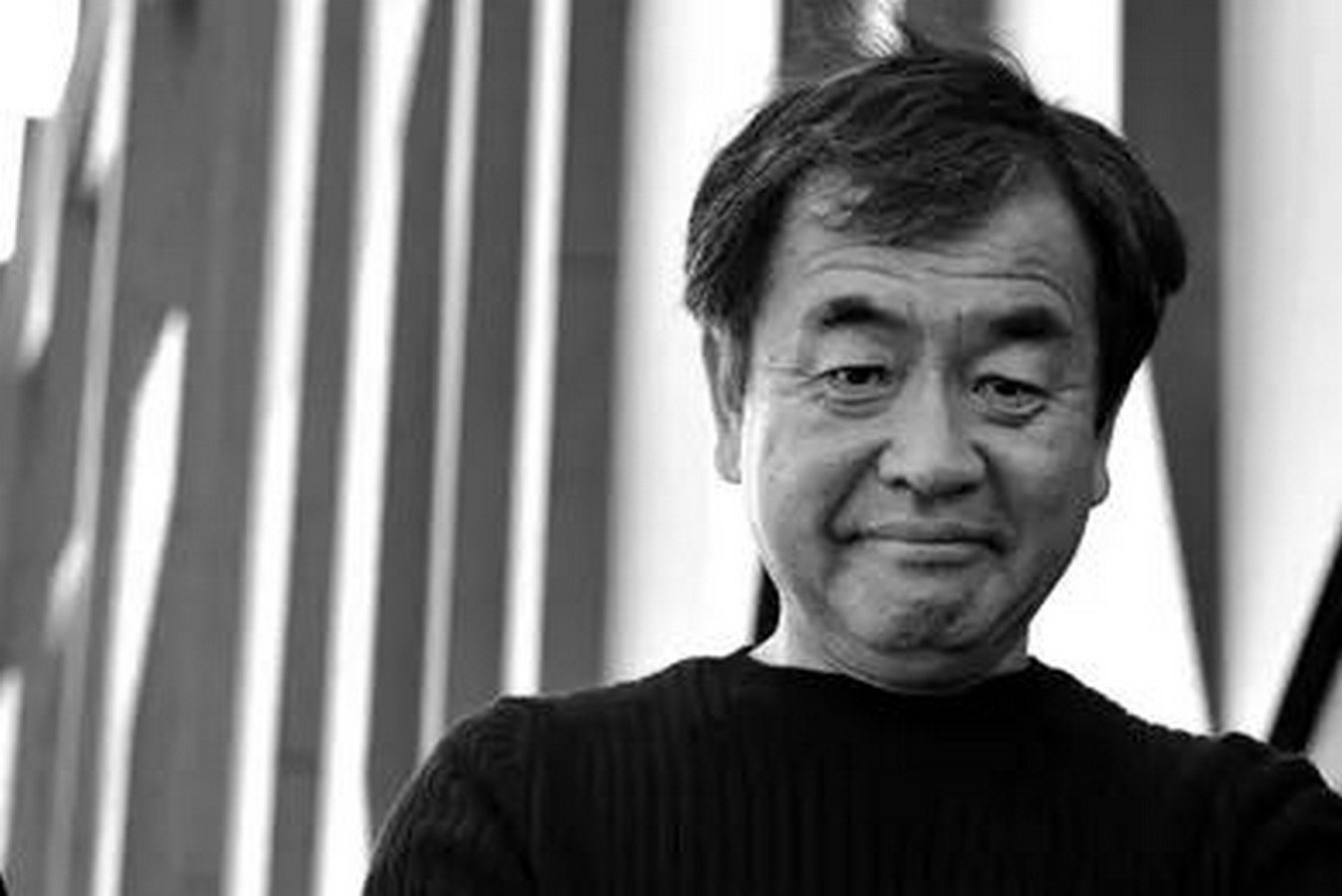
Born in 1954, Kengo Kuma (隈 研名, Kuma Kengo) is a well-known Japanese architect and an emeritus professor at the University of Tokyo’s Department of Architecture (Graduate School of Engineering). In addition to being recognized for his prolific writings, he is often likened to contemporary authors Shigeru Ban and Kazuyo Sejima.
Kuma’s declared objective is to reclaim and reinterpret the legacy of Japanese architecture and reinterpret it for the twenty-first century. His ongoing pieces are deeply interested in using materiality2 to manipulate light concerning nature. The Japan National Stadium in Tokyo, which was constructed for the 2020 Summer Olympics, was designed by him.
Kuma started the Spatial Design Studio in 1987 and Kengo Kuma & Associates¹, his own company, in 1990. he established his firm, Kengo Kuma & Associates¹. The firm employs over 300 architects in Tokyo, China (Beijing and Shanghai), and Paris, designing projects of diverse types and scales worldwide.
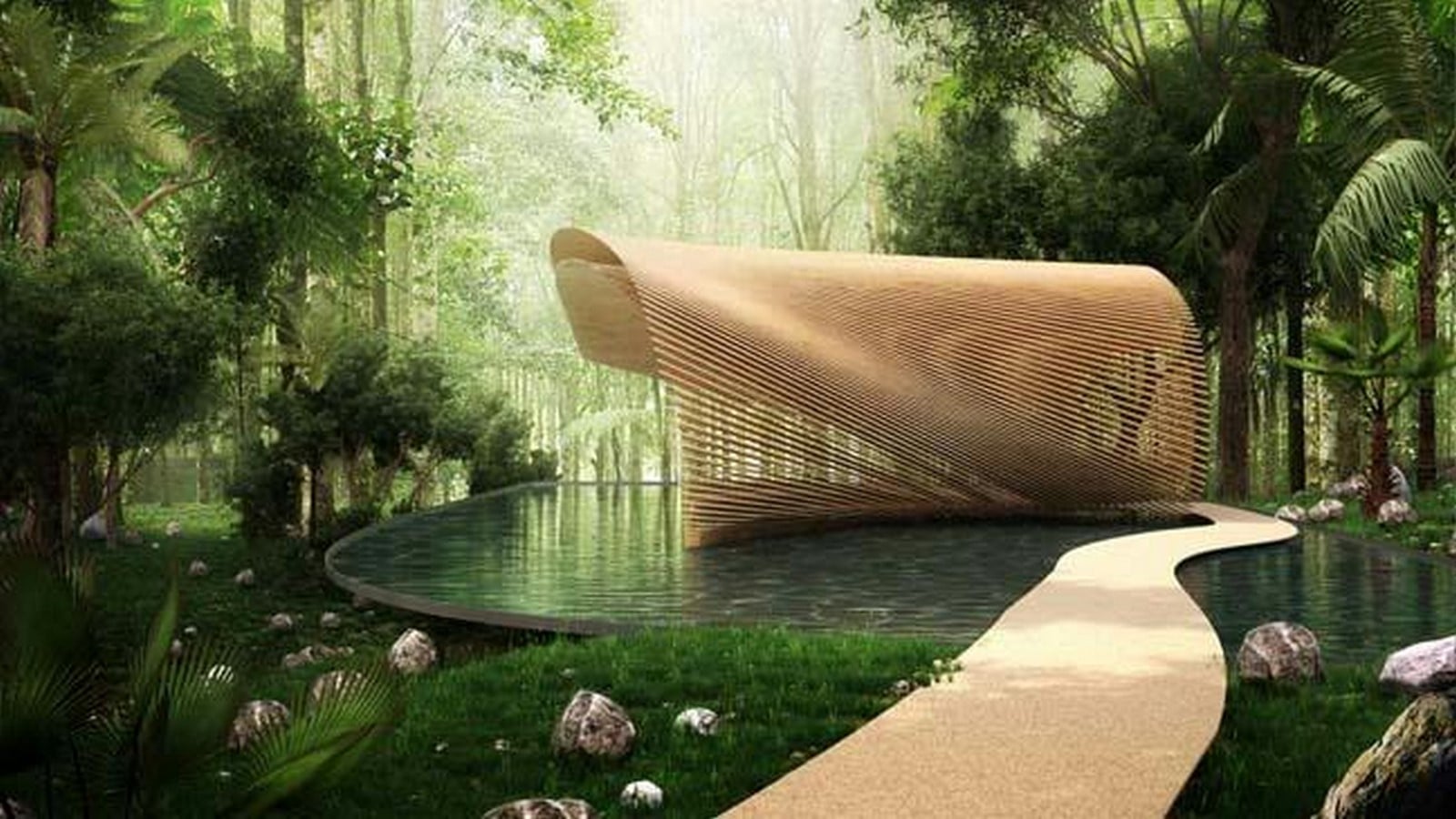
Kuma’s work is characterized by his innovative use of natural materials and new ways of thinking about light and lightness. His architecture enhances rather than dominates its surroundings. His seminal text “Anti-Object: The Dissolution and Disintegration of Architecture” written in 2008, calls for an architecture of relations, respecting its surroundings instead of dominating them.
The relationship between architecture and the soil lies at the heart of Kengo Kuma’s architectural philosophy. He thinks structures are artifacts developed by humans that will ultimately be removed from their natural surroundings. His goal is to investigate and deepen the relationship between architecture and the terrain.
Kuma’s inventive use of natural materials and different perspectives on light and lightness are features that define his work. His design for architecture complements its environment rather than overpowers it. His 2008 landmark book “Anti-Object: The Dissolution and Disintegration of Architecture” advocates for an architecture of communications that honors rather than dominates its surroundings.
His philosophy of “negative architecture” aims to provide fresh perspectives on architecture through critical thinking. Negative Value Isn’t Negative is a desire to go back to the original, to place the environment front and center, and to give architecture a supporting function rather than a statement of loss.
The conceptual paradigm of architectural regionalism, according to which designs vary substantially according to their location, is embraced by Kuma’s designs. This is because our local identity gives us distinct contextual meanings.
Kuma’s concept, down to its most basic form, is to use his work to create a balance between the natural world, architecture, and human anatomy. He has a preference for unconventional materials, some of which can be abrasive, like stone and wood. Other materials include vinyl, plastic, bamboo, and ceramics. He employs small slices of them, treating them as though they were light wood or glass.
Kengo Kuma has designed numerous unique structures both in Japan and worldwide. His works are often warm, inviting, modest, and reflective of the cities and towns they are erected in¹. Here are some of his significant works:
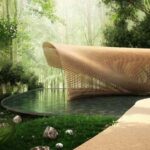
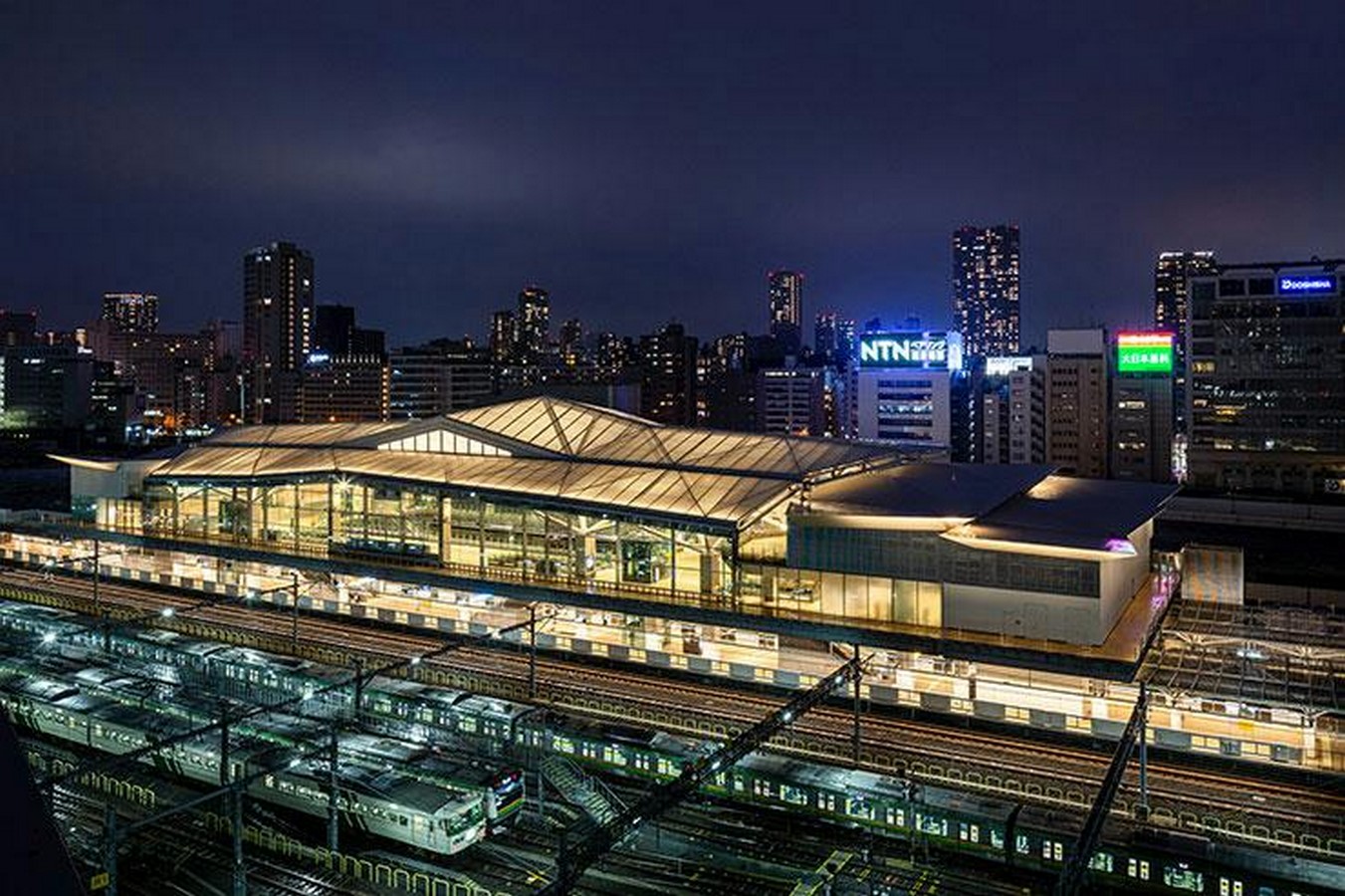
1. Takanawa Gateway Station, Tokyo: This is the newest station on Tokyo’s most important trainline, the Yamanote¹. The station’s exterior is highlighted by its expansive white roof that glows a warm amber at night; the interior of the station is filled with pleasant light and laminated wood beams.
2. Nagaoka City Hall Aore, Nagaoka: Located in Niigata prefecture in the Chubu region of Japan, the city hall contains a semi-outdoor space inspired by the earthen floored rooms in traditional Japanese houses.
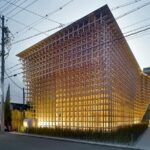
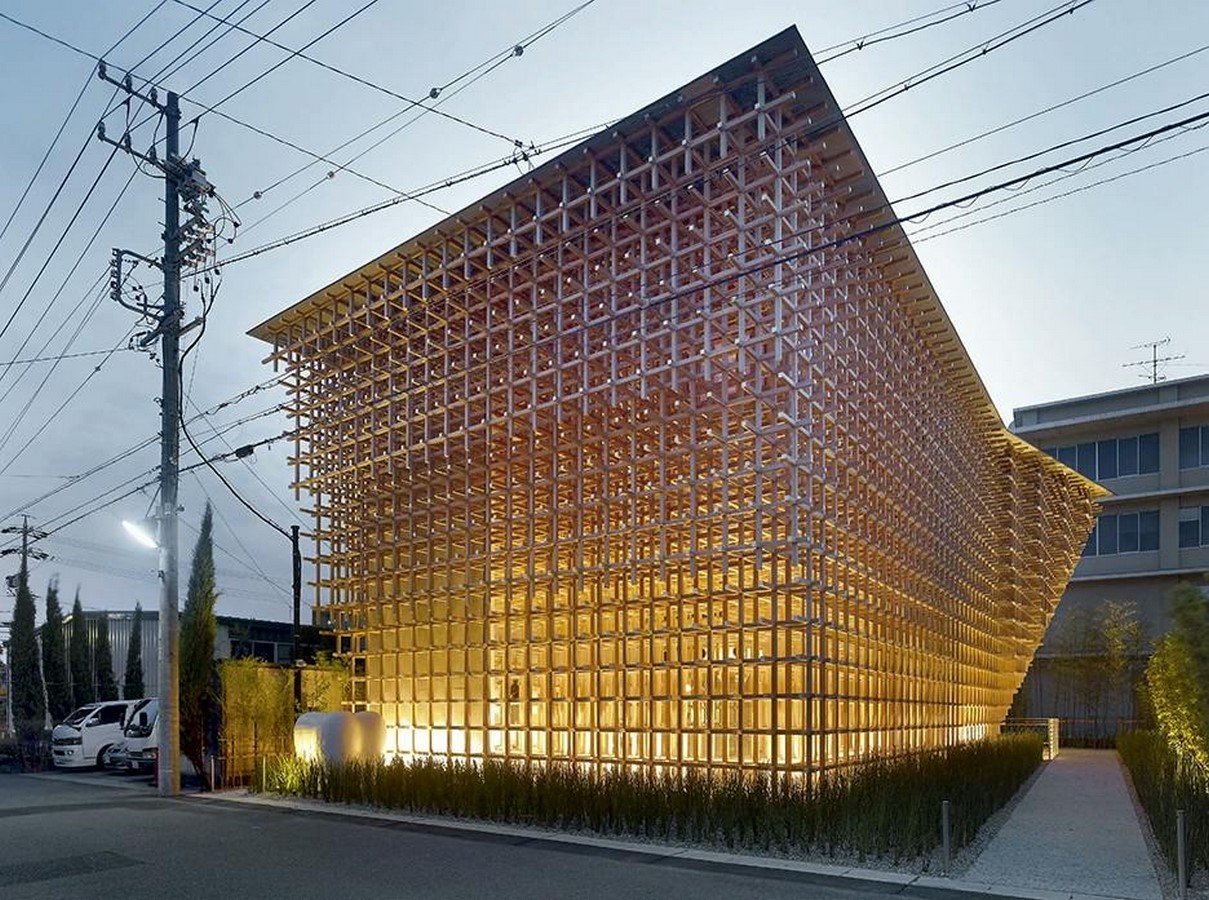
3. GC Prostho Museum Research Center, Japan: A striking facade with a wooden grid clads this museum research center in Kasugai, Japan. At night, light escapes through the wooden slats, making the 10-metre-high building lantern-like.
4. Daiwa Ubiquitous Computing Research Building, Japan: Wooden strips clad the facade of this building, which Kuma designed for the University of Tokyo’s computing facility².
5. Small Bath House in Izu (1988) (with Satoko Shinohara)
6. M2 building (1989–1991)
7. Kiro-San observatory (1994)
8. Kitakami Canal Museum (1994)
9. Water/Glass, Atami (1995)
10. Bato Hiroshige Museum (2000)
11. Stone Museum (2000)
12. Great (Bamboo) Wall House, Beijing (2002)
Kengo Kuma in 2026: Cathedrals, Campaigns and a Busy Eighth Decade
Kuma’s ideas keep landing in unexpected places. In April 2026 his new entrance gallery for Angers Cathedral opened in France: a 21-metre, five-arched canopy cast in concrete made with sand and aggregates from the Loire itself, won in a 2021 competition and intended, in Kuma’s words, to “put ourselves in the shoes of the builders of the Middle Ages.” True to form for contemporary additions to Gothic monuments, it has divided French opinion. Meanwhile his studio is designing a new wing for the National Gallery in London and his first museum building in the United States, for the Brandywine Museum of Art in Pennsylvania — and at home, Kuma has been a prominent backer of the campaign to win UNESCO World Heritage status for Kenzo Tange’s Yoyogi National Gymnasium, the 1964 masterpiece that first made him want to become an architect. For a kindred material philosophy in paper rather than wood, see our guide to the works of Shigeru Ban, the 2026 AIA Gold Medal laureate.
Frequently Asked Questions
What is Kengo Kuma’s design philosophy?
An “anti-object” approach he calls the architecture of defeat: buildings should yield to their environment rather than dominate it. He breaks volumes into fine layers of natural materials — wood, stone, paper, earth — so architecture reads as texture and light instead of mass.
What is Kengo Kuma’s most famous building?
Internationally, the Japan National Stadium built for the Tokyo Olympics (completed 2019), with its layered eaves of wood from all 47 prefectures, and the V&A Dundee in Scotland (2018). In Japan, the Nezu Museum and the Asakusa Culture and Tourism Center in Tokyo are among his most visited works.
What materials does Kengo Kuma use?
Above all wood — typically as slender, repeated lattices — alongside stone, bamboo, paper, earth and glass. The aim is always to replace the single heavy object with small, human-scaled particles of material.
What is Kengo Kuma working on now?
Recent and current work includes the Angers Cathedral entrance gallery in France (opened April 2026), a new wing for the National Gallery in London, and the Brandywine Museum of Art in Pennsylvania — his first museum building in the United States.
Is Kengo Kuma related to Kenzo Tange’s legacy?
Directly: Kuma has said that visiting Tange’s Yoyogi National Gymnasium as a boy in 1964 inspired him to become an architect, and he now supports the campaign for its UNESCO World Heritage listing — even though his own philosophy of dissolving buildings is almost the opposite of Tange’s monumentality.
Sources for the 2026 update: Dezeen (April and May 2026); Kengo Kuma & Associates; Wikipedia.
Source:
(1) Kengo Kuma – Wikipedia. https://en.wikipedia.org/wiki/Kengo_Kuma.
(2) Spotlight: Kengo Kuma | ArchDaily. https://www.archdaily.com/771525/spotlight-kengo-kuma.
(3) The Life & Architectural Career of Kengo Kuma – archisoup …. https://www.archisoup.com/kengo-kuma.
(4) Kengo Kuma | MoMA. https://www.moma.org/artists/44528.
(5) Image source
kengo kuma – Wikipedia https://en.wikipedia.org/wiki/Kengo_Kuma
https://arquitecturaviva.com/works/museo-y-centro-de-investigacion-prostho-3
https://darcawards.com/portfolio/takanawa-gateway-station-japan/