Unleashing the Potential of Virtual Reality in Architecture – Recent Technological Advancements in Architecture That Architects Must Know
In the dynamic realm of architecture, technological advancements continually shape the way architects envision, design, and construct spaces. Among these transformative innovations, Virtual Reality (VR) stands out as a powerful tool, redefining the boundaries of architectural creativity and representation. This article explores the multifaceted applications of Virtual Reality in architecture, highlighting its significance as a game-changer for architects in the Design, Construction, and Architecture Industry.
Virtual Reality in Architectural Visualization
Revolutionizing Design Visualization
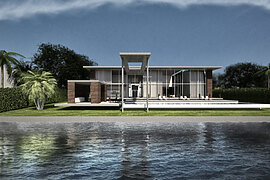
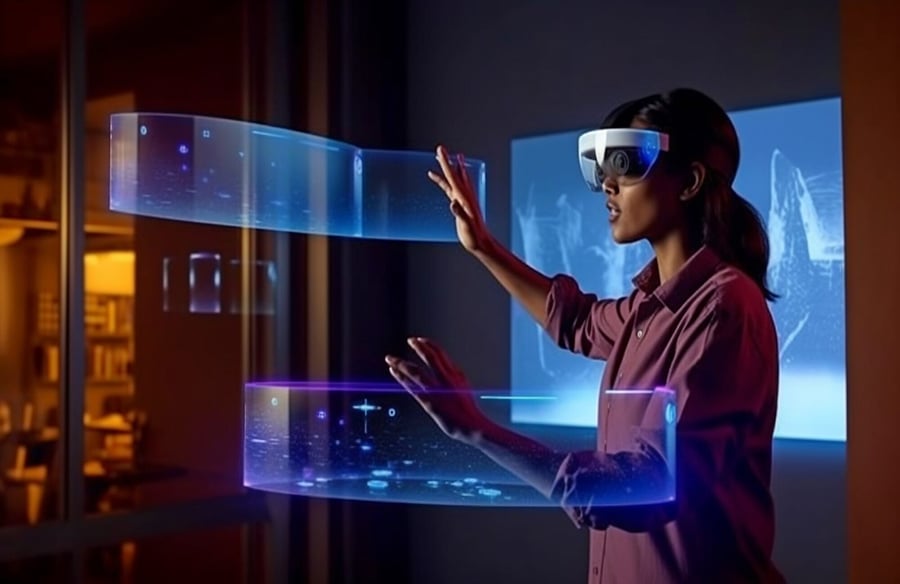
Virtual Reality has revolutionized the way architects visualize and present their designs. Through immersive VR experiences, architects can transport clients and stakeholders into digital replicas of their projects. Apps like Enscape and IrisVR enable architects to seamlessly integrate VR into popular design software, offering a real-time, three-dimensional exploration of architectural spaces. This immersive visualization not only enhances design communication but also provides a more profound understanding of spatial relationships and aesthetics.
Enhancing Client Engagement and Communication
Architects can leverage Virtual Reality to enhance client engagement and communication. VR walkthroughs allow clients to experience the proposed designs firsthand, fostering a deeper connection with the project. This level of interaction facilitates more informed feedback, enabling architects to refine designs collaboratively with clients. VR becomes a powerful tool for aligning visions, minimizing misinterpretations, and ensuring that the final design meets client expectations.
Virtual Reality in Design Collaboration and Coordination
Real-Time Collaborative Design
Virtual Reality transcends geographical boundaries, enabling architects from different locations to collaborate in real-time. Platforms like The Wild and Minsar facilitate virtual design collaboration, allowing multiple users to explore and manipulate 3D models simultaneously. This enhances teamwork, expedites decision-making, and ensures that all stakeholders are actively involved in the design process, regardless of their physical location.
Coordination in Building Information Modeling (BIM)
Integrating Virtual Reality with Building Information Modeling (BIM) elevates coordination efforts during the design and construction phases. Architects can use VR to navigate BIM models in three dimensions, identifying potential clashes, optimizing spatial relationships, and streamlining the coordination process. This immersive approach enhances the precision of design coordination, minimizing errors, and reducing costly modifications during construction.
Virtual Reality for Site Analysis and Contextualization
Site Analysis through Virtual Site Visits
Virtual Reality facilitates site analysis by offering virtual site visits. Architects can use VR to explore site conditions remotely, understanding topography, sun exposure, and contextual surroundings. This information aids in making informed design decisions that respond effectively to site-specific challenges and opportunities. VR-based site analysis enhances architects’ ability to create designs that harmonize with the natural environment.
Contextualization of Designs in Real Environments
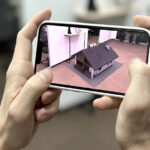
Apps like ARki and Augment extend the capabilities of Virtual Reality by integrating Augmented Reality (AR) for contextualizing designs within real-world environments. Architects can overlay digital models onto physical sites using AR, providing a dynamic understanding of how designs integrate with existing surroundings. This contextualization ensures that architectural solutions consider the broader environmental context and contribute positively to the built environment.
Virtual Reality in the Construction Phase
Enhancing Construction Visualization
Virtual Reality extends its impact into the construction phase by offering enhanced visualization tools. Construction teams can use VR to visualize complex building sequences, review construction methodologies, and identify potential challenges before breaking ground. Apps like InsiteVR and The Wild facilitate collaborative VR experiences, enabling architects and construction teams to align on construction processes and visualize the final built form.
Safety Training and Simulation
Virtual Reality proves invaluable in safety training and simulation for construction projects. VR platforms simulate construction site scenarios, allowing workers to undergo safety training in a controlled virtual environment. This immersive approach enhances safety awareness, reduces on-site accidents, and ensures that construction teams are well-prepared for real-world challenges.
Virtual Reality for Sustainable Design Analysis
Energy Performance Visualization
Virtual Reality contributes to sustainable architecture by visualizing and analyzing energy performance. Architects can use VR to simulate and assess how designs interact with natural light, optimize ventilation, and manage energy consumption. This data-driven approach enhances architects’ ability to create energy-efficient buildings that align with sustainability goals.
Material and Environmental Impact Analysis
Apps like Trezi and Fuzor empower architects to assess the environmental impact of materials within a VR environment. Virtual Reality enables architects to explore material alternatives, considering factors such as embodied energy, recyclability, and life cycle assessments. This analysis informs decisions that prioritize sustainable materials and contribute to the overall ecological responsibility of architectural projects.
Challenges and Future Perspectives
Hardware Limitations and Accessibility
One of the challenges associated with widespread adoption of Virtual Reality in architecture is the hardware limitations and accessibility issues. High-quality VR experiences often require powerful computing equipment and dedicated VR headsets. Overcoming these challenges involves making VR more accessible, ensuring compatibility with a range of devices, and advancing technology to provide seamless experiences on less powerful hardware.
Integration with Design Software and Workflows
As architects integrate Virtual Reality into their design workflows, ensuring seamless compatibility with design software becomes crucial. Standardization and improved interoperability between Virtual Reality platforms and various design tools are essential for a smooth transition between the design phases. The industry’s focus on developing unified standards will facilitate a more integrated and efficient design process.
Conclusion
Virtual Reality has emerged as a transformative force in architecture, offering architects innovative tools to visualize, communicate, and execute their designs. From immersive design visualization to real-time collaboration, Virtual Reality has become an integral part of the architectural workflow.