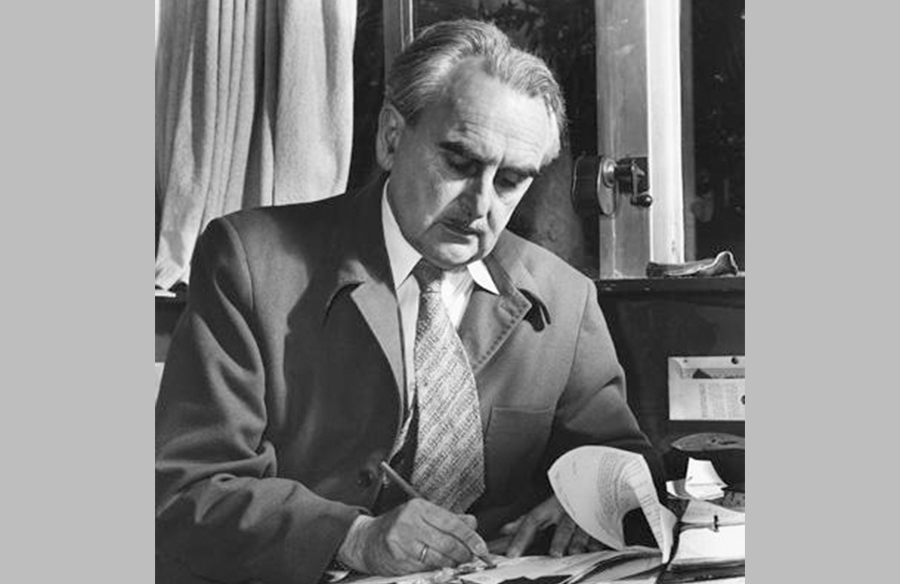
Richard Rogers – Famous Architects in the World of all Time
Richard Rogers, a British architect born in 1933, is celebrated for his groundbreaking designs that redefined modern architecture, emphasizing functionality, sustainability, and urban integration.
Early Life and Architectural Education
Richard Rogers embarked on his architectural journey by studying at the Architectural Association School in London and later at Yale University, where he was influenced by the teachings of renowned architects such as Le Corbusier.
Architectural Philosophy and Design Principles
Rogers believed in architecture as a means of social change. His architectural philosophy focused on creating spaces that were both functional and aesthetically innovative. His designs often showcased structural transparency, celebrating the beauty of materials and the integration of public spaces within buildings.
Iconic Works and Architectural Significance
Rogers’ portfolio includes an array of iconic buildings that reflect his design ethos. The Pompidou Centre in Paris, co-designed with Renzo Piano, remains one of his most celebrated works. Its inside-out design, exposing the building’s structural elements and services, challenged architectural conventions and became a symbol of modernity.
Other notable projects such as the Lloyd’s Building in London and the Millennium Dome (now the O2 Arena) showcase Rogers’ innovative use of technology, sustainable design practices, and his commitment to urban regeneration.
Contribution to Modernism and Technological Innovation
Richard Rogers was a pioneer in utilizing innovative technologies and sustainable practices in architecture. He emphasized the use of modular construction and environmentally friendly materials, advocating for energy-efficient and environmentally conscious design long before it became a mainstream architectural concern.
Awards and Accolades
Rogers’ contributions to architecture earned him numerous accolades, including the prestigious Pritzker Architecture Prize in 2007, acknowledging his profound impact on the field of architecture.
Legacy and Influence
Beyond his architectural achievements, Rogers’ legacy extends through his advocacy for urban planning and sustainable design principles. His writings and teachings have inspired a new generation of architects to prioritize social responsibility, sustainability, and innovation in their designs.
Conclusion
Richard Rogers’ visionary approach to architecture, blending functionality, sustainability, and aesthetic innovation, solidifies his legacy as a transformative force in modern architecture. His iconic buildings stand as testaments to his commitment to pushing the boundaries of architectural design, leaving an indelible mark on the architectural landscape.