Le Corbusier – Famous Architects in the World of all Time
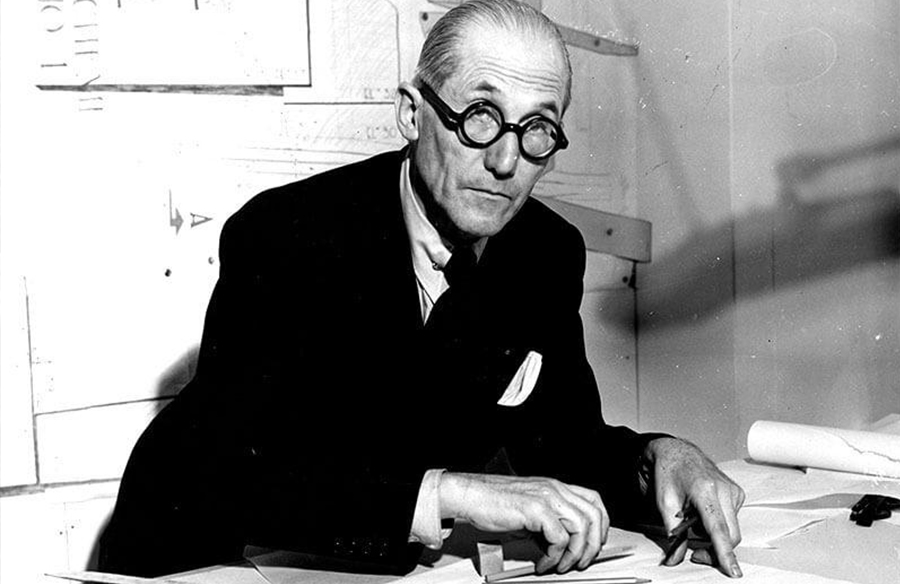
Le Corbusier, born Charles-Édouard Jeanneret-Gris in 1887, stands as one of the most influential architects of the 20th century. His innovative ideas, avant-garde designs, and unwavering commitment to functionality have left an indelible mark on the architectural landscape.
Early Life and Formative Years
Le Corbusier’s early exposure to the Swiss countryside and his training as a watch engraver set the stage for his artistic journey. His architectural education in Europe exposed him to diverse design philosophies, shaping his vision of architecture as a means to enhance the human experience.
Five Points of Architecture
At the core of Le Corbusier’s design principles lay the “Five Points of Architecture,” a manifesto that redefined modern architectural design. These principles advocated for pilotis (supports), flat roofs serving as terraces, open floor plans, horizontal windows, and free facades, emphasizing functionality and rejecting ornamentalism.
Iconic Works
Le Corbusier’s portfolio boasts iconic structures that embody his design principles. The Villa Savoye near Paris, with its raised structure, open floor plan, and ribbon windows, exemplifies his Five Points of Architecture, showcasing a harmonious integration of form and function.
Another notable work is the Unité d’Habitation in Marseille, a pioneering example of modernist urban housing that prioritized light, air, and communal living spaces, revolutionizing residential architecture.
Modular Design and Influence
Le Corbusier’s modular system, known as the “Modulor,” sought to create a harmonic relationship between human proportions and architectural design. This system aimed to establish a universal scale for architectural elements, catering to human comfort and ergonomic functionality.
City Planning and Urban Design
Le Corbusier’s visionary urban plans, including the Radiant City concept, proposed innovative solutions to urban congestion by prioritizing green spaces, separating traffic flow, and designing self-contained communities. While not all his urban visions were realized, they greatly influenced urban planning discourse.
Contributions to Modernism
Le Corbusier’s contributions to the modernist movement were pivotal. His designs and ideologies shaped the architectural zeitgeist of the 20th century, influencing a generation of architects and setting the stage for contemporary design philosophies.
Legacy and Continued Influence
Le Corbusier’s legacy is enduring, as his ideas and designs continue to inspire architects worldwide. His emphasis on functionality, rationalism, and human-centric design remains a cornerstone of architectural discourse.