Marcel Breuer – Famous Architects in the World of all Time
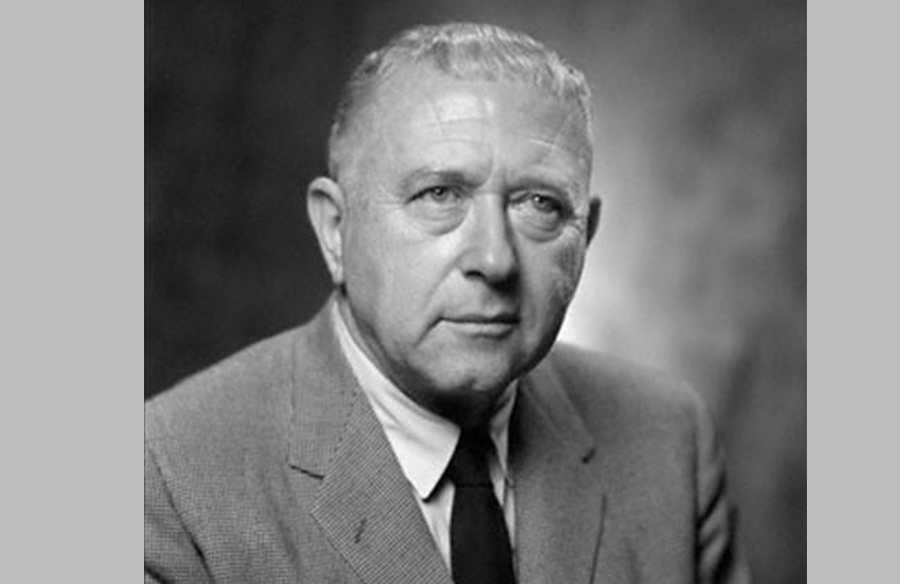
Marcel Breuer, a pioneer of modernist architecture, stands as a pivotal figure whose innovative designs and forward-thinking approach continue to influence the architectural landscape.
Early Life and Education
Born in Hungary in 1902, Marcel Breuer studied at the Bauhaus, where he later became a notable teacher and developed his design philosophy under the tutelage of Walter Gropius. His formative years at the Bauhaus greatly influenced his approach to design and materials.
Introduction to Tubular Steel Furniture
Breuer’s experimentation with tubular steel furniture marked a groundbreaking moment in design history. His iconic Wassily Chair and Cesca Chair, featuring sleek tubular frames and simple lines, revolutionized furniture design and remain influential to this day.
Contributions to Architecture
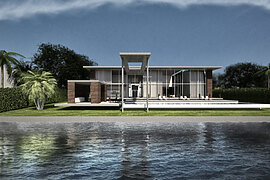
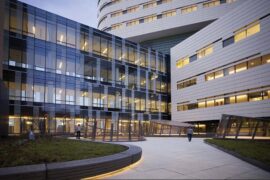
Marcel Breuer’s architectural contributions are marked by a commitment to functionality and the innovative use of materials. His architectural works, often characterized by clean lines and a harmonious integration of industrial materials like concrete and steel, are emblematic of modernist ideals.
Iconic Structures
Breuer’s portfolio includes several iconic structures that reflect his design ethos. The UNESCO Headquarters in Paris, with its sculptural concrete forms, showcases his mastery in creating monumental yet functional buildings that interact harmoniously with their surroundings.
Another notable work is the Whitney Museum of American Art in New York, characterized by its geometric forms and use of concrete, demonstrating Breuer’s ability to blend modernist aesthetics with functional spaces for art display.
Breuer’s Approach to Design
Central to Breuer’s design approach was his belief in the relationship between architecture and its users. He emphasized creating spaces that catered to human needs while embodying a sense of timelessness through simple yet striking design elements.
Legacy and Influence
Marcel Breuer’s legacy extends beyond his architectural works; it lies in his ability to push the boundaries of design and challenge traditional notions of space and form. His impact continues to resonate with architects and designers seeking inspiration from modernist principles.