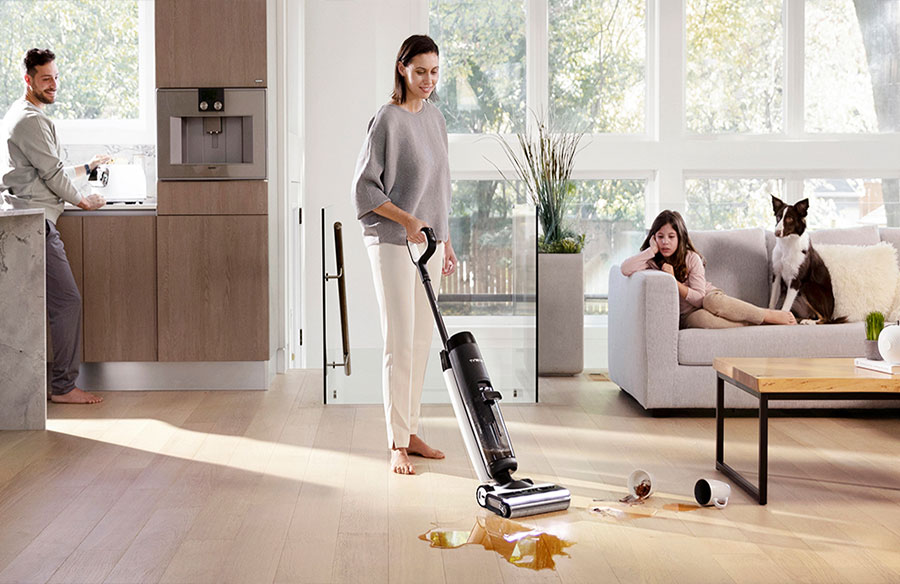
In-home cleaning, the advent of Tineco Wet and Dry Vacuums represents a significant leap forward, embodying the intersection of innovation, efficiency, and practicality. These advanced cleaning tools have redefined what it means to maintain a clean and hygienic space, seamlessly bridging the gap between the need for thorough cleaning and the desire for convenience. This article explores how these innovative vacuums are altering the landscape of home maintenance, offering a glimpse into the future of cleaning technology.
The dual functionality of wet and dry vacuums is at the heart of this change. Cleaning operations have always required distinct instruments for dry dirt and liquid spills. However, combining both functionalities into a single device streamlines the procedure while conserving time and storage space. It’s a step forward in efficiency that fits the fast-paced lifestyle of today’s families. Tineco’s line, in particular, has established a standard in this category, combining power and versatility in a stylish compact.
Another characteristic of these vacuums that stands out is their design and convenience of usage. The days of big, unwieldy cleaning equipment are over. Wet and dry vacuums of today are distinguished by their sleek and user-friendly designs. They are lighter, more maneuverable, and quieter, making cleaning less hassle and a natural part of daily life. Given the differing needs and physical capacities of users of various ages, this ergonomic evolution is critical.
The technological improvements in these vacuums are equally noteworthy. Many models, for example, now include smart features like automated surface identification, adjustable suction power, and even WiFi connectivity for remote operation. These features improve cleaning efficiency and provide a level of ease previously unavailable. Users can now complete various cleaning jobs with the precision and ease previously reserved for professional cleaning services.
Environmental concerns have also influenced the creation of wet and dry vacuums. Modern units are more energy-efficient and frequently have HEPA filters to catch allergens and fine particles, resulting in a healthier indoor atmosphere. The trend toward eco-friendly and sustainable designs is more than simply a fad; it reflects increased consumer concern about the environmental impact of household appliances.
Another critical consideration is the role of these vacuums in business settings. Cleaning challenges confront businesses ranging from small cafes to enormous corporate buildings. Wet and dry vacuums are versatile options that handle different and frequently heavy-duty cleaning needs in these environments. Their ability to move between dry and wet surfaces without using different tools is a game changer for many organizations, resulting in more efficient maintenance and cleaner, more welcoming facilities for customers and employees.
These vacuums have an impact that goes beyond their usefulness. They represent a shift in our perception of and approach to cleaning. It’s no longer about sheer force or wasting time; it’s about smart, productive cleaning that fits into a modern lifestyle. This shift in mindset is critical in a society where time is a valuable commodity and efficiency is frequently the key to juggling the different demands of everyday life.
Despite their numerous advantages, it is critical to approach wet and dry vacuums cautiously. While they provide multiple benefits, they are not a one-size-fits-all answer. The needs of a tiny apartment differ from those of a large family house; thus, the vacuum should be chosen to meet the individual needs of the area and the users. This understanding is crucial for maximizing the benefits of this modern equipment.
When it comes to wet and dry vacuums, it’s critical to investigate the influence of these advancements on various user groups. People with mobility difficulties or disabilities are one population that benefits immensely from these improvements. Due to their weight and unwieldy construction, traditional vacuum cleaners frequently cause major issues for this demographic. However, with lighter frames and more straightforward controls, the latest wet and dry versions make cleaning more accessible to everyone. This inclusiveness is a significant step forward since it allows a broader range of users to maintain their living areas autonomously and pleasantly.
To summarize, the innovation and evolution of wet and dry vacuums indicate a greater shift in our attitude to maintaining our living and working environments, not merely a step forward in cleaning technology. These devices are quickly becoming vital, capable of satisfying the diverse needs of various users and circumstances. These vacuums are altering our expectations and capabilities in preserving cleanliness, whether giving a more accessible cleaning solution for those with physical disabilities or delivering a diverse and efficient option for corporations. Looking ahead, it’s clear that further innovation in this industry will improve our capacity to live and work in cleaner, healthier, and more efficient environments.