The BMW Central Building – Projects That Define Zaha Hadid’s Style
Zaha Hadid’s architectural legacy is epitomized by her groundbreaking designs that push the boundaries of innovation and redefine the relationship between form, function, and space. Among her iconic projects, the BMW Central Building in Germany stands as a testament to her visionary approach to architecture. This article delves into the distinctive features of the BMW Central Building, elucidating how it embodies the essence of Zaha Hadid’s unparalleled architectural style.
Zaha Hadid: An Architectural Pioneer
Zaha Hadid (1950–2016), an acclaimed Iraqi-British architect, revolutionized the field of architecture with her avant-garde designs characterized by fluid geometries and visionary concepts. Her architectural philosophy sought to create dynamic, futuristic spaces that seamlessly integrate with their environments while challenging conventional design norms.
Context and Design Concept of the BMW Central Building
The BMW Central Building, situated in Munich, Germany, was conceived by Zaha Hadid Architects and completed in 2005. Commissioned by BMW, this iconic structure serves as the administrative and social center of the BMW Group, encapsulating the brand’s commitment to innovation and design excellence.
Organic Form and Dynamic Geometry
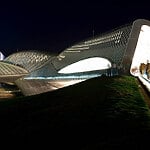
The BMW Central Building exemplifies Hadid’s signature style through its striking organic form and dynamic geometric composition. The structure’s sweeping curves and fluid lines redefine conventional notions of architectural geometry, creating a sense of movement and fluidity that harmonizes with the surrounding landscape. The building’s innovative silhouette, reminiscent of a wave in motion, challenges the static nature of traditional architecture.
Innovative Structural Design
At the core of Hadid’s design ethos lies a fusion of advanced engineering and avant-garde aesthetics. The BMW Central Building showcases this through its pioneering structural design, characterized by a double-curved, free-form roof constructed using steel and glass. The absence of traditional right angles and the interplay of transparent and opaque surfaces create a visually stunning and functionally efficient architectural marvel.
Integration with Surroundings
A hallmark of Zaha Hadid’s approach was the seamless integration of her architectural creations with their contextual surroundings. The BMW Central Building exemplifies this ethos by establishing a dialogue with the adjacent landscape. Its fluid contours and reflective surfaces interact with the natural elements, offering a visually captivating experience that blurs the boundaries between the built environment and nature.
Interior Innovation and Functionality
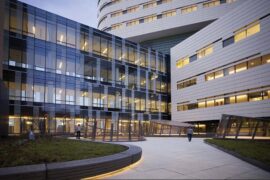
The interior spaces of the BMW Central Building are a testament to Hadid’s commitment to redefining spatial dynamics. The open-plan layout, characterized by fluid transitions and multifunctional spaces, fosters a sense of connectivity and collaboration among occupants. Natural light permeates the interior, facilitated by strategically positioned apertures and glass surfaces, creating a dynamic interplay between light and shadow.
Sustainable Design and Technological Integration
Beyond its aesthetic appeal, the BMW Central Building embodies principles of sustainability and technological innovation. The use of advanced environmental systems, such as natural ventilation and energy-efficient lighting, reflects Hadid’s forward-thinking approach to sustainable architecture. Additionally, the integration of cutting-edge technology seamlessly facilitates the building’s functionalities, enhancing operational efficiency while minimizing its environmental footprint.
Legacy and Influence
The BMW Central Building stands as an architectural masterpiece, symbolizing Zaha Hadid’s enduring legacy and her profound impact on the global architectural landscape. Its groundbreaking design principles, seamless blend of form and function, and commitment to sustainability continue to inspire architects, designers, and enthusiasts worldwide. The building’s influence transcends its physical presence, serving as a beacon of innovation and excellence in contemporary architecture.
Conclusion
The BMW Central Building in Germany stands as a testament to Zaha Hadid’s unparalleled architectural vision and serves as an enduring symbol of innovation and design excellence. Its fluid forms, innovative structural design, integration with the environment, and commitment to functionality and sustainability solidify its status as an iconic landmark in the world of architecture.
As the architectural world continues to evolve, the BMW Central Building remains an exemplar of Zaha Hadid’s ingenuity, pushing the boundaries of architectural possibility and inspiring future generations to envision spaces that seamlessly blend art, technology, and environmental consciousness.