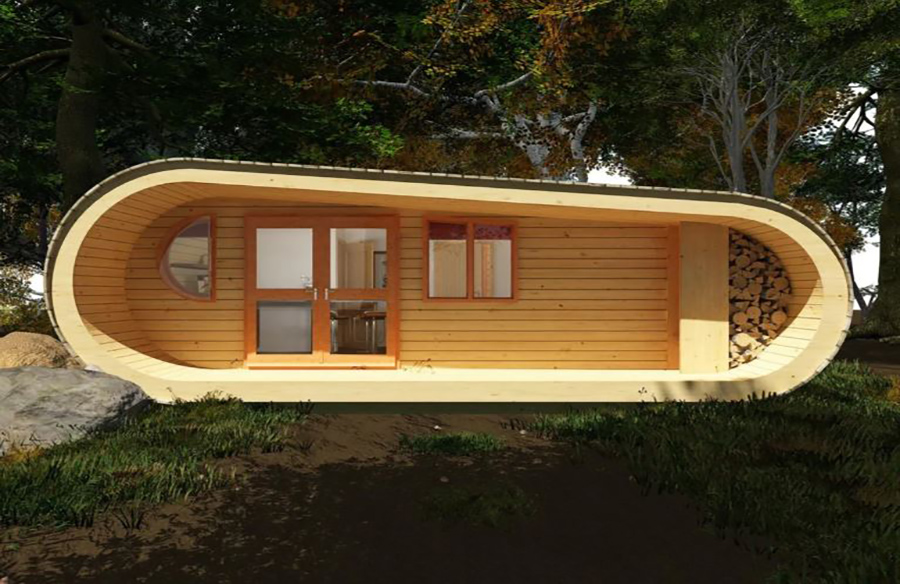
Mobile Homes in Modern Residential Design – Thesis topics related to Residential Design
Mobile homes have evolved significantly in the realm of residential design, transforming from their humble beginnings to become a viable and innovative housing option in contemporary architecture. As the world embraces more sustainable and flexible living solutions, the role of mobile homes in residential design has garnered substantial attention.
Evolution of Mobile Homes
The history of mobile homes traces back to the early 20th century, marked by the advent of trailers and caravans designed for mobility and temporary habitation. These structures were initially basic and utilitarian, primarily used for camping or temporary shelter during travel.
Design Innovations
In recent decades, however, mobile homes have witnessed a remarkable evolution in design and functionality. Architects and designers have embraced cutting-edge technologies and innovative materials to enhance the quality, sustainability, and aesthetic appeal of mobile homes.
Flexibility and Adaptability
One of the primary advantages of mobile homes in residential design is their flexibility. They offer a level of adaptability that traditional homes often lack, allowing inhabitants to relocate easily while still enjoying the comforts of home. This flexibility suits the dynamic lifestyles of modern society, where mobility and flexibility are increasingly valued.
Sustainability and Eco-Friendly Features
The integration of sustainable practices and eco-friendly features has become a focal point in modern mobile home design. Architects are incorporating energy-efficient systems, utilizing recycled materials, and implementing passive design strategies to reduce environmental impact. This commitment to sustainability aligns with the global push towards eco-conscious living.
Technology and Smart Features
Advancements in technology have revolutionized mobile home design. Smart home features, automation, and connectivity have found their way into these dwellings, offering convenience and efficiency to residents. From intelligent climate control systems to integrated security features, technology has elevated the standards of mobile home living.
Customization and Personalization
Contrary to conventional beliefs, mobile homes now offer extensive customization options. Architects and designers collaborate closely with homeowners to create bespoke designs that cater to individual preferences and needs. This level of personalization ensures that mobile homes are not only functional but also reflect the unique style and taste of their occupants.
Challenges and Regulatory Considerations
Despite their many advantages, mobile homes face challenges related to zoning regulations, land use policies, and societal perceptions. In some regions, restrictive regulations limit the placement and utilization of mobile homes, posing hurdles to their widespread adoption in residential design.
Future Trends and Innovations
The future of mobile homes in residential design appears promising. Architects and innovators continue to explore new materials, construction techniques, and design concepts to further enhance the functionality, sustainability, and aesthetics of these dwellings. Concepts like modular construction, 3D printing, and off-grid living are poised to shape the next generation of mobile homes.
Conclusion
Mobile homes have transcended their conventional image, emerging as a symbol of modernity, sustainability, and flexibility in residential design. With ongoing advancements in technology, a commitment to sustainability, and a focus on personalized living experiences, these dwellings are poised to redefine the way we perceive and embrace home design in the 21st century. As architects and designers continue to push boundaries, mobile homes will likely play an increasingly pivotal role in shaping the future of residential living.