Unveiling the Charm of Cob Houses in Residential Design – Thesis topics related to Residential Design
Residential design has witnessed a resurgence of interest in unconventional yet sustainable housing solutions. Among these, Cob houses emerge as timeless structures, rooted in ancient building techniques yet profoundly relevant in modern times. These dwellings, crafted from earth, sand, and straw, offer a compelling blend of sustainability, natural aesthetics, and functional living spaces.
Historical Roots: Tracing the Origins of Cob Construction
Cob houses, also known as adobe or mud houses, trace their origins back centuries, appearing in various forms across different cultures worldwide. The technique involves mixing clay-rich soil with fibrous materials like straw, shaping the mixture into sturdy walls, and allowing it to dry naturally in the sun. This ancient building method showcases the resilience and adaptability of earthen construction, reflecting a harmonious relationship between human habitation and the environment.
Sustainable Building: Principles and Advantages
At the heart of cob houses lies a commitment to sustainability. The use of locally sourced, natural materials minimizes environmental impact while providing excellent thermal mass, regulating indoor temperatures naturally. Cob’s inherent breathability contributes to healthy indoor air quality, reducing the need for mechanical ventilation systems.
Structural Characteristics: Beauty in Simplicity
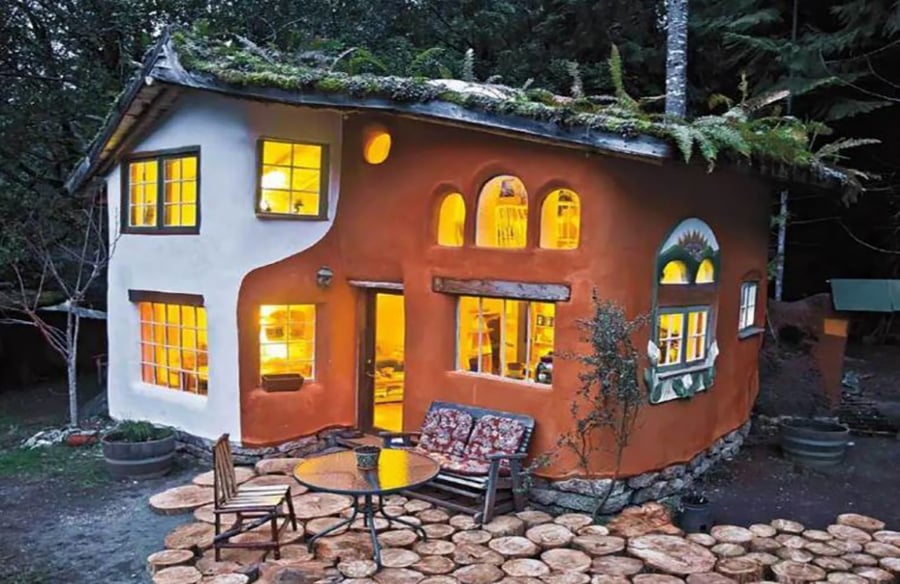
Cob houses are characterized by their organic, sculptural appearance. The malleability of cob allows for free-form shaping, resulting in curved walls, alcoves, and artistic details that add a unique charm to each structure. The thick walls provide excellent insulation, keeping interiors cool in summer and warm in winter, while the absence of toxins in the materials fosters a healthy living environment.
Integration with Nature: Cob’s Relationship with the Environment
The eco-friendly nature of cob houses extends beyond construction materials. These dwellings often incorporate sustainable design elements like passive solar orientation, rainwater harvesting, and natural ventilation strategies. By seamlessly integrating with their surroundings, cob houses exemplify an eco-conscious approach to residential design, blending architecture with the natural landscape.
Modern Adaptations: Cob in Contemporary Design
In contemporary residential design, cob houses have undergone a revival, appealing to individuals seeking a closer connection to nature and a departure from conventional construction methods. Architects and builders have innovated by combining cob with modern techniques, such as incorporating timber frames for structural support and integrating eco-friendly technologies to enhance comfort and efficiency.
Challenges and Opportunities
Despite its numerous advantages, cob construction faces challenges related to building codes, regulations, and misconceptions about its durability. However, ongoing research and advocacy for natural building methods aim to address these obstacles, advocating for the recognition and acceptance of cob houses as viable, safe, and sustainable dwelling options.
Cultural Significance and Community Engagement
Cob houses transcend mere architectural structures; they embody cultural heritage and community engagement. Workshops and educational programs worldwide promote the revival of cob building techniques, fostering a sense of community and empowering individuals to participate in the construction of their own homes using sustainable practices.
The Future of Cob Houses in Residential Design
The future outlook for cob houses in residential design appears promising, with growing interest in environmentally conscious living and a shift towards sustainable architecture. As society seeks alternative housing solutions that prioritize ecological harmony and human well-being, cob houses stand as a testament to the potential of natural building techniques in shaping the future of housing.
In conclusion, cob houses exemplify a timeless architectural form that embodies sustainability, artistic expression, and a deep respect for the environment. Their integration of natural materials, adaptive design, and cultural significance underscores their relevance in contemporary residential design, offering a pathway towards holistic, eco-friendly living.
For enthusiasts and professionals in the realm of design and architecture, exploring the world of cob houses unveils not only a rich history but also a promising future of sustainable, aesthetically pleasing, and environmentally conscious residential spaces. As cob houses continue to inspire, they reaffirm the enduring allure of earth-based construction in shaping a more harmonious relationship between humanity and the natural world.