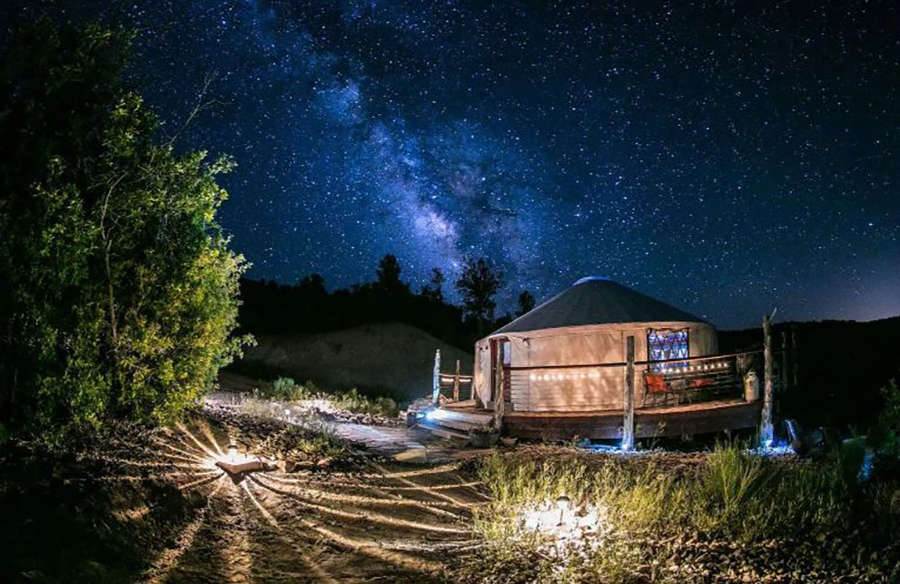
The Evolution of Yurts in Modern Residential Design – Thesis topics related to Residential Design
Residential design has evolved significantly over the years, embracing diverse architectural styles and innovative structures. Among these, the yurt stands out as a unique and adaptable housing form that traces its origins back centuries. Initially utilized by nomadic communities in Central Asia, yurts have gained recognition globally for their efficient use of space, structural integrity, and environmental sustainability.
Historical Roots: Origins and Traditional Construction
Yurts, also known as gers in some regions, have a rich history deeply embedded in the nomadic lifestyles of Central Asian cultures such as the Mongolians, Kazakhs, and Kyrgyz people. Historically, these portable dwellings were crafted using locally sourced materials, primarily wood, felt, and animal skins. The construction process was a testament to ingenuity, employing a lattice wall structure bound by tension to support a circular roof, often crowned with a central opening known as the “tunduk.”
Modern Adaptations: Fusion of Tradition and Contemporary Design
In contemporary residential design, yurts have undergone a remarkable transformation, blending traditional elements with modern innovations. Architects and designers have embraced yurts for their versatility, incorporating durable materials like weather-resistant fabrics, insulated panels, and sturdy frameworks to ensure comfort and durability in various climates.
Structural Adaptability and Spatial Efficiency
One of the most intriguing aspects of yurts in residential design lies in their adaptability to diverse environments. The circular layout not only optimizes space but also allows for natural airflow and energy efficiency. With advancements in design technology, yurts now offer customizable options, enabling homeowners to configure their interiors according to specific needs and preferences.
Sustainability and Eco-Friendly Features
The resurgence of interest in eco-friendly housing has propelled yurts into the spotlight. Their minimal environmental footprint and sustainable construction materials make them an attractive choice for those seeking environmentally conscious living spaces. The incorporation of solar panels, rainwater harvesting systems, and composting toilets further enhances their eco-friendly appeal.
Challenges and Regulations in Yurt Construction
While yurts present an array of benefits, their integration into mainstream residential design comes with challenges. Zoning laws, building codes, and regulatory hurdles often pose obstacles to the widespread adoption of yurts as primary residences. Addressing these challenges requires collaboration between architects, policymakers, and advocates to create frameworks that accommodate the unique characteristics of yurt dwellings while ensuring safety and compliance with regulations.
Cultural Significance and Global Influence
Beyond their architectural prowess, yurts hold cultural significance, reflecting the traditions, craftsmanship, and communal lifestyles of the societies from which they originated. Their global influence has spurred interest and appreciation for indigenous architectural forms, fostering cross-cultural exchanges and inspiring innovative design solutions that embrace sustainability and functionality.
The Future Outlook: Yurts in Contemporary Residential Design
As the quest for sustainable and adaptable housing options intensifies, yurts continue to carve a niche in contemporary residential design. Their versatility, coupled with advancements in construction techniques and materials, positions them as viable alternatives for individuals seeking unconventional yet practical living spaces. The integration of smart technologies and further refinements in structural design will likely propel yurts into the forefront of modern residential architecture.
In conclusion, the evolution of yurts in residential design showcases a harmonious blend of tradition and innovation. Their historical roots, structural adaptability, sustainability features, and cultural significance contribute to their allure in modern architectural landscapes. Embracing yurts in residential design not only offers a unique living experience but also signifies a commitment to sustainable, culturally rich, and versatile architectural solutions for the future.
For enthusiasts and professionals alike in the realm of design and architecture, exploring the potential of yurts presents an intriguing avenue to reimagine residential spaces, pushing the boundaries of conventional design paradigms while honoring ancient traditions and sustainable practices.