The Detail in Contemporary Timber Architecture by Virginia McLeod – Books for Architectural Detailing and Construction
Contemporary architecture has witnessed a renaissance in the use of timber, embracing its versatility, sustainability, and aesthetic appeal. Virginia McLeod’s insightful work, “The Detail in Contemporary Timber Architecture,” serves as a guiding beacon into the intricate world of timber-centric design, exploring the nuances and innovations within this domain.
Timber’s Evolution in Modern Architecture
Timber, a material deeply rooted in architectural history, has undergone a remarkable evolution in contemporary design. From traditional log cabins to cutting-edge skyscrapers, McLeod’s book delineates how architects leverage timber’s inherent properties to create structures that blend nature with innovation.
The Essence of Timber in Modern Designs
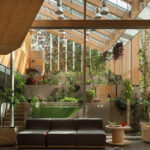
Within the realm of contemporary timber architecture lies a treasure trove of details that redefine spaces. McLeod’s work unravels the intricate details encompassing timber structures, from joints and connections to innovative cladding techniques. These details not only serve functional purposes but also contribute to the visual poetry of the architectural form.
Timber’s Architectural Embrace
The allure of timber architecture extends beyond its environmental sustainability; it embodies a design language that resonates with warmth, texture, and a connection to nature. The book meticulously dissects contemporary timber projects, unveiling how architects harness its potential to craft spaces that evoke emotional responses and celebrate the material’s inherent beauty.
Architectural Feats: Timber’s Role in Property Design
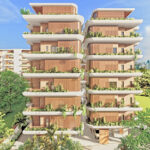
Contemporary timber architecture graces the built environment with its distinct character. Consider iconic structures like the Tamedia Office Building in Switzerland, where timber’s warmth complements modernist aesthetics. These architectural marvels showcase how timber seamlessly integrates into diverse design languages, enriching the visual landscape and offering a glimpse into a sustainable future.
Tourist Attractions and Timber Architecture
Architectural tourism thrives on destinations adorned with timber-built wonders. Tourists flock to locales like the Treetop Experience in Denmark, where timber structures harmoniously coexist with nature, offering not just visual splendor but an immersive experience. Such attractions highlight timber’s role in architectural innovation and its appeal to travelers seeking unique design narratives.
Exploring Timber Architectural Heritage
For enthusiasts, delving into the world of contemporary timber architecture unveils a wealth of design possibilities. McLeod’s insights serve as a gateway to understanding timber’s versatility and its integration into modern construction. Embracing timber details enables designers and architects to create sustainable, visually compelling spaces rooted in a rich architectural heritage.
Calls to Action
Embracing the intricacies of contemporary timber architecture opens a world of design possibilities. McLeod’s comprehensive guide invites architects, designers, and enthusiasts to explore the nuances and possibilities of timber, fostering a deeper appreciation for its role in shaping modern architectural narratives.
For tourists, exploring destinations adorned with timber architectural marvels promises not just sightseeing but an immersive journey into sustainable design and innovation. Architectural tourism offers a unique lens through which to appreciate the harmonious integration of timber within the built environment.
In summary, “The Detail in Contemporary Timber Architecture” by Virginia McLeod unravels the layers of innovation, sustainability, and aesthetic charm inherent in timber-centric design. Its exploration delves deep into the architectural language of timber, presenting a compelling narrative that resonates with both professionals and admirers of architectural beauty.