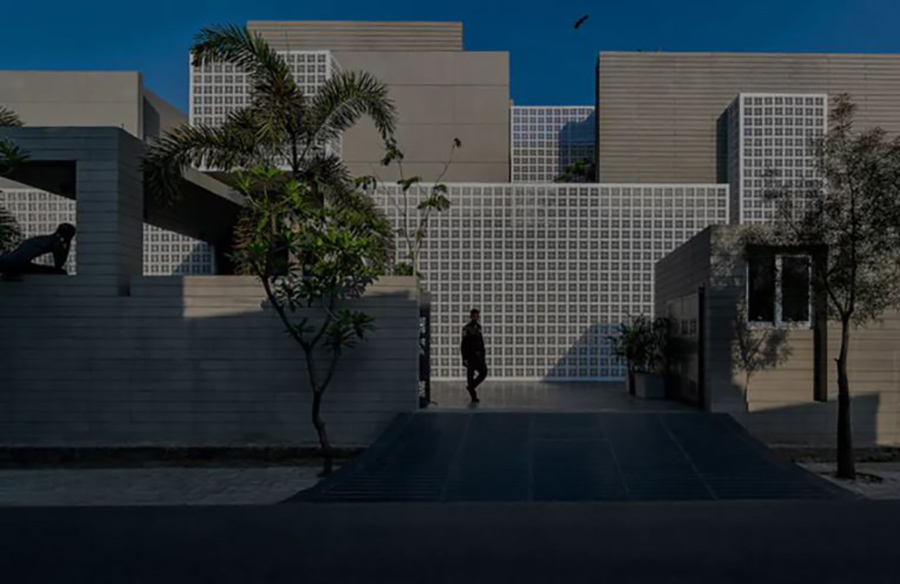
The Crucial Role of Ventilation in Hot and Humid Climate Design – Things to remember while designing in Hot & Humid climate
Designing spaces in hot and humid climates necessitates a nuanced approach that prioritizes ventilation as a cornerstone of architectural and interior design. The amalgamation of high temperatures and elevated humidity levels presents unique challenges that demand meticulous attention to ventilation strategies.
Impact of Hot and Humid Climates on Indoor Spaces
Heat and Humidity Dynamics
In regions characterized by hot and humid climates, excessive heat and moisture accumulation pose significant challenges for indoor comfort. Without adequate ventilation, spaces become susceptible to heat buildup and stagnant, moisture-laden air, leading to discomfort and potential health risks for occupants.
Mold and Mildew Concerns
The presence of high humidity levels fosters an environment conducive to mold and mildew growth. Poor ventilation exacerbates this issue, leading to structural damage and compromising indoor air quality, thereby affecting the health and well-being of inhabitants.
Importance of Effective Ventilation Strategies
Passive Ventilation Systems
Incorporating passive ventilation systems, such as cross-ventilation and stack ventilation, proves instrumental in harnessing natural airflow. These strategies capitalize on prevailing winds and thermal buoyancy to facilitate the movement of air through spaces, dissipating heat and humidity.
Building Orientation and Design
Strategic building orientation and design play pivotal roles in optimizing natural ventilation. Design elements like open courtyards, verandas, and atriums facilitate air movement, promoting cooling and improving indoor air quality.
Ventilation Enhancements
Supplementing natural ventilation with mechanical systems, such as fans and exhaust systems, augments airflow control. This approach provides a reliable means to regulate indoor temperatures and mitigate humidity levels, ensuring comfort and well-being.
Design Considerations for Ventilation in Hot and Humid Climates
Materials and Finishes Selection
Choosing appropriate materials and finishes that are conducive to ventilation is essential. Porous materials and breathable finishes aid in moisture absorption and release, contributing to a more comfortable indoor environment.
Shading and Glazing Solutions
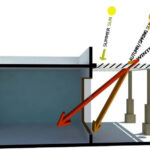
Strategic use of shading devices, like overhangs and louvers, coupled with appropriate glazing solutions, helps mitigate solar heat gain. This approach prevents excessive heat buildup within interiors, reducing reliance on mechanical cooling systems.
Landscaping and Greenery
Integrating green spaces and vegetation around buildings contributes to natural cooling. Trees and foliage provide shade and aid in temperature moderation, further enhancing the effectiveness of ventilation strategies.
Ensuring Comfort and Sustainability
Thermal Comfort Optimization
Prioritizing thermal comfort through effective ventilation not only enhances occupant well-being but also reduces reliance on energy-intensive cooling systems. This approach aligns with sustainability goals by minimizing energy consumption and carbon footprint.
Health and Well-being Benefits
Proper ventilation not only regulates indoor temperatures but also safeguards against indoor air pollutants and mold-related health issues. Enhanced indoor air quality fosters a healthier and more productive environment for occupants.
Call to Action – Optimizing Ventilation for Comfortable Living
Given the profound impact of ventilation on indoor comfort and environmental sustainability, architects, urban designers, and interior designers must prioritize effective ventilation strategies when conceptualizing and executing projects in hot and humid climates.
Embrace Ventilation Strategies Today
For projects in hot and humid climates, embrace innovative ventilation solutions. Collaborate with experts to optimize airflow and create spaces that prioritize comfort, health, and sustainability.
This comprehensive exploration underscores the pivotal role of ventilation in hot and humid climates, emphasizing its significance in ensuring occupant comfort, health, and sustainable design practices. Ventilation strategies stand as integral components of architectural and interior design solutions, offering avenues to create habitable and environmentally conscious spaces.