The Significance of Windows in Hot and Humid Climate Design – Things to remember while designing in Hot & Humid climate
Windows play a pivotal role in architectural design, especially in hot and humid climates where temperature regulation and ventilation are paramount. Understanding the importance of windows in these contexts is crucial for creating habitable and comfortable spaces.
Managing Heat and Humidity Through Windows
Heat Gain Mitigation
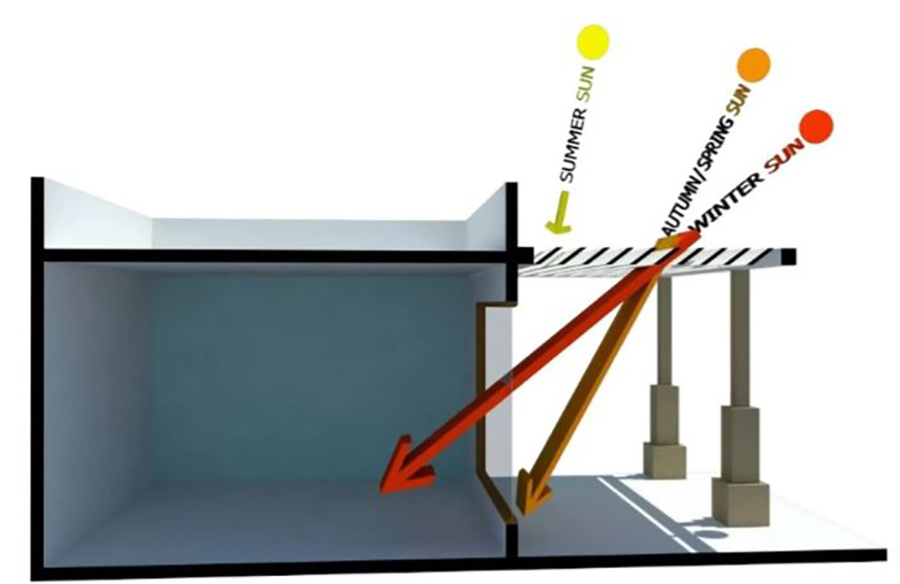
Strategic window placement and design significantly impact a building’s heat gain. Utilizing techniques such as shading devices, overhangs, and external louvers can reduce direct sun exposure, minimizing heat transfer into indoor spaces.
Ventilation Enhancement
Windows facilitate natural ventilation by allowing airflow through spaces. In hot and humid climates, well-positioned windows enable cross-ventilation, promoting the movement of air and expelling heat and moisture, contributing to a cooler interior environment.
Design Considerations for Windows in Hot and Humid Climates
Window Orientation and Size
Optimal window orientation helps control solar heat gain. Larger windows on shaded sides, coupled with smaller openings on sun-exposed facades, aid in balancing natural light and heat ingress.
Shading Solutions
Incorporating effective shading solutions like external blinds, awnings, or vegetation near windows assists in reducing direct sunlight penetration. This approach minimizes radiant heat and glare, enhancing indoor comfort.
Ventilation Strategies
Strategic placement of operable windows promotes airflow. Utilizing operable louvers or casement windows facilitates adjustable ventilation, allowing occupants to regulate airflow based on comfort needs.
Window Design for Optimal Performance
Material Selection
Choosing appropriate window materials impacts thermal performance. Low-emissivity glass or insulated window assemblies with shading elements enhance thermal resistance, reducing heat transfer while allowing natural light.
Maintenance and Upkeep
Ensuring proper maintenance of windows is crucial for their optimal functionality. Regular cleaning and upkeep of seals and mechanisms prevent air leaks and maintain the efficiency of windows in regulating indoor conditions.
Achieving Comfort and Sustainability Through Window Design
Indoor Comfort Optimization
Strategically designed windows contribute to indoor comfort by moderating temperature and humidity levels. Comfortable indoor environments enhance occupant well-being and productivity.
Energy Efficiency
Efficient window design reduces reliance on mechanical cooling systems, leading to energy savings. This approach aligns with sustainability goals by minimizing energy consumption and environmental impact.
Embracing Effective Window Design
Collaboration for Effective Design
Architects, urban designers, and interior designers should collaborate to integrate effective window design strategies in projects. Prioritizing window design enhances the livability and sustainability of spaces in hot and humid climates.